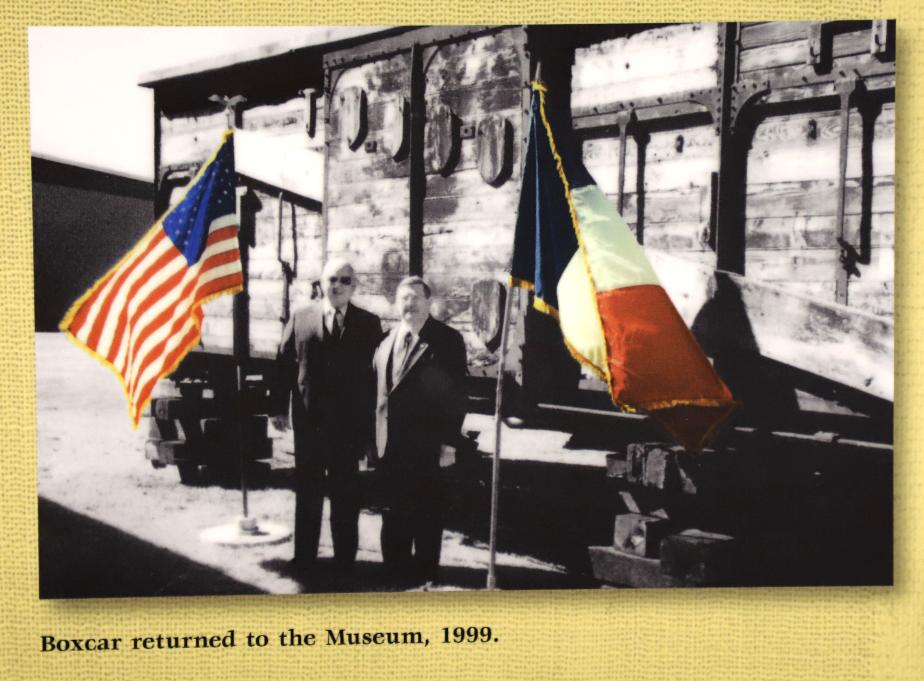
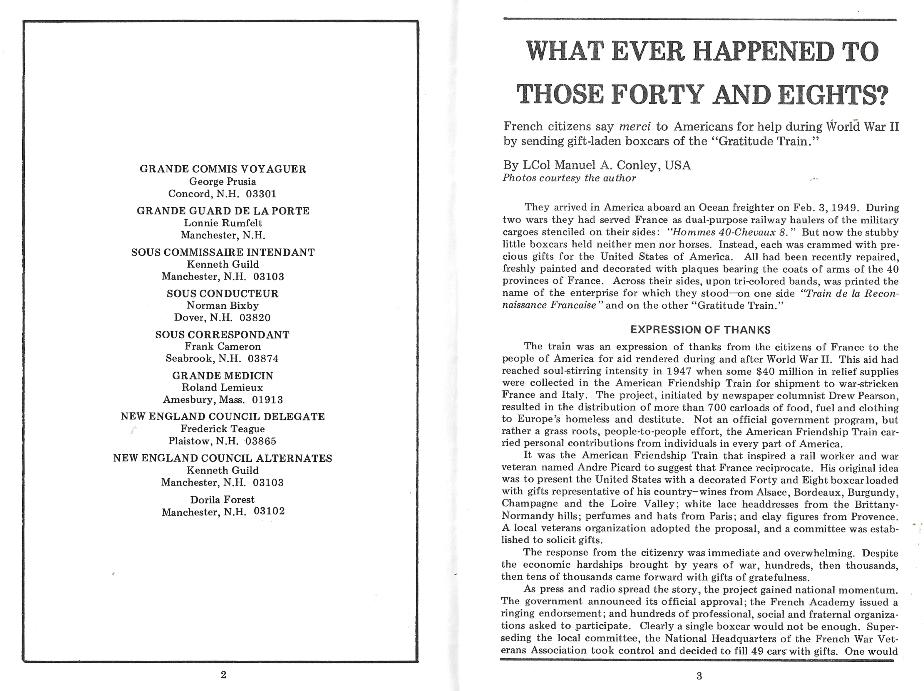
WHAT EVER HAPPENED TO THOSE FORTY AND EIGHTS?
French citizens say merci to Americans for help during World War II by sending gift-laden boxcars of the "Gratitude Train."
By Lt. Col. Manuel A . Conley
Lt. Col. (Ret) Manuel A. Conley, USA published his research on the Merci Train boxcars in the January 1983 edition of The Retired Officer Magazine.
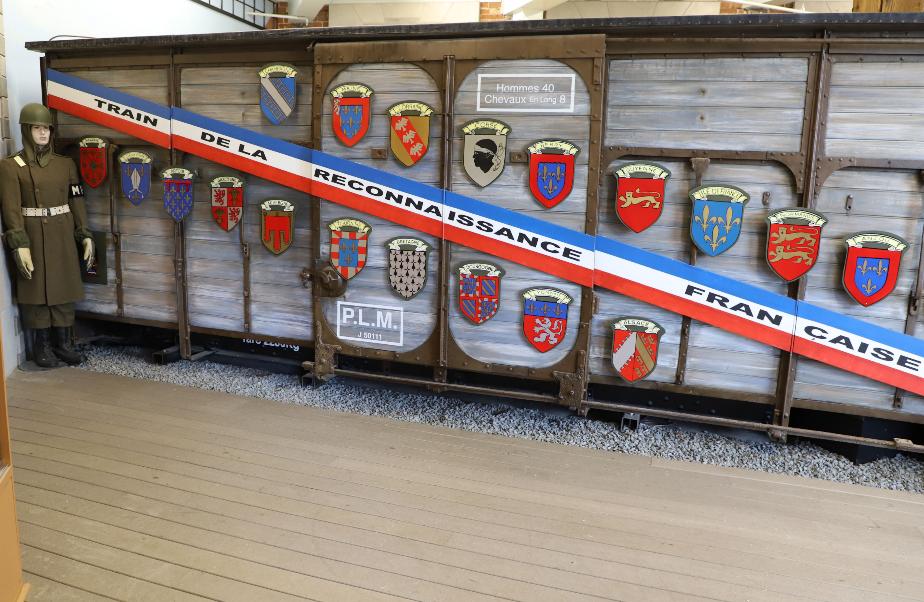
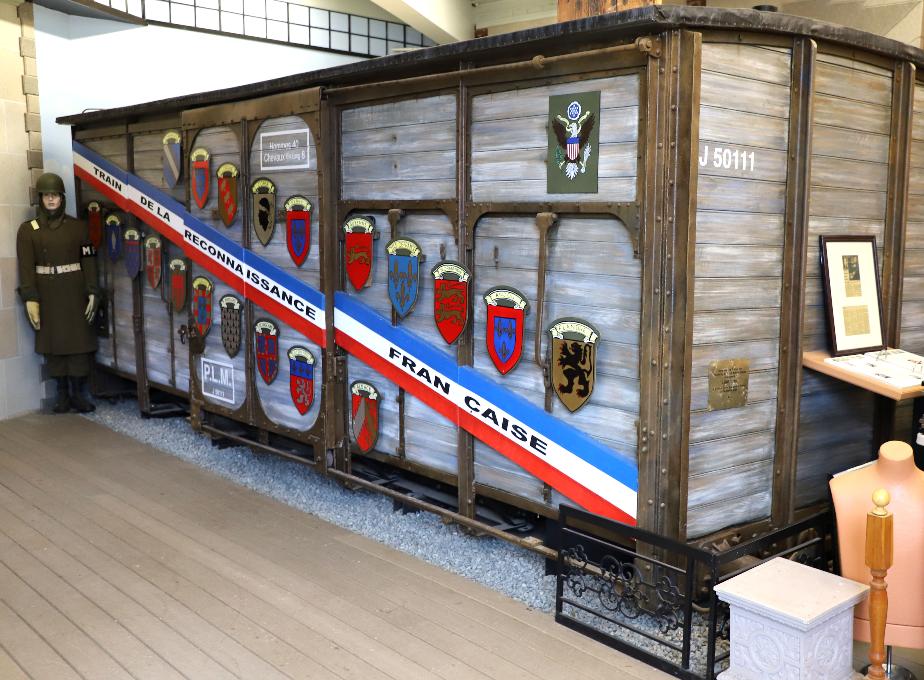
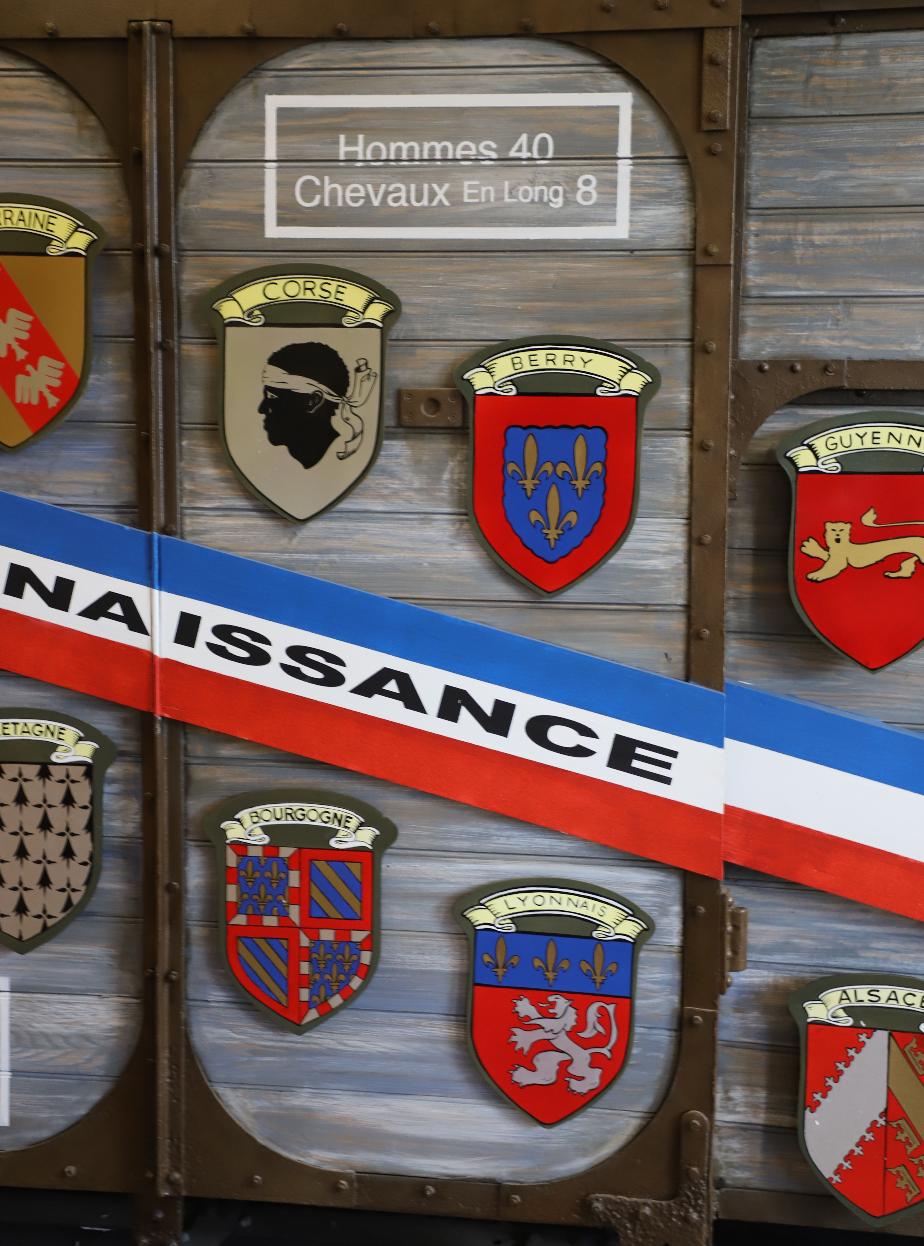
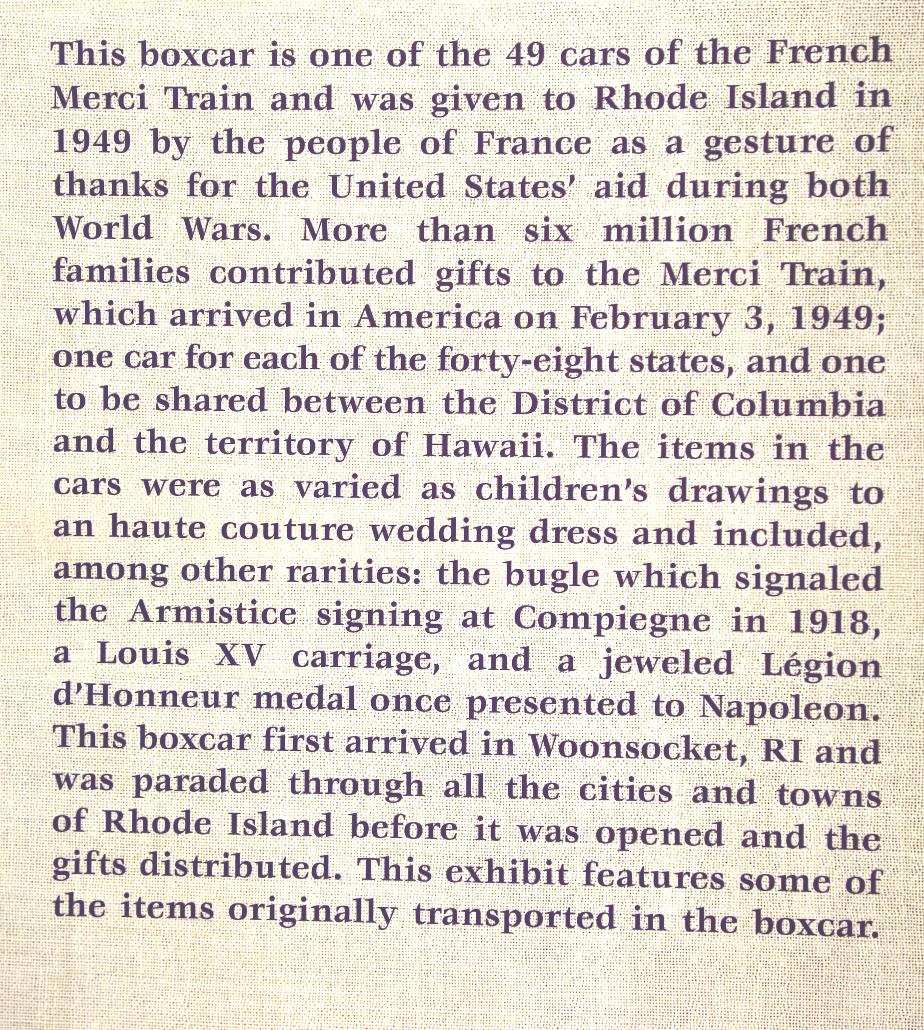
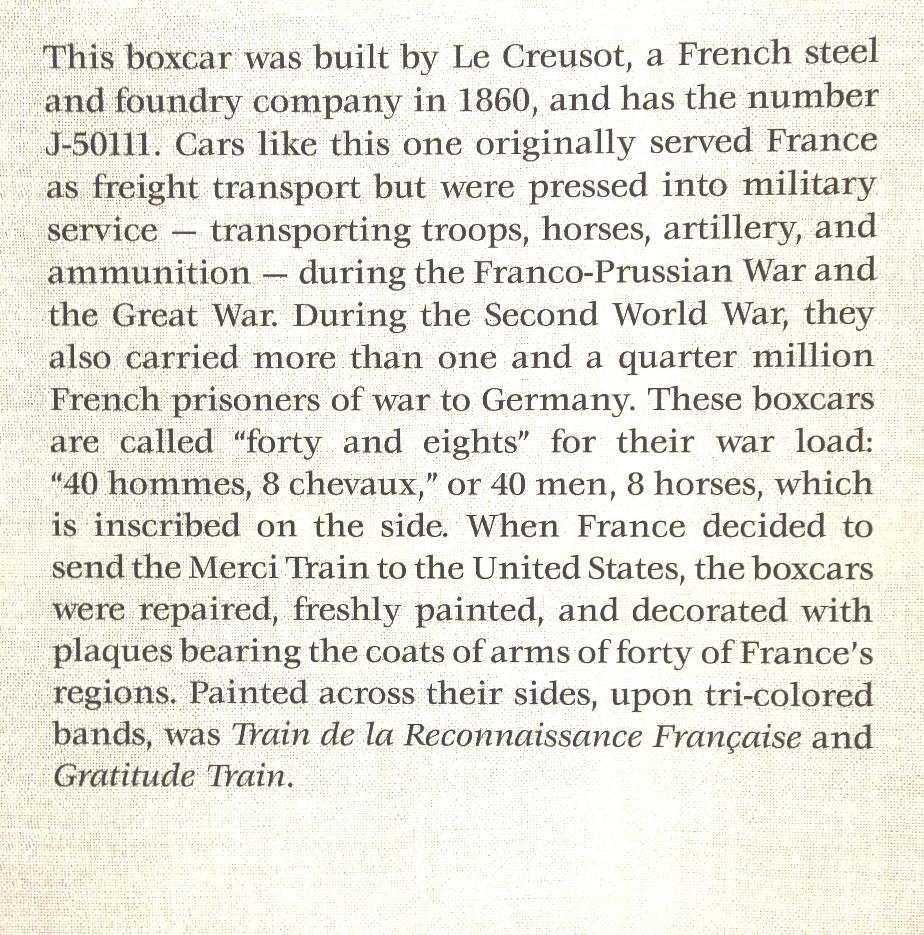
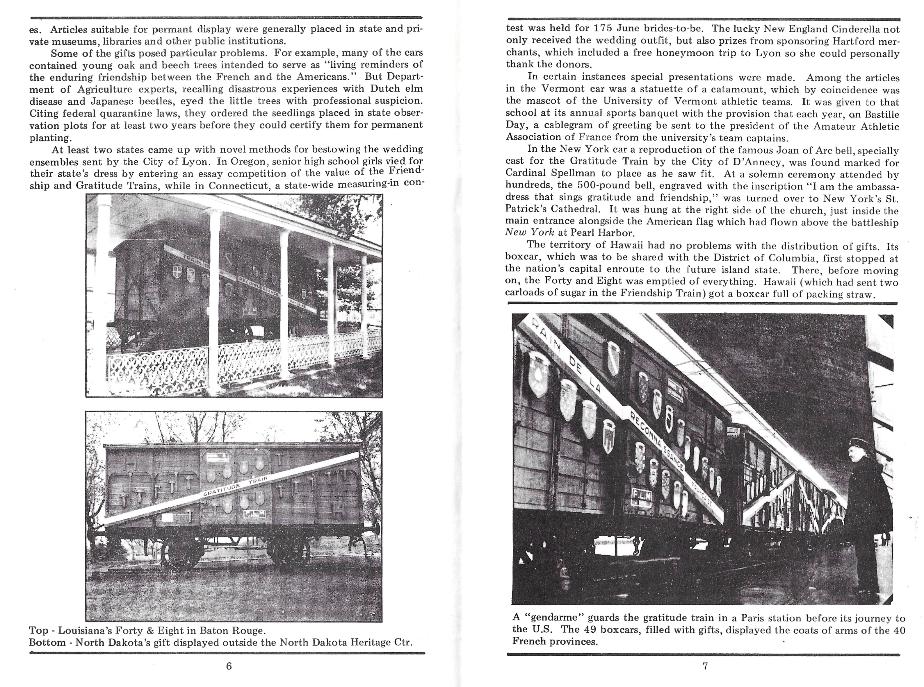
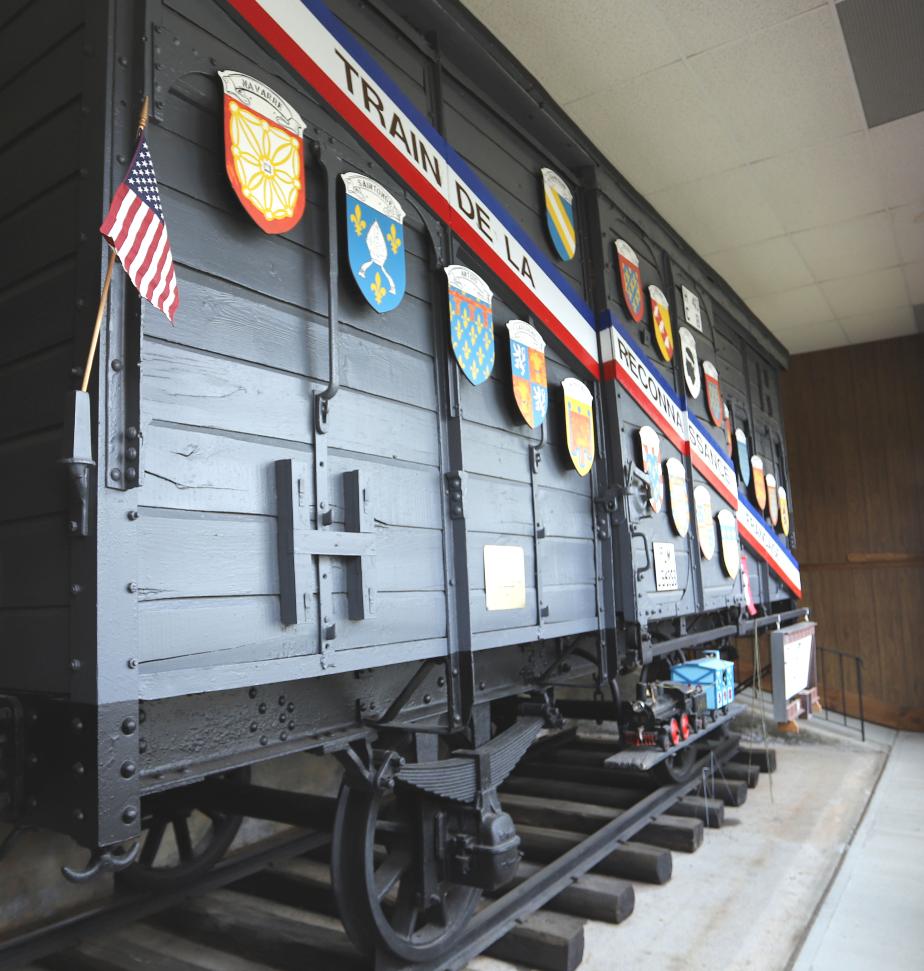
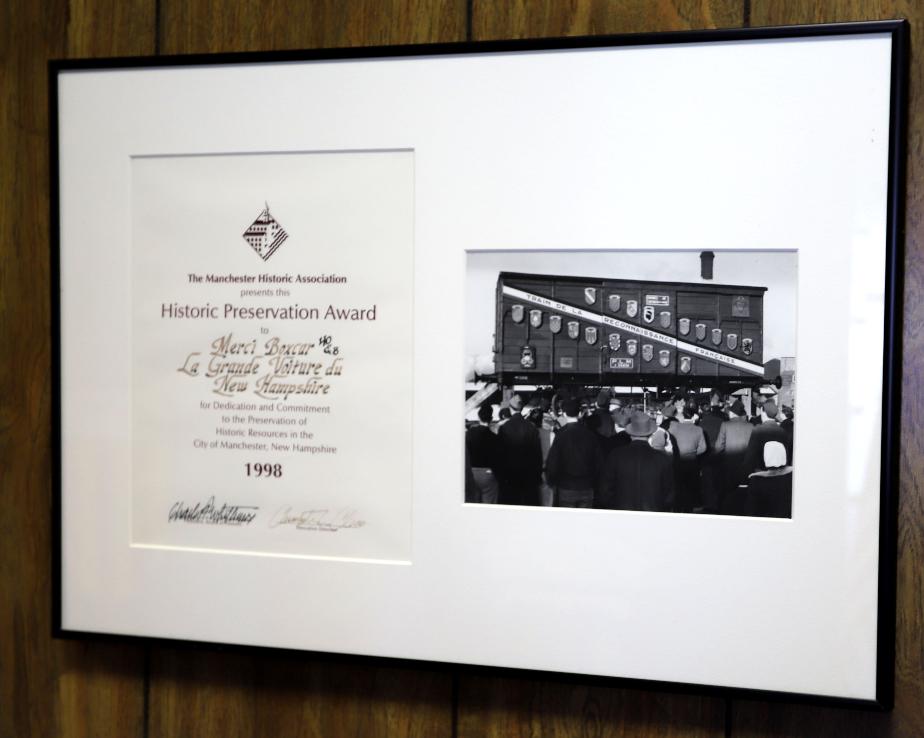
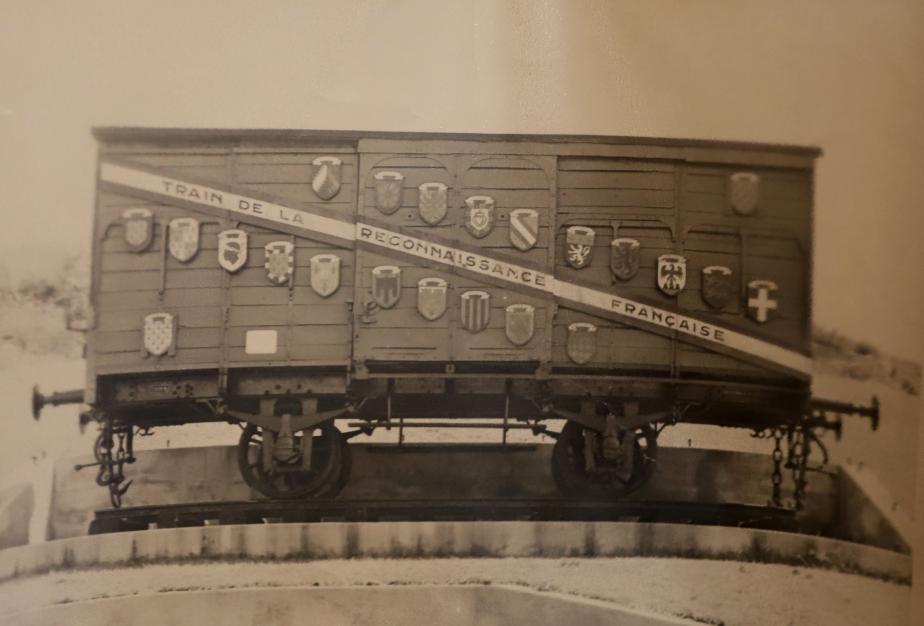
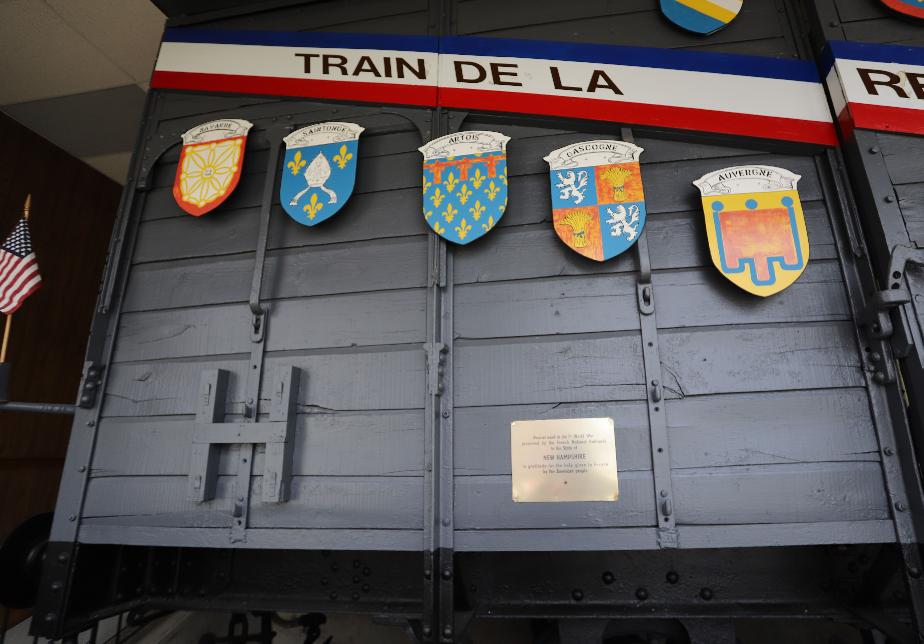
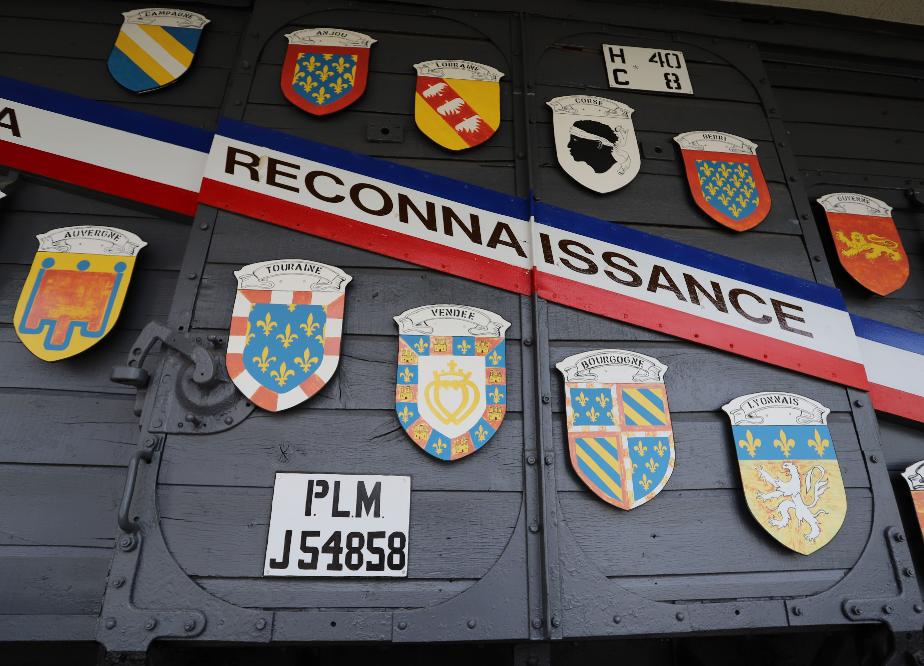
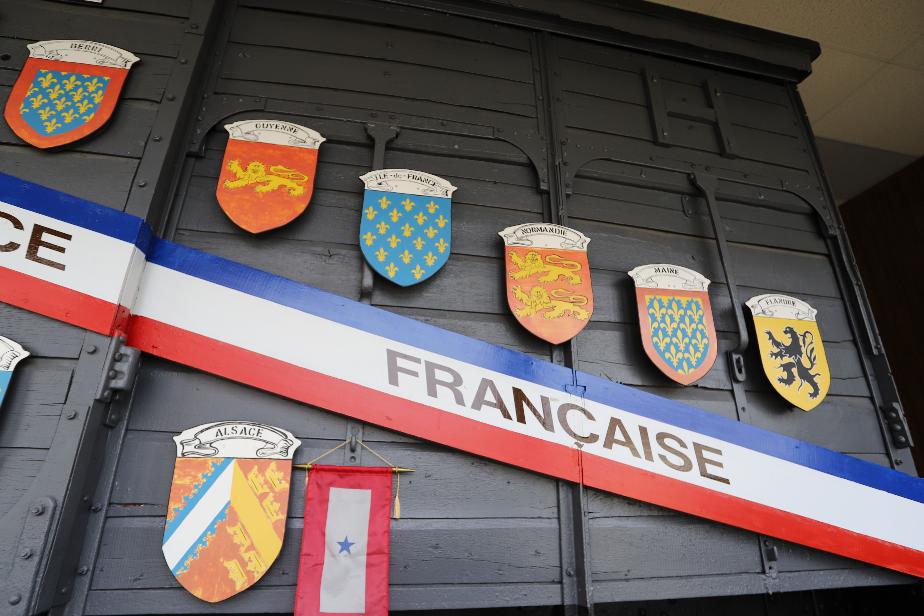
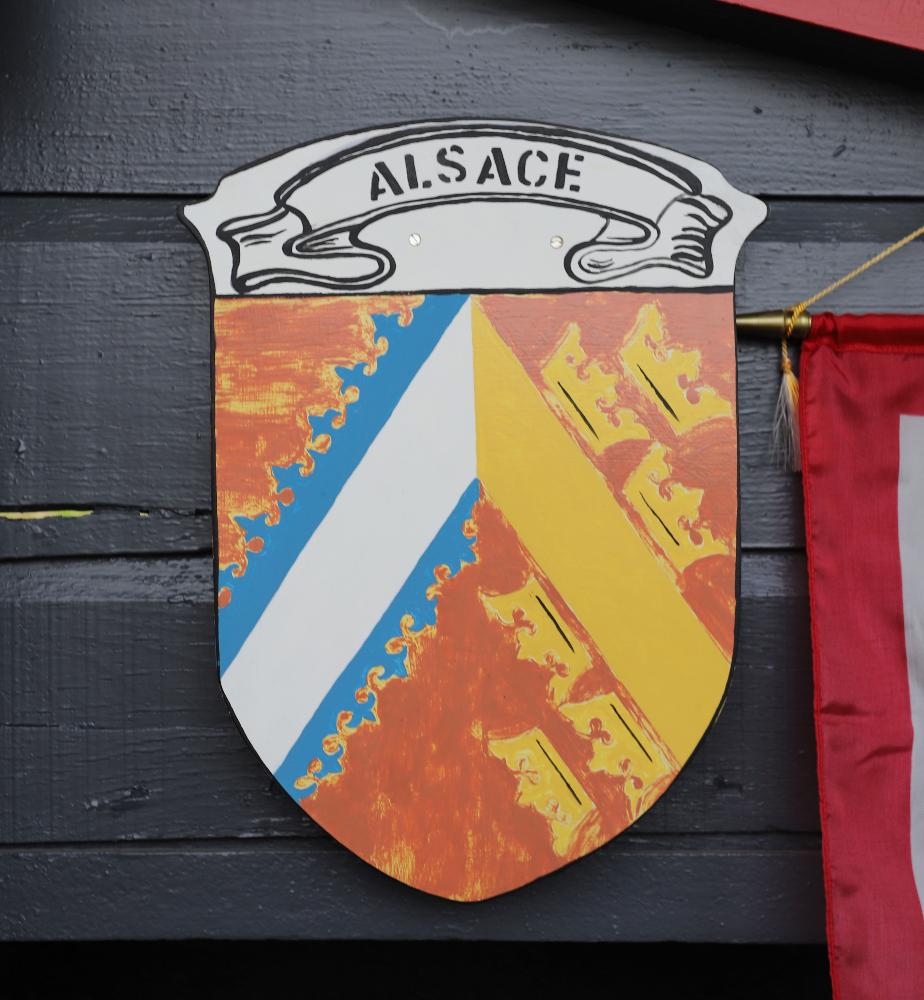
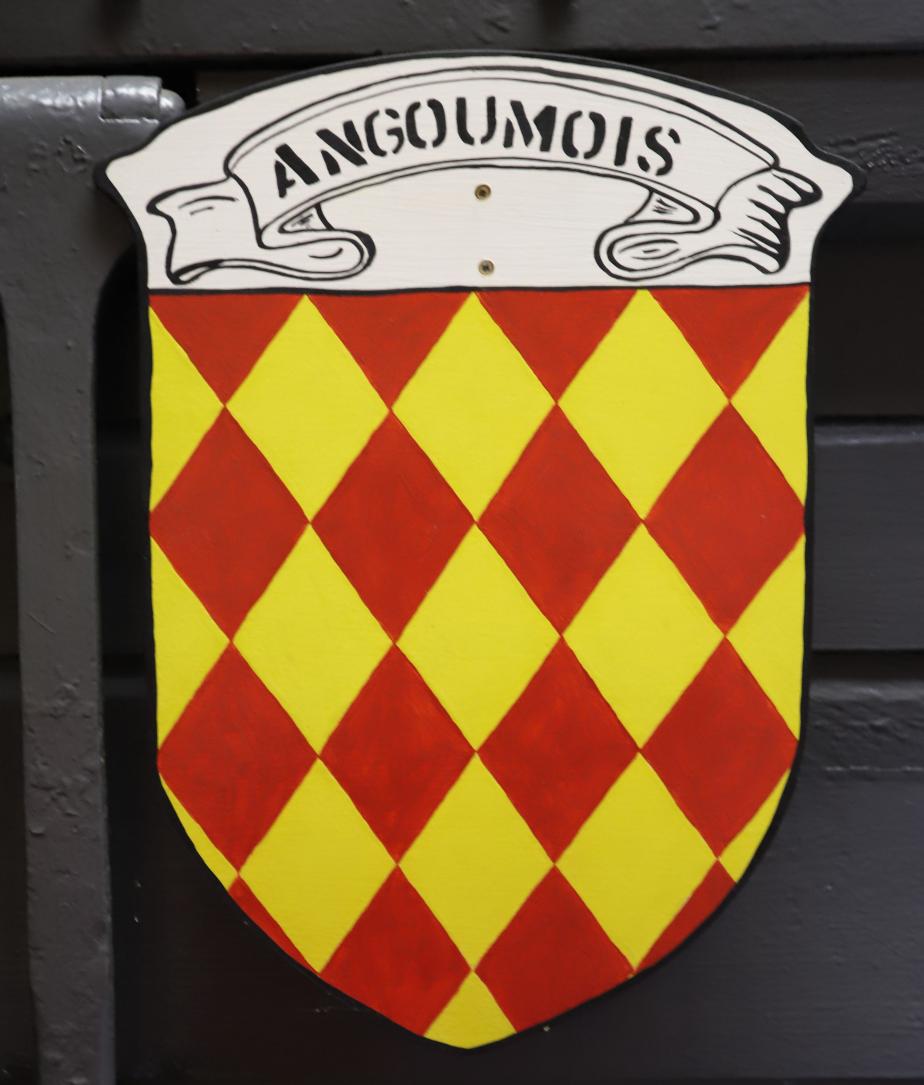
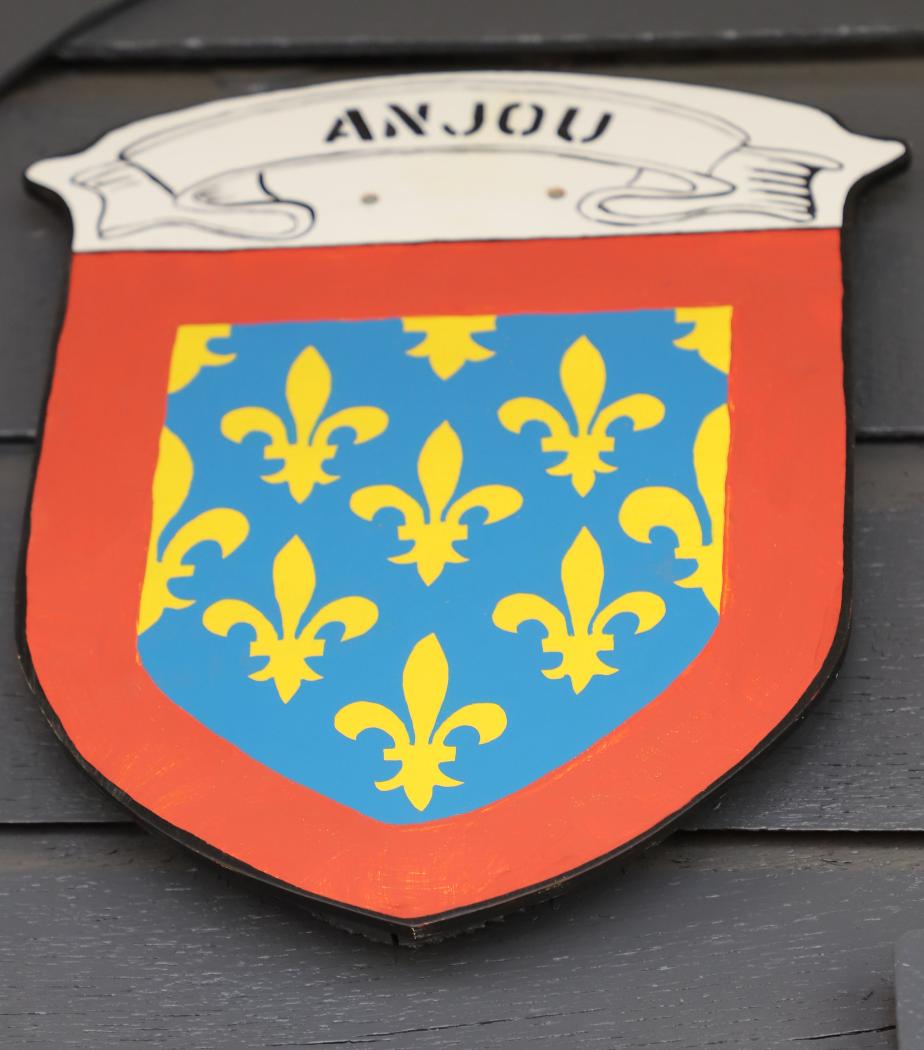
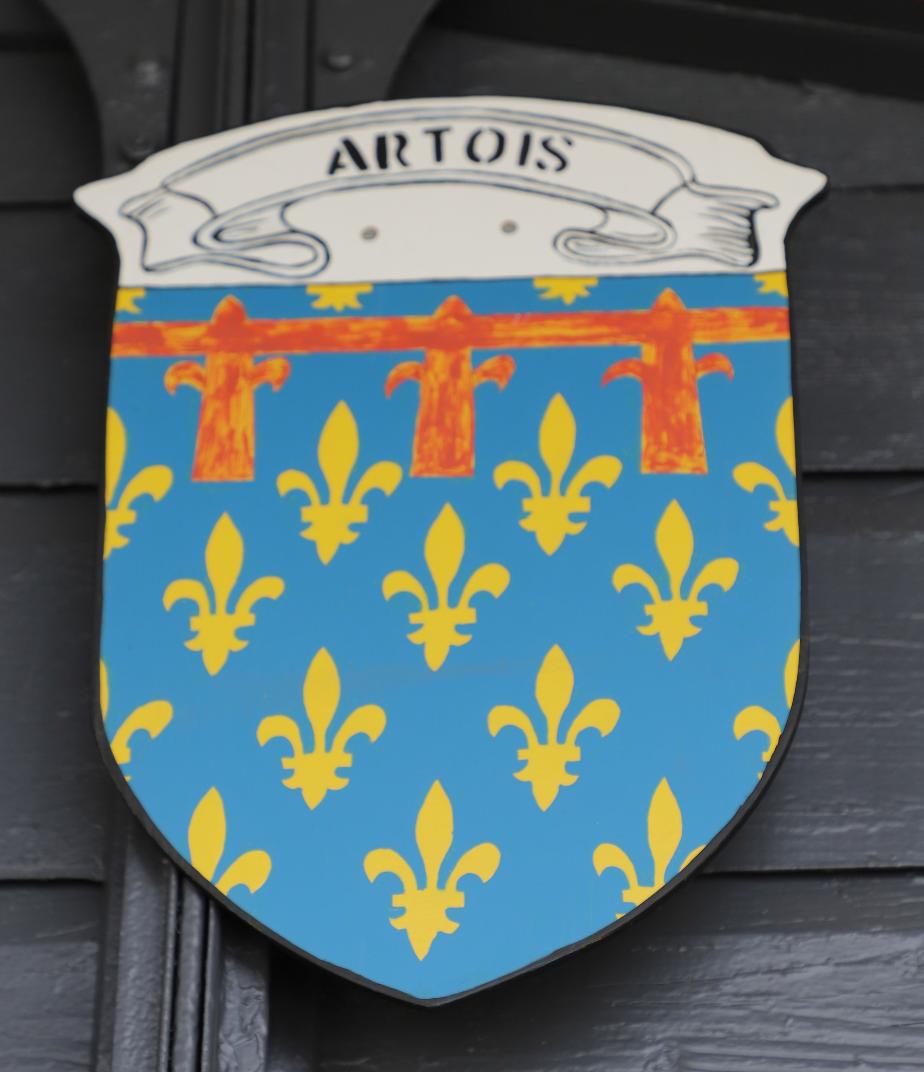
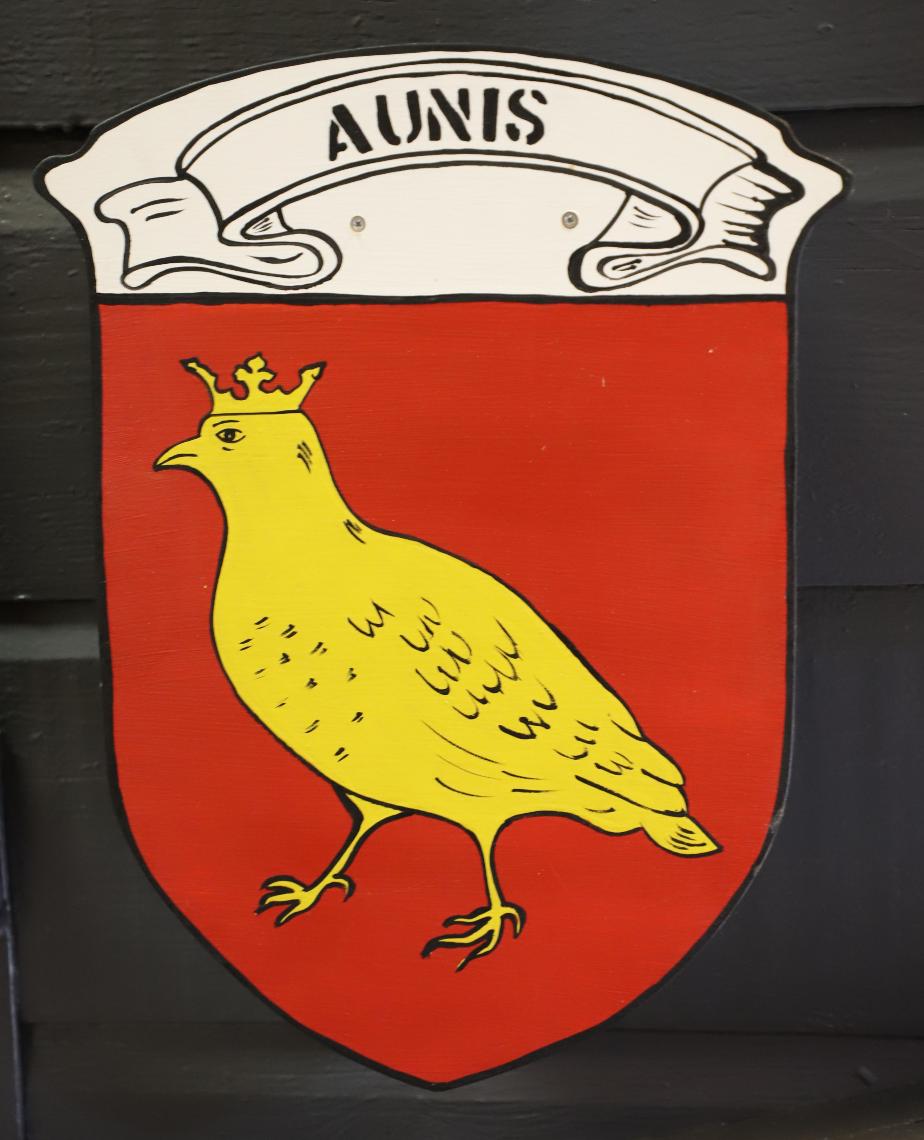
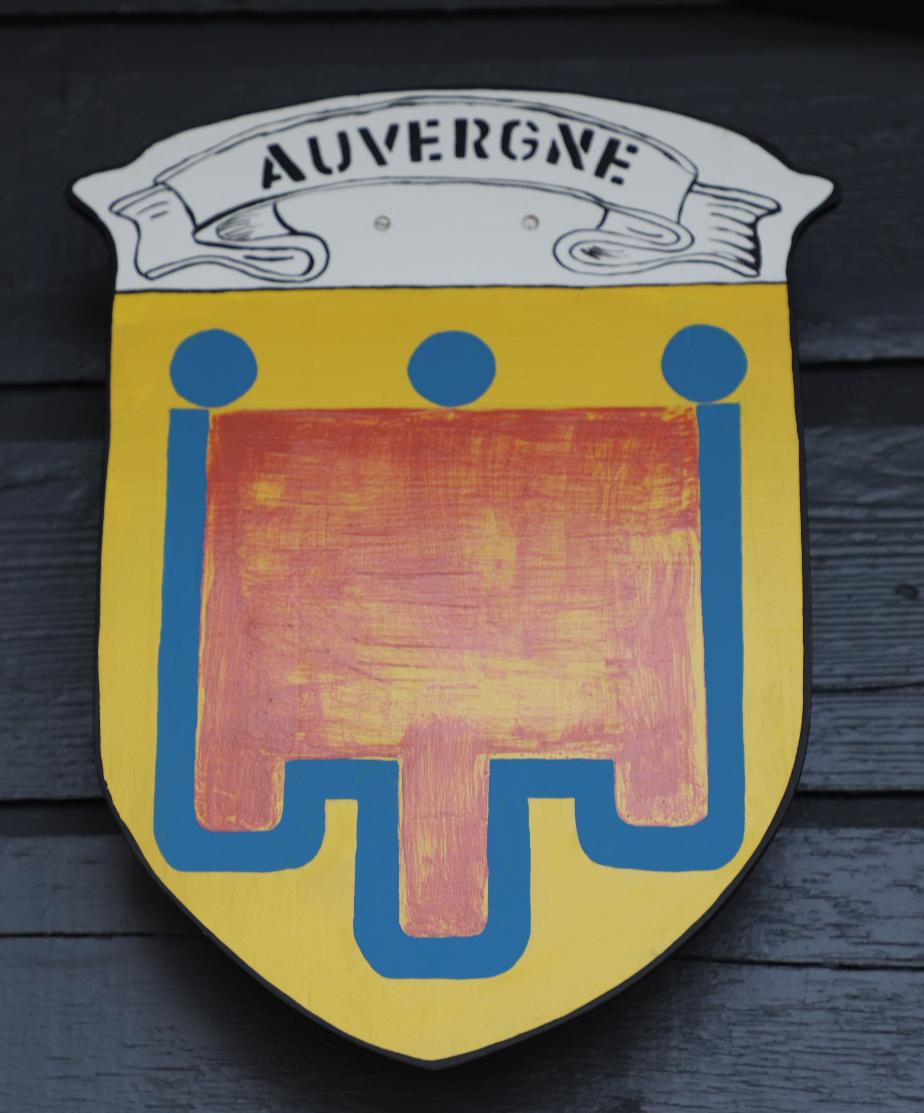
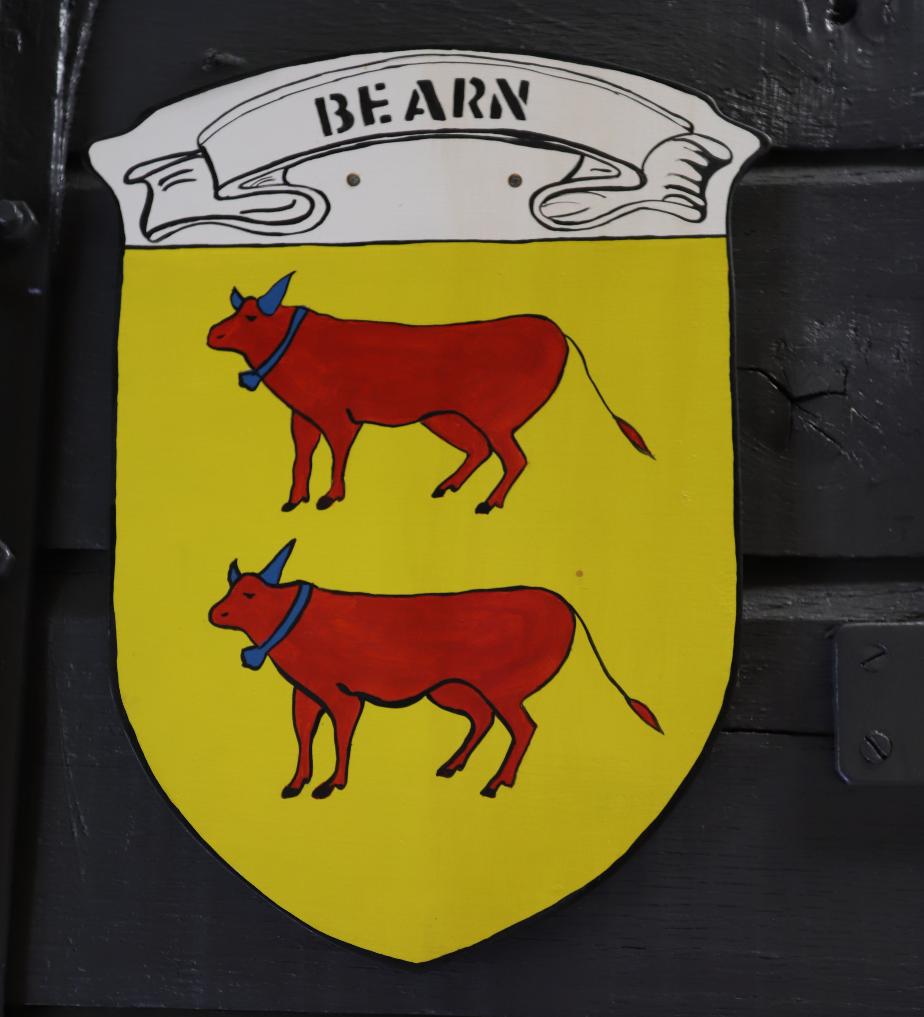
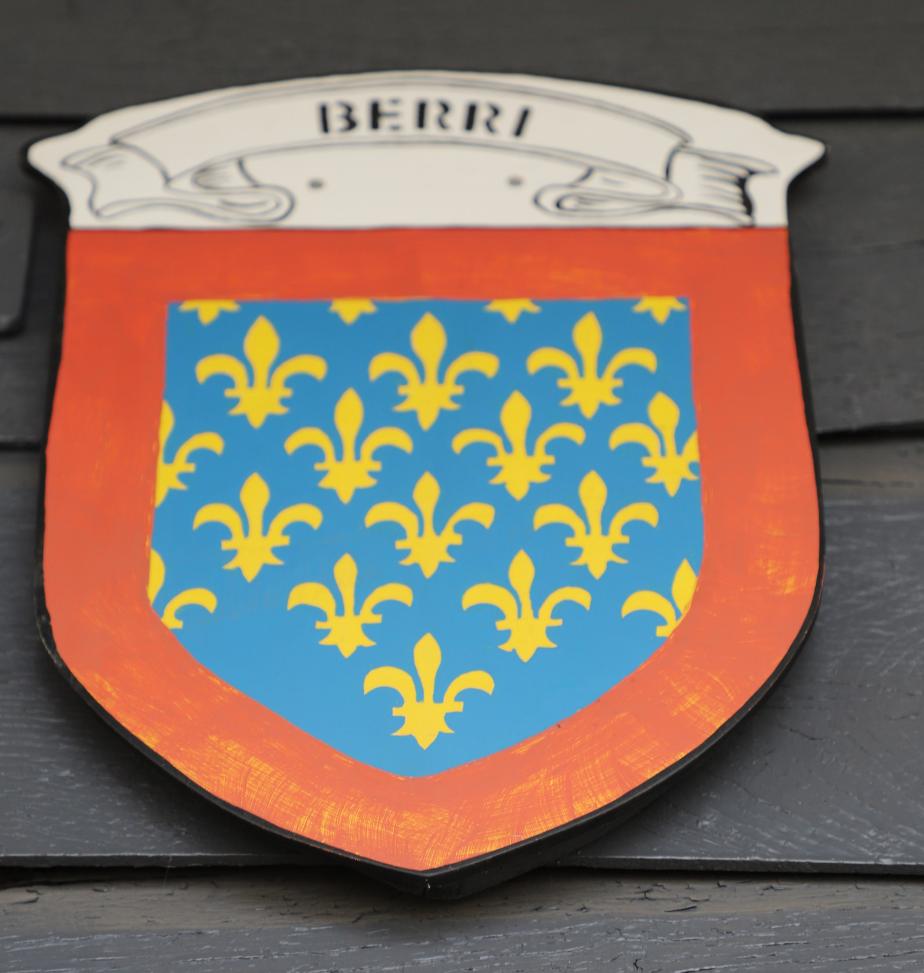
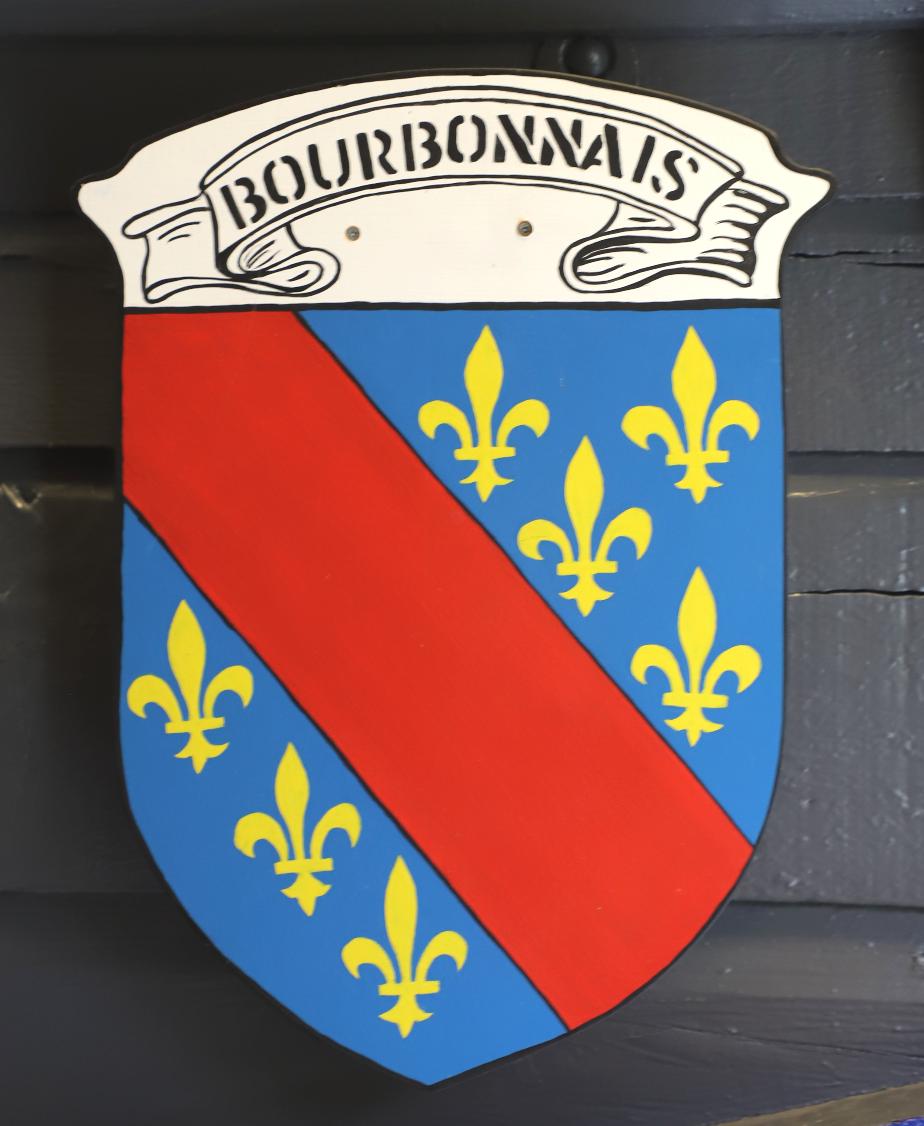
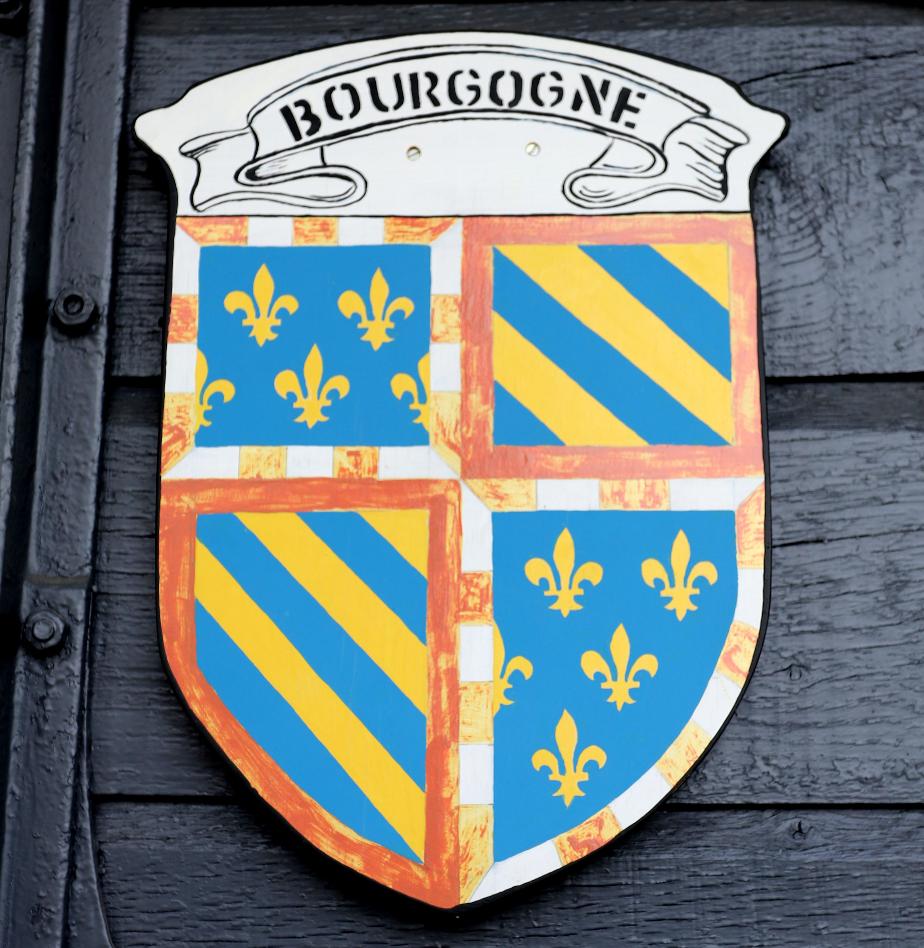
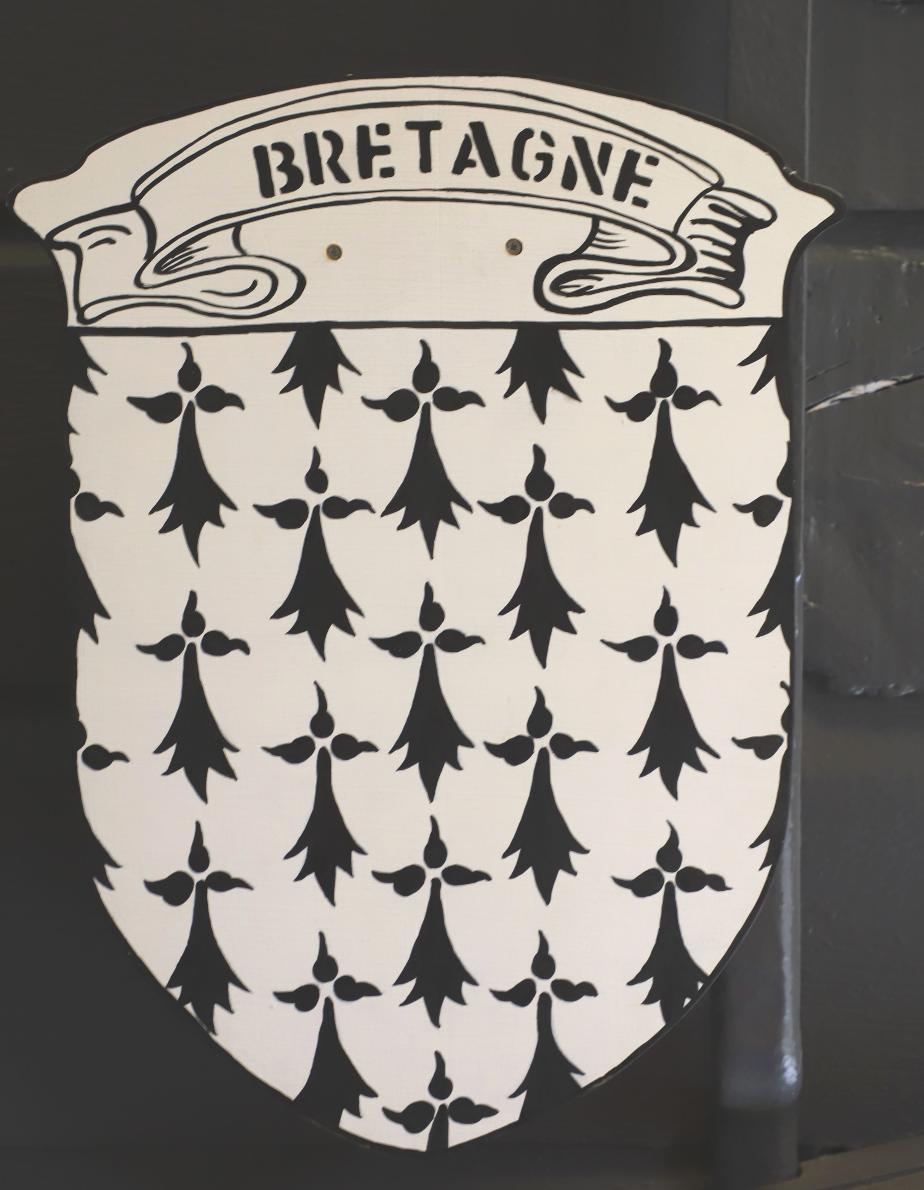
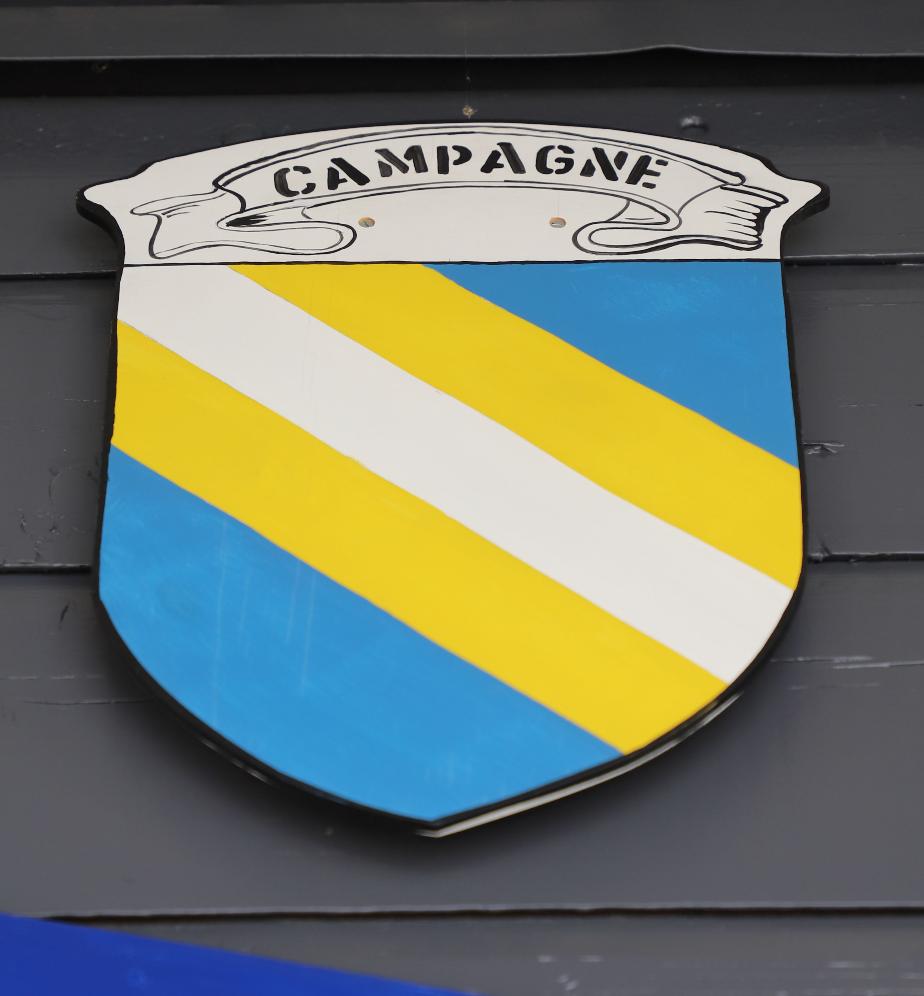
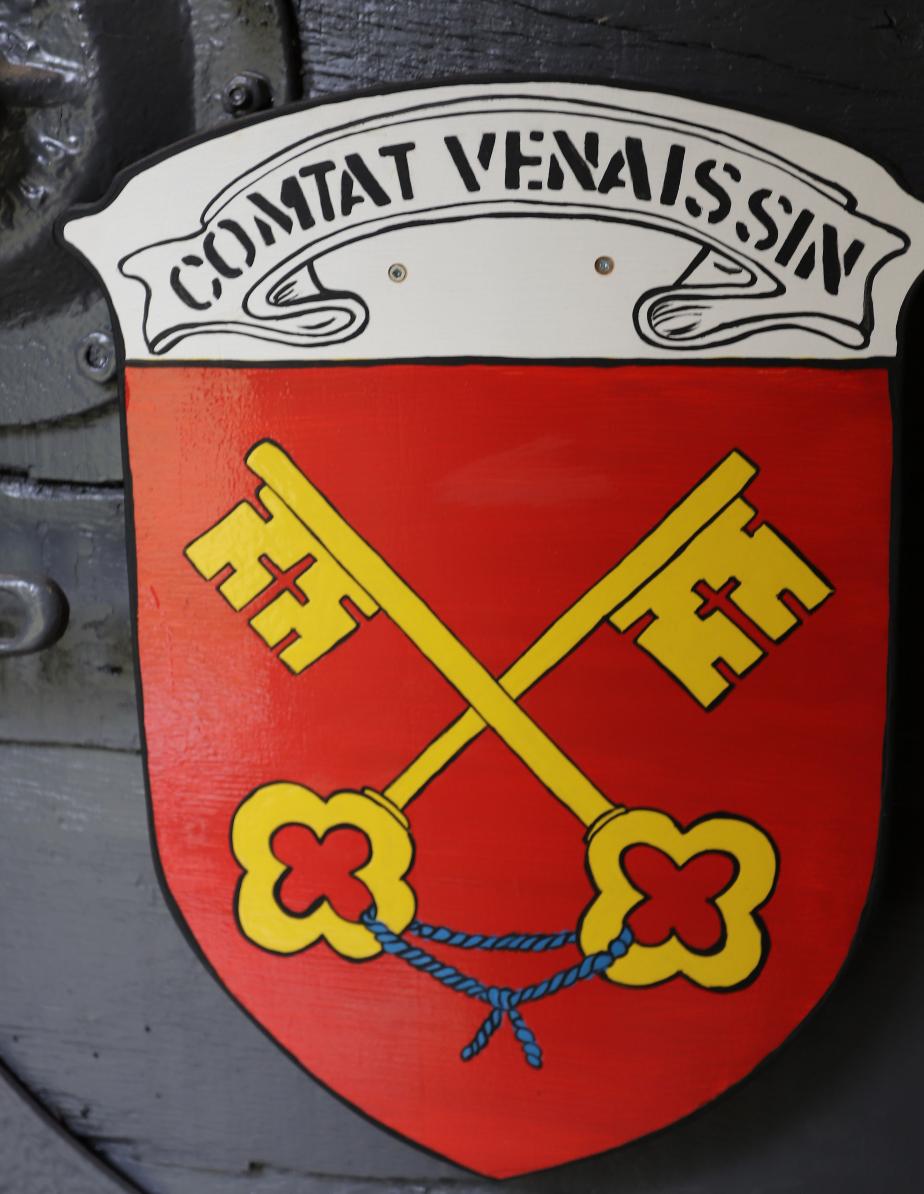
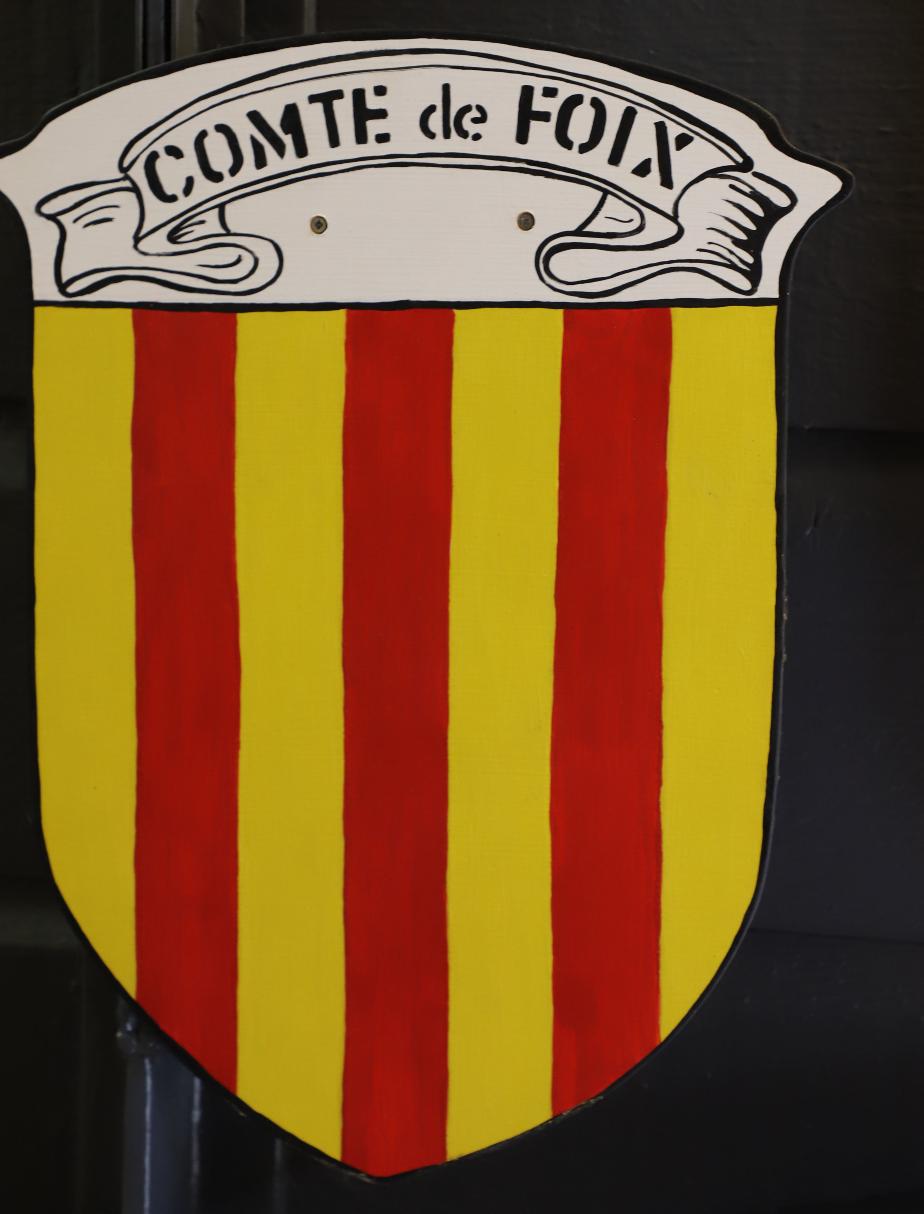
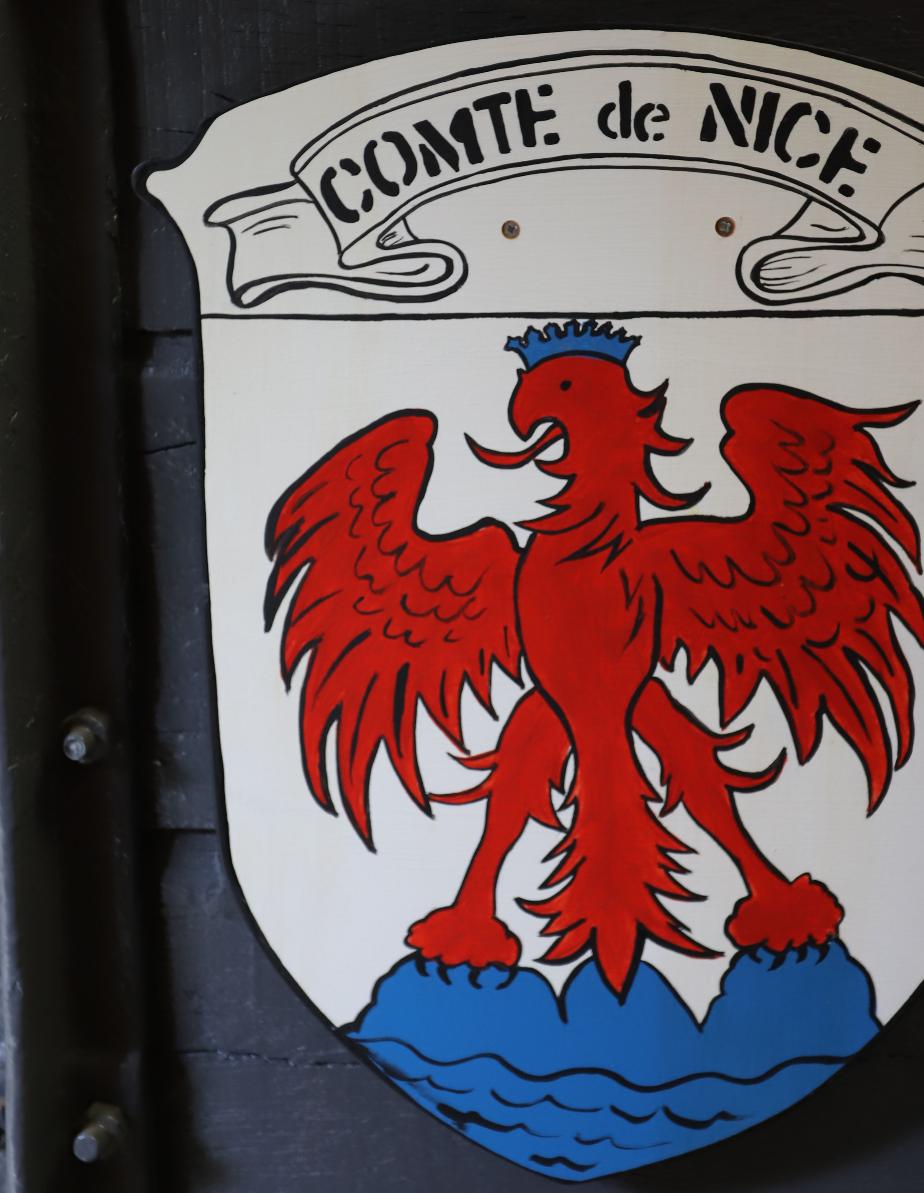
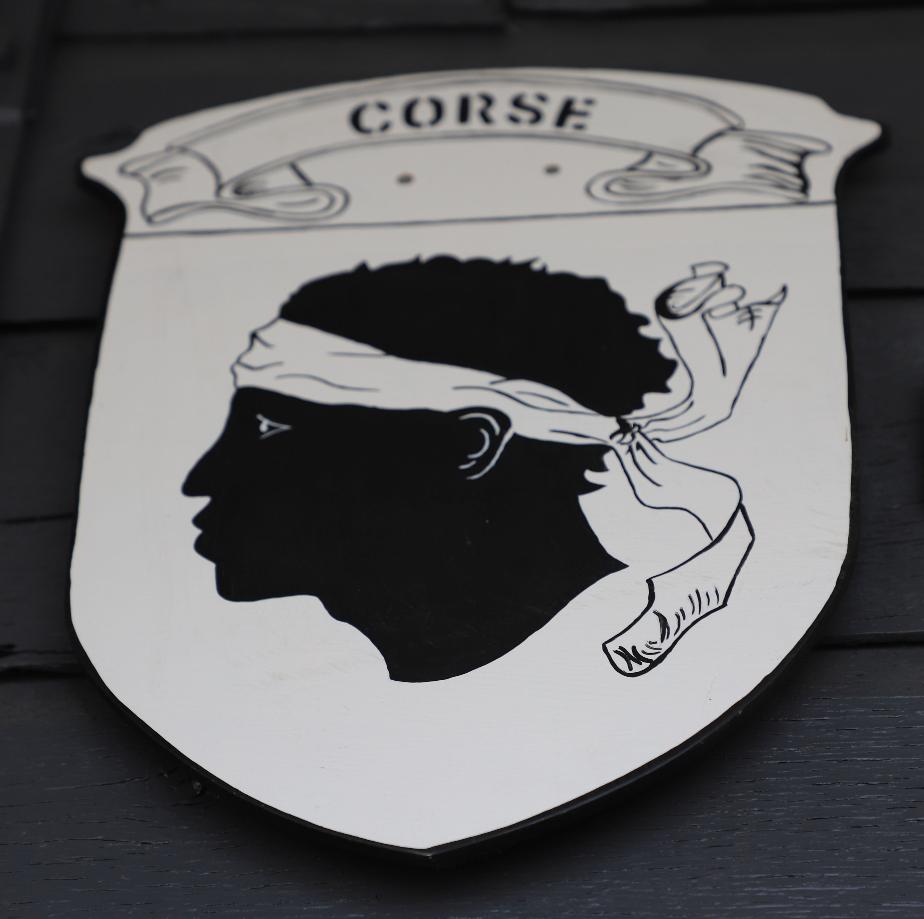
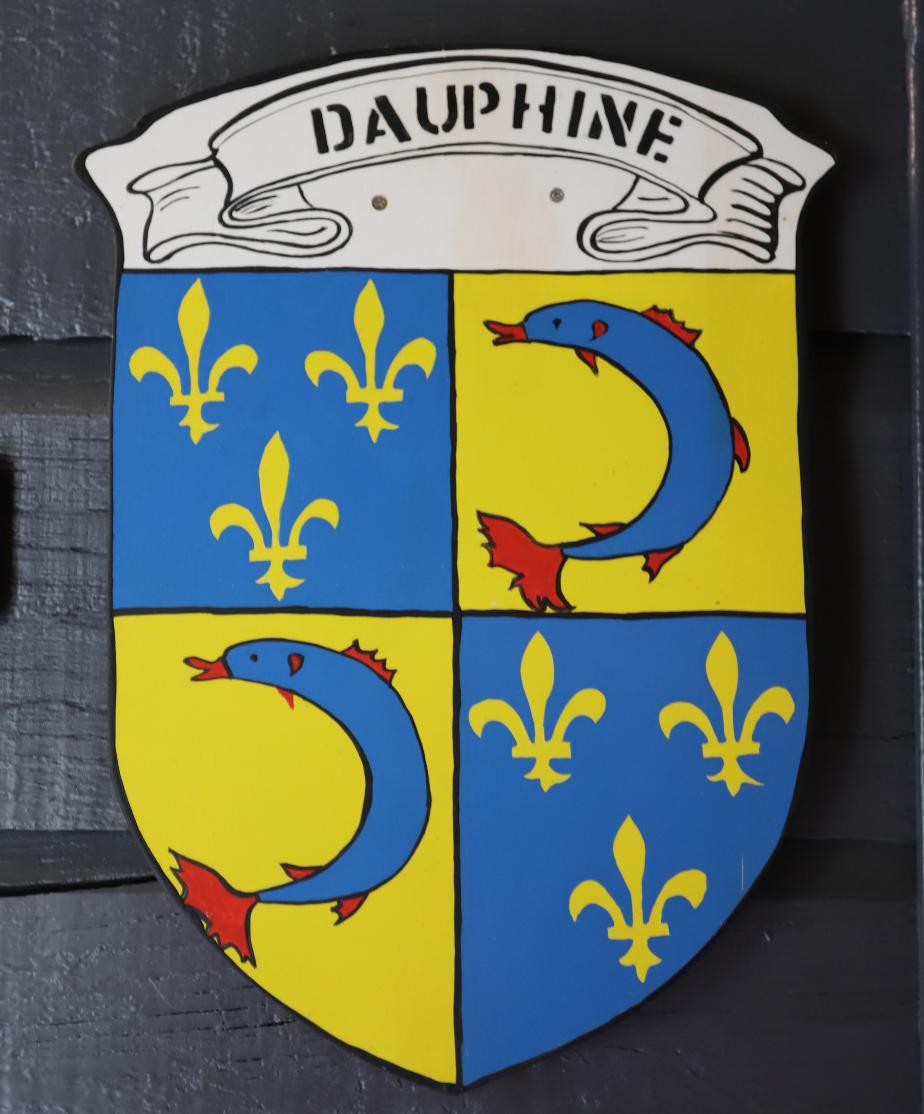
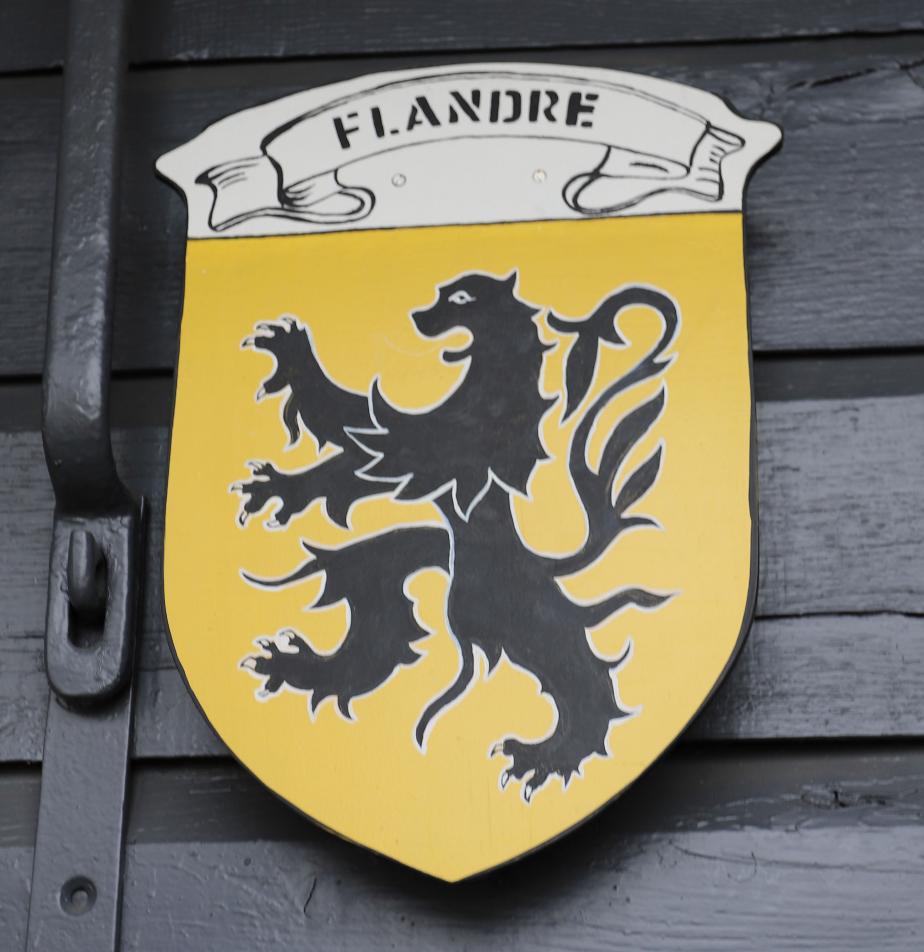
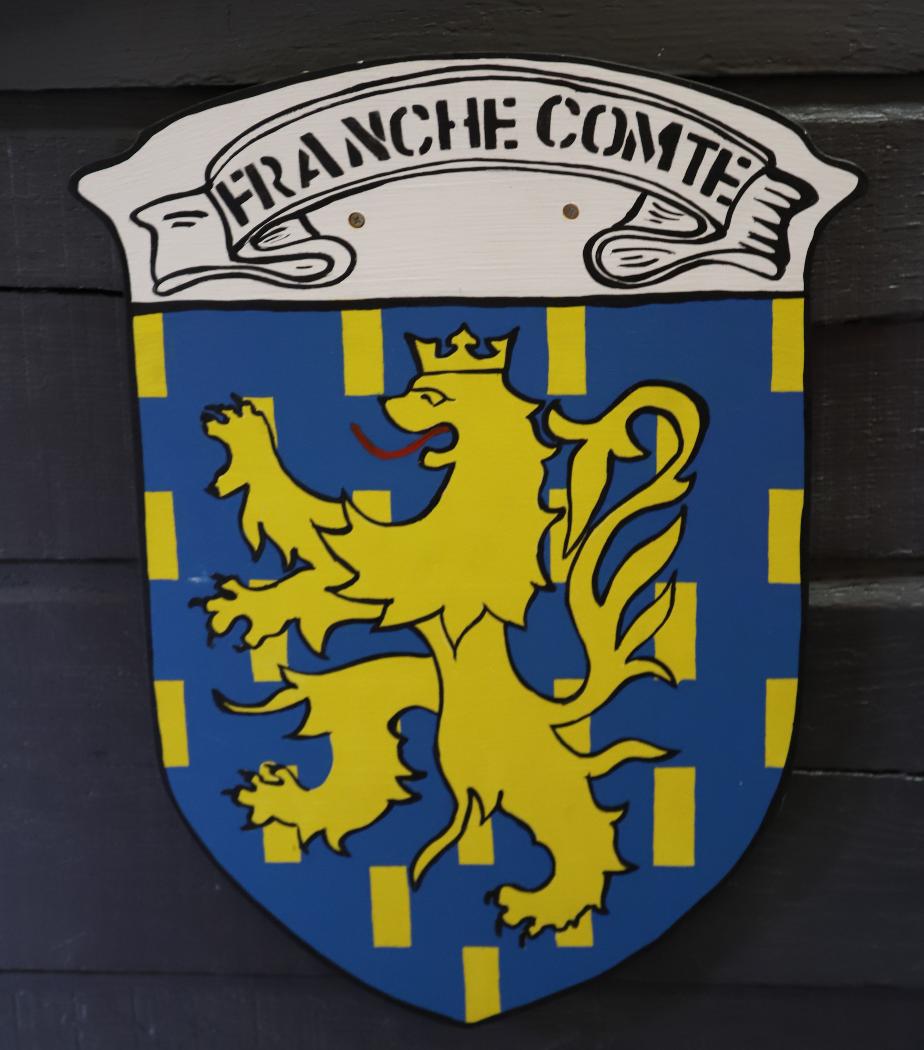
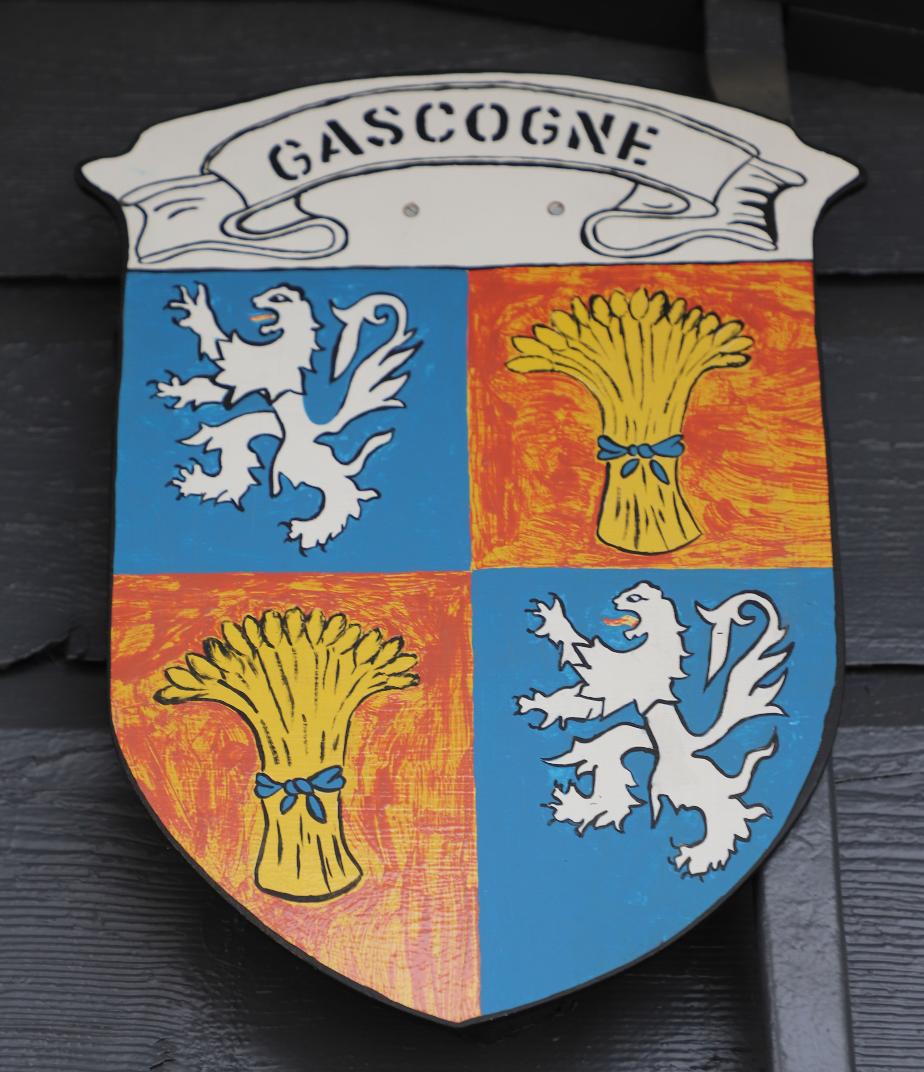
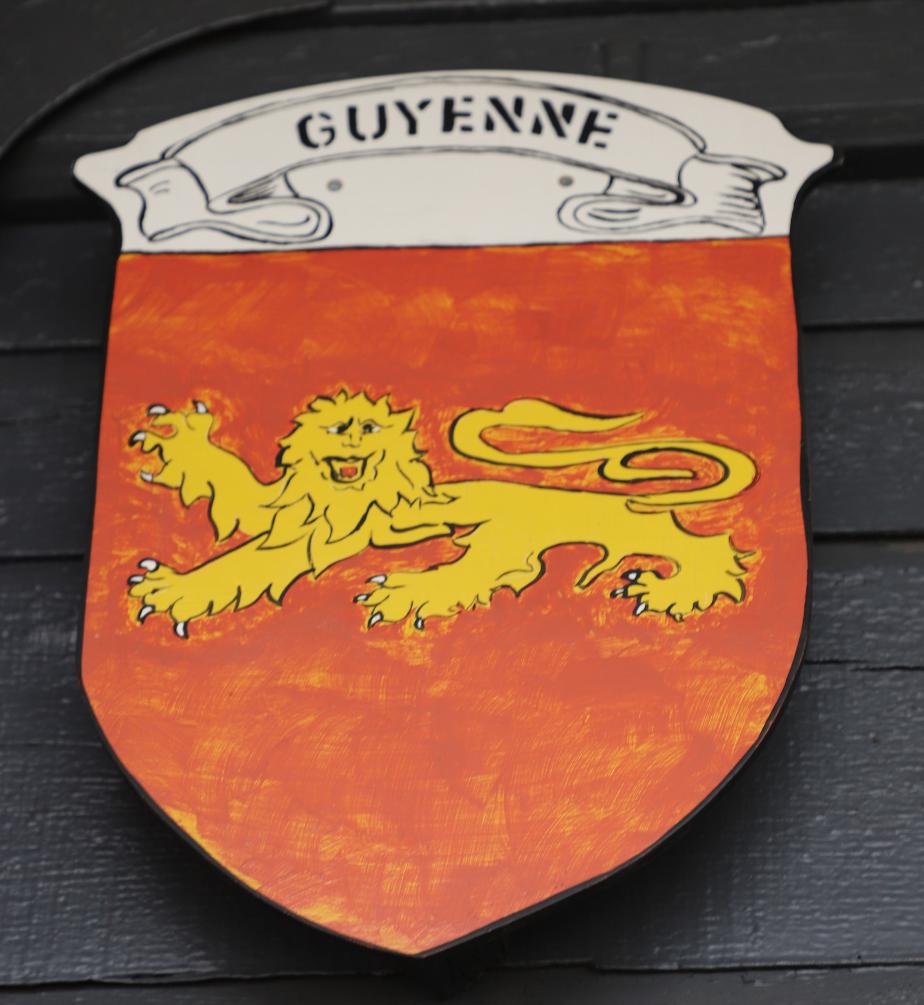
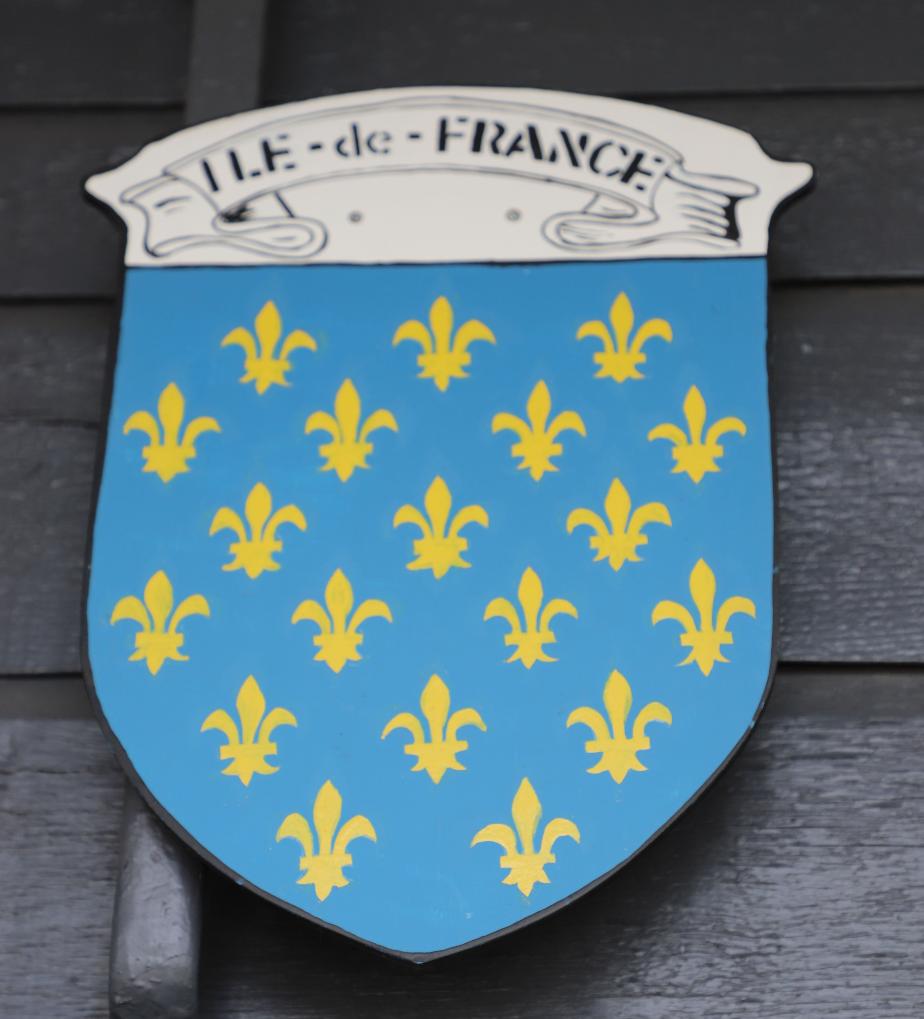
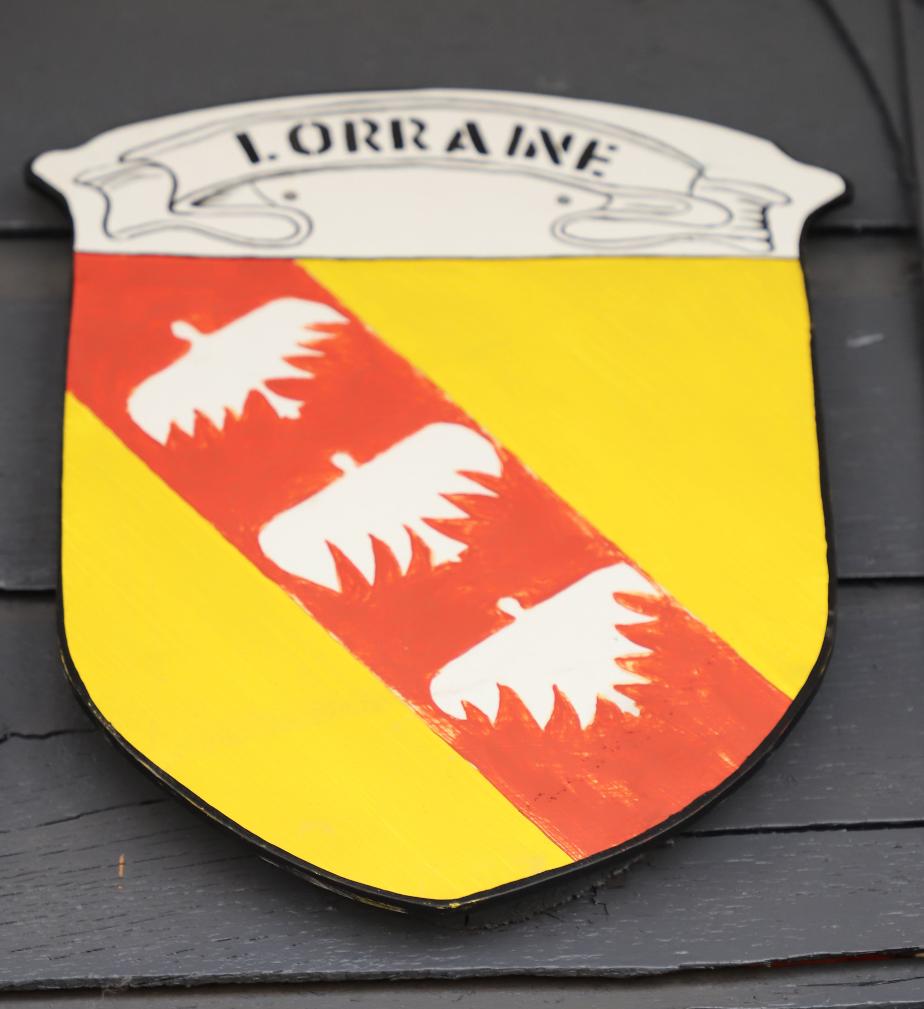
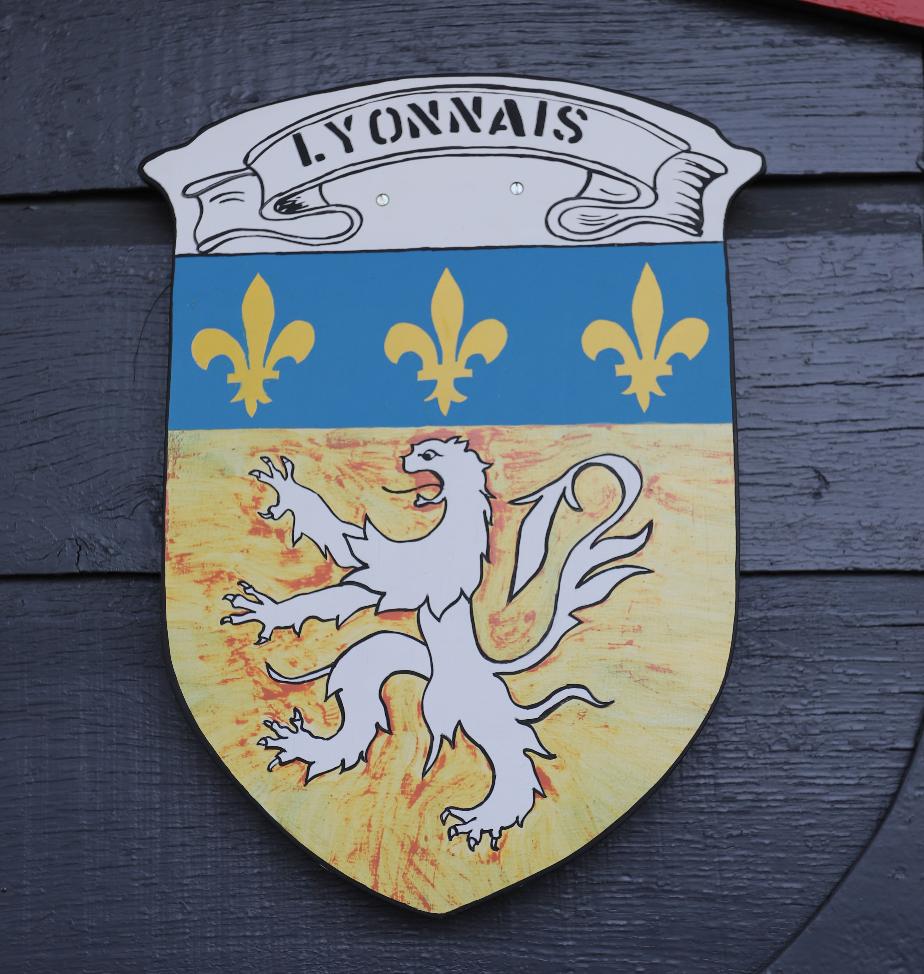
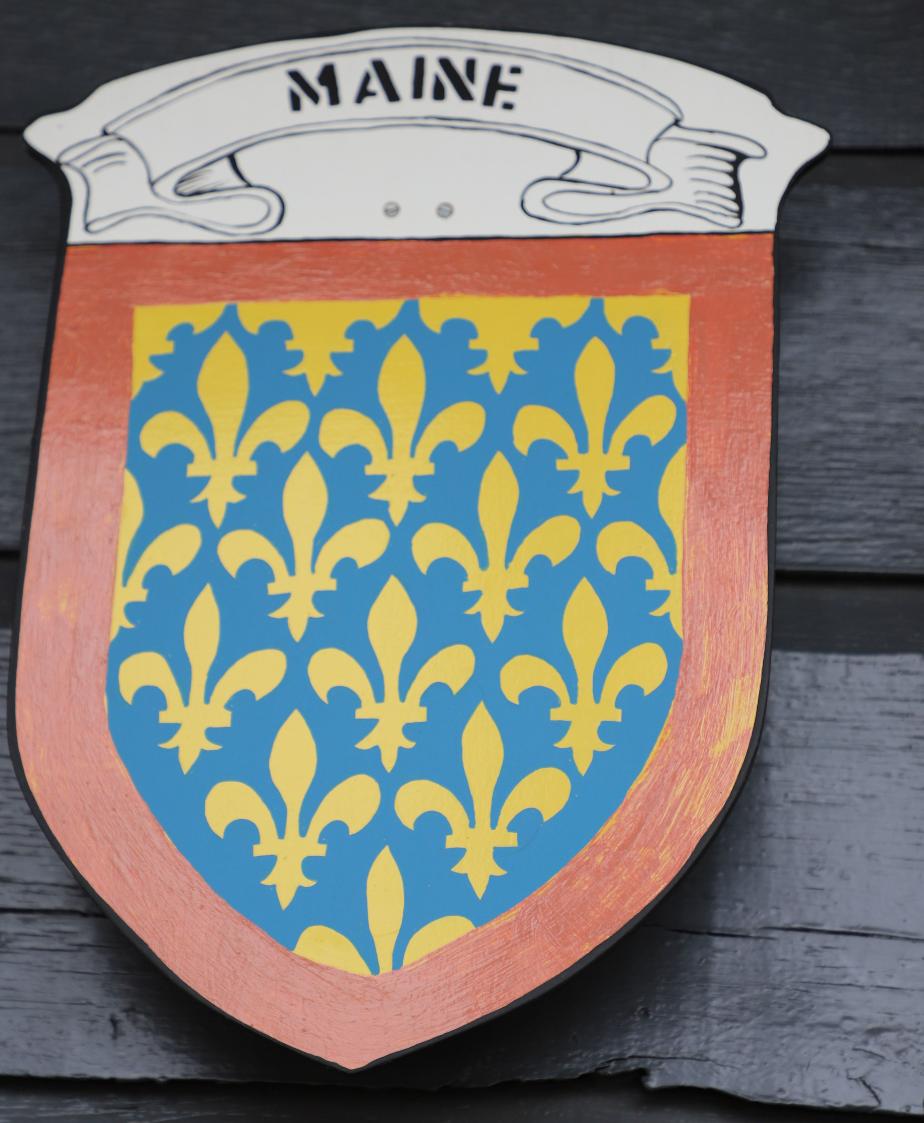
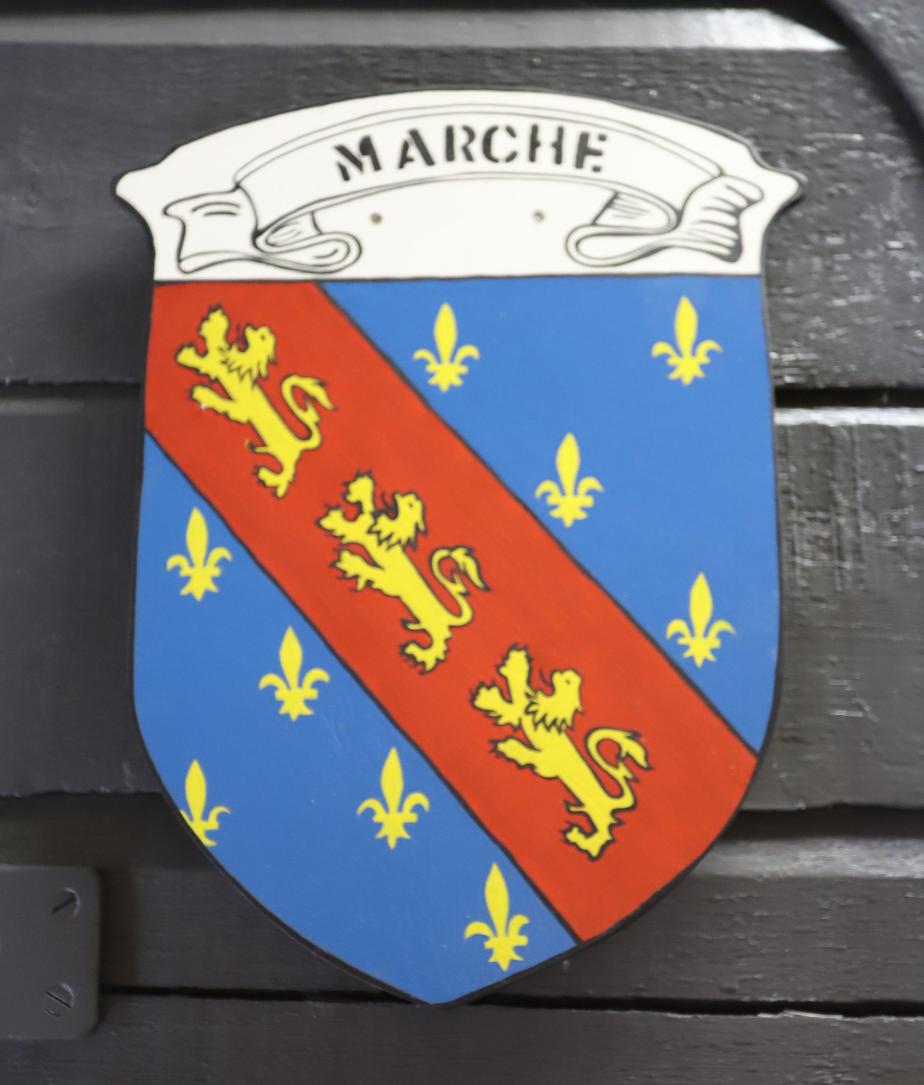
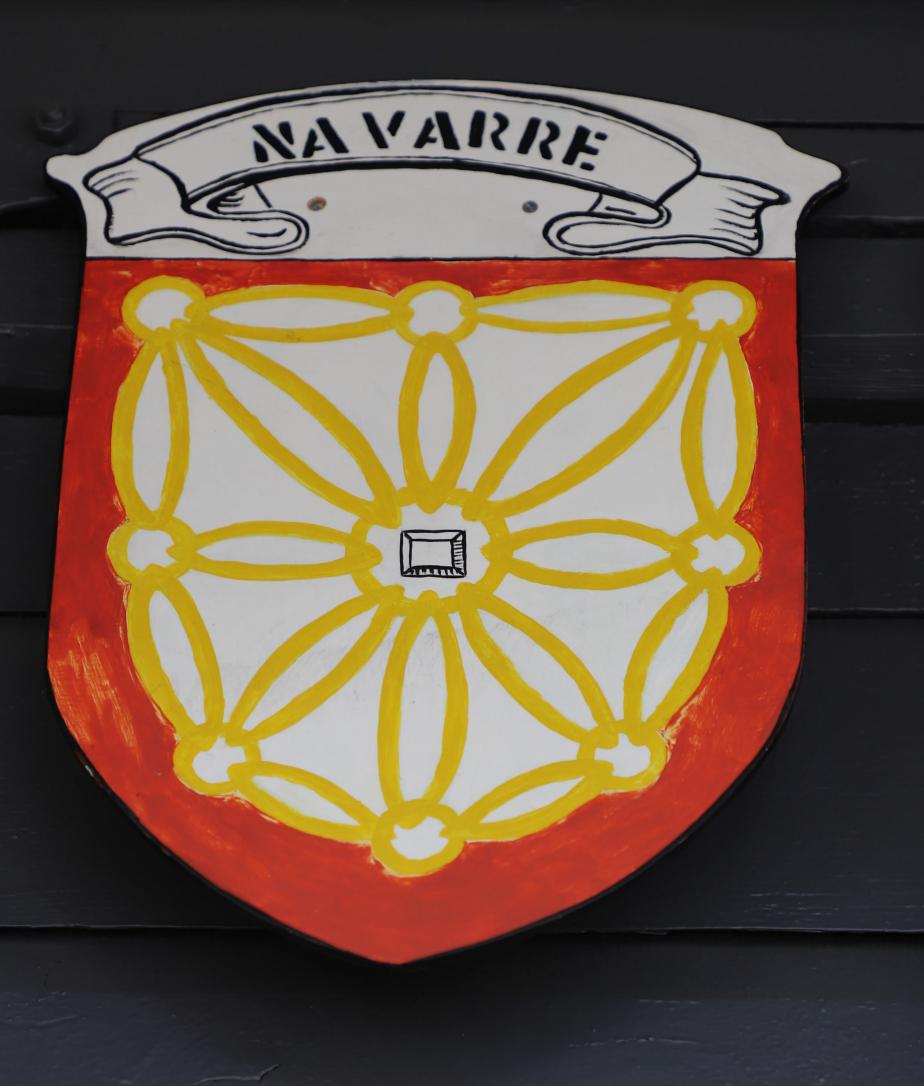
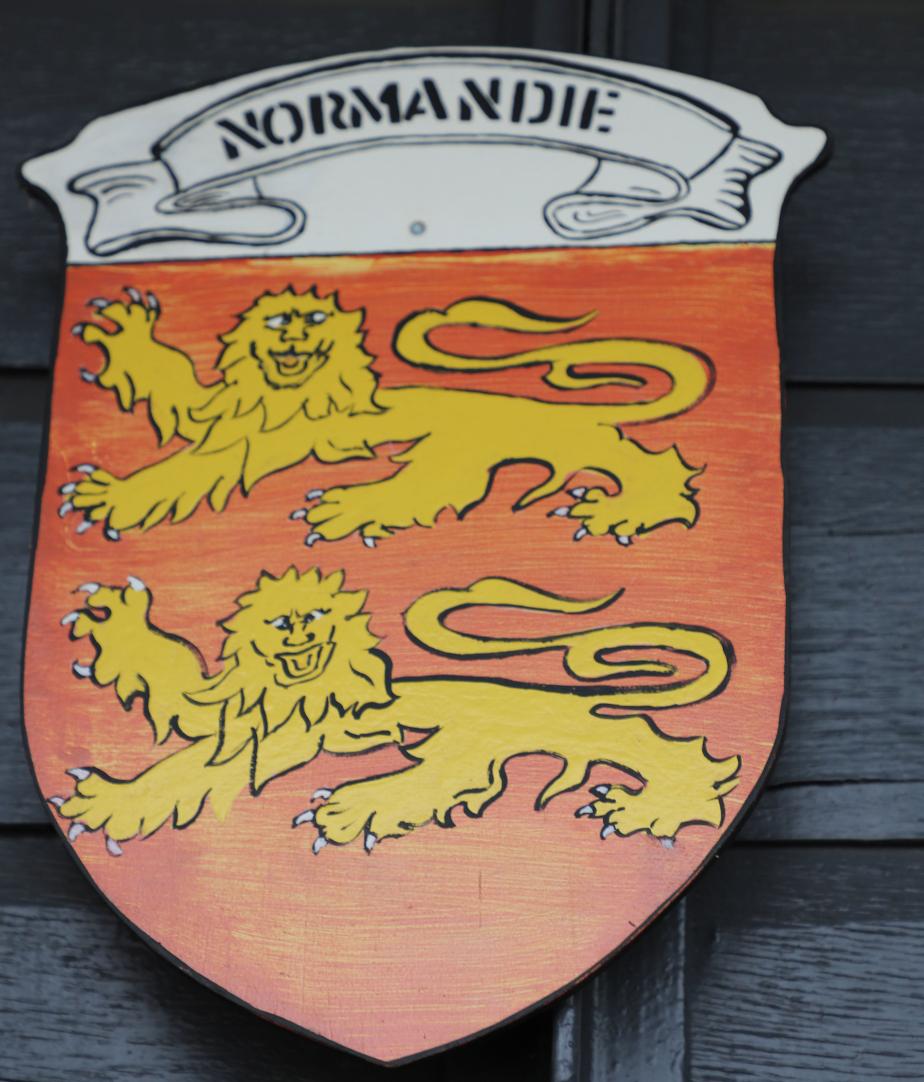
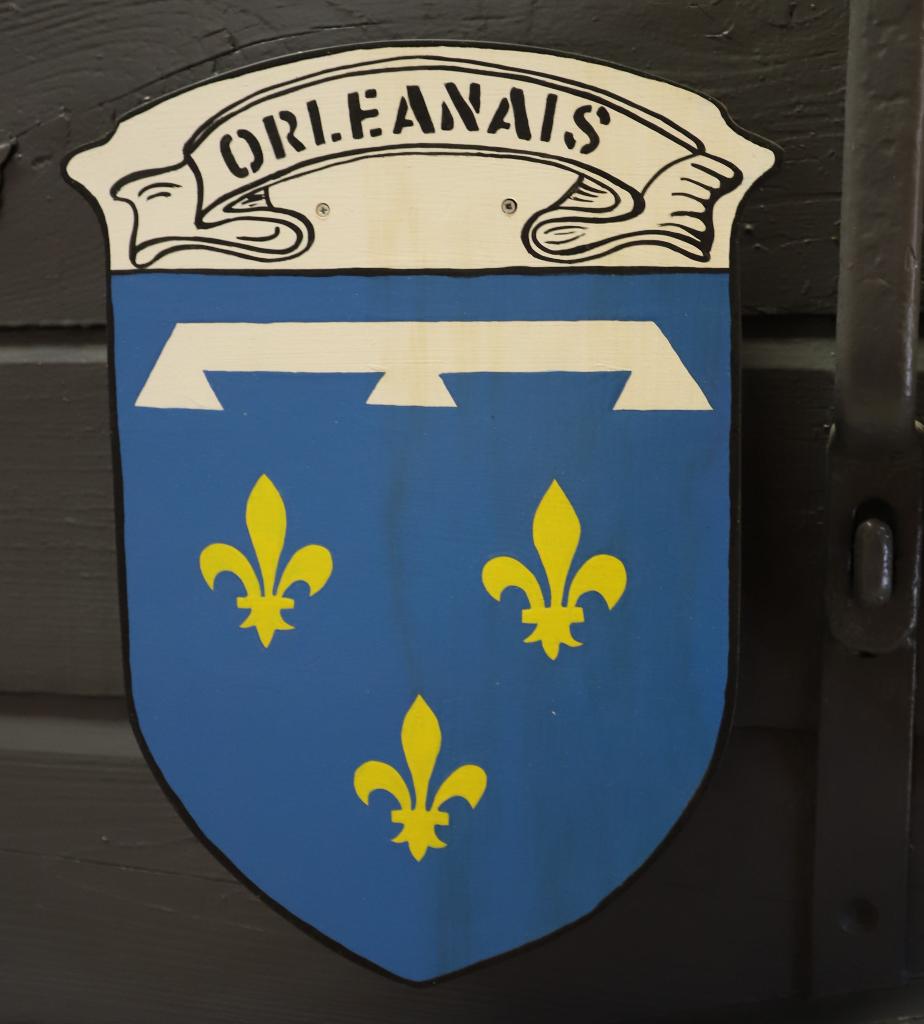
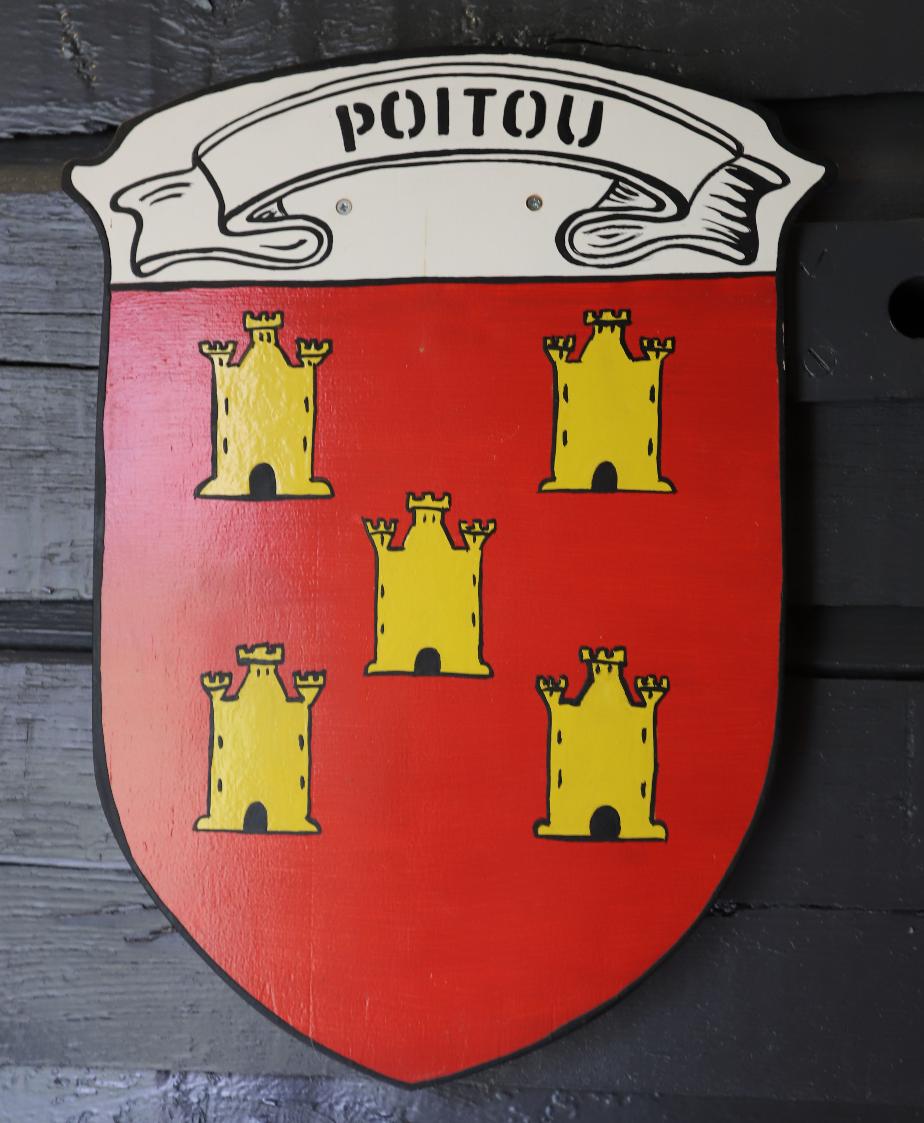
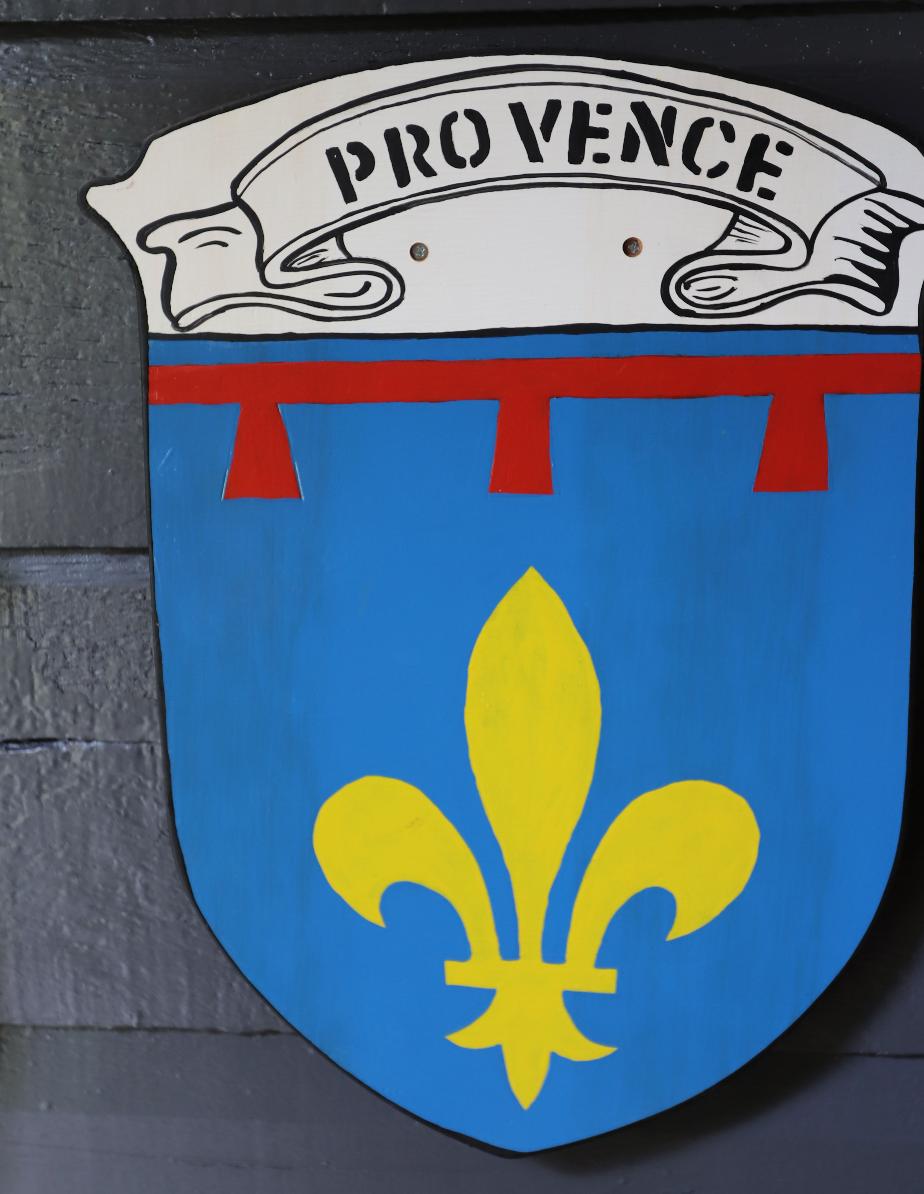
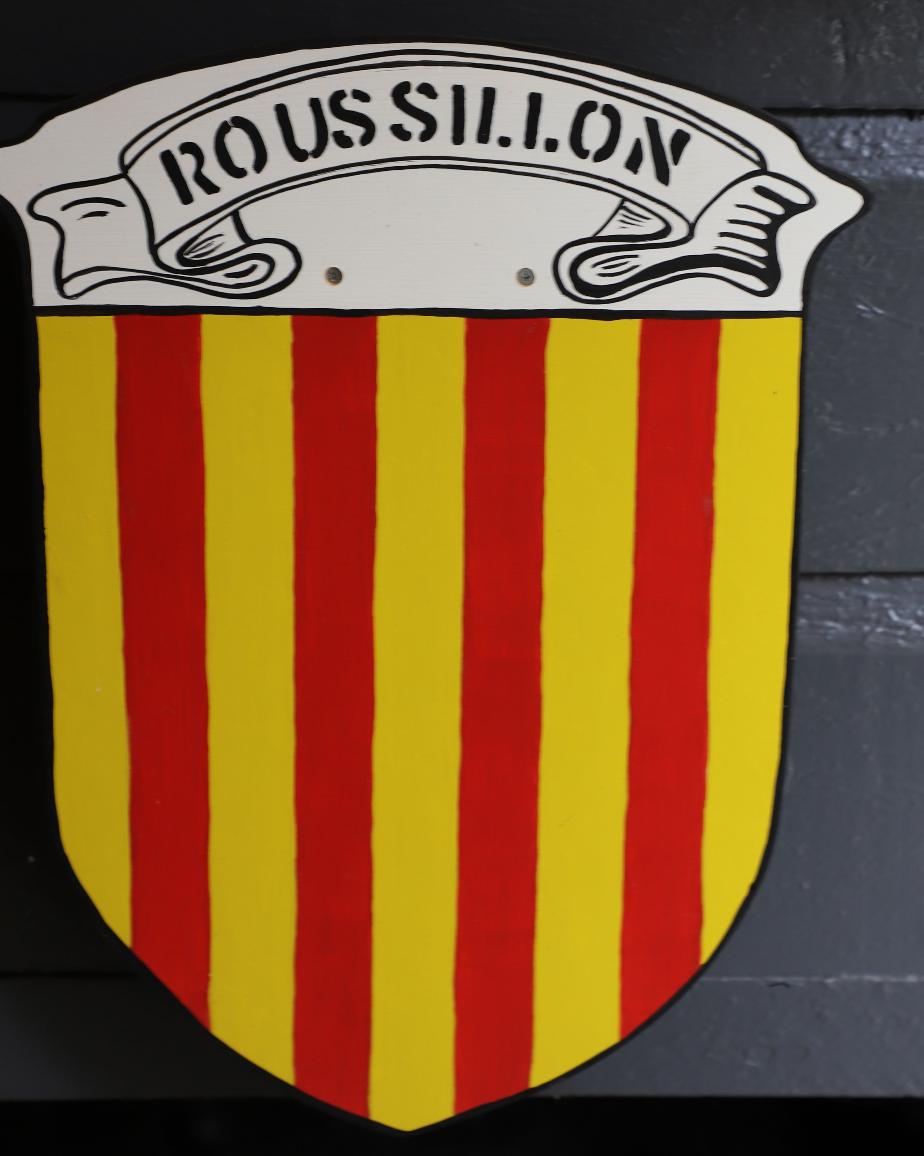
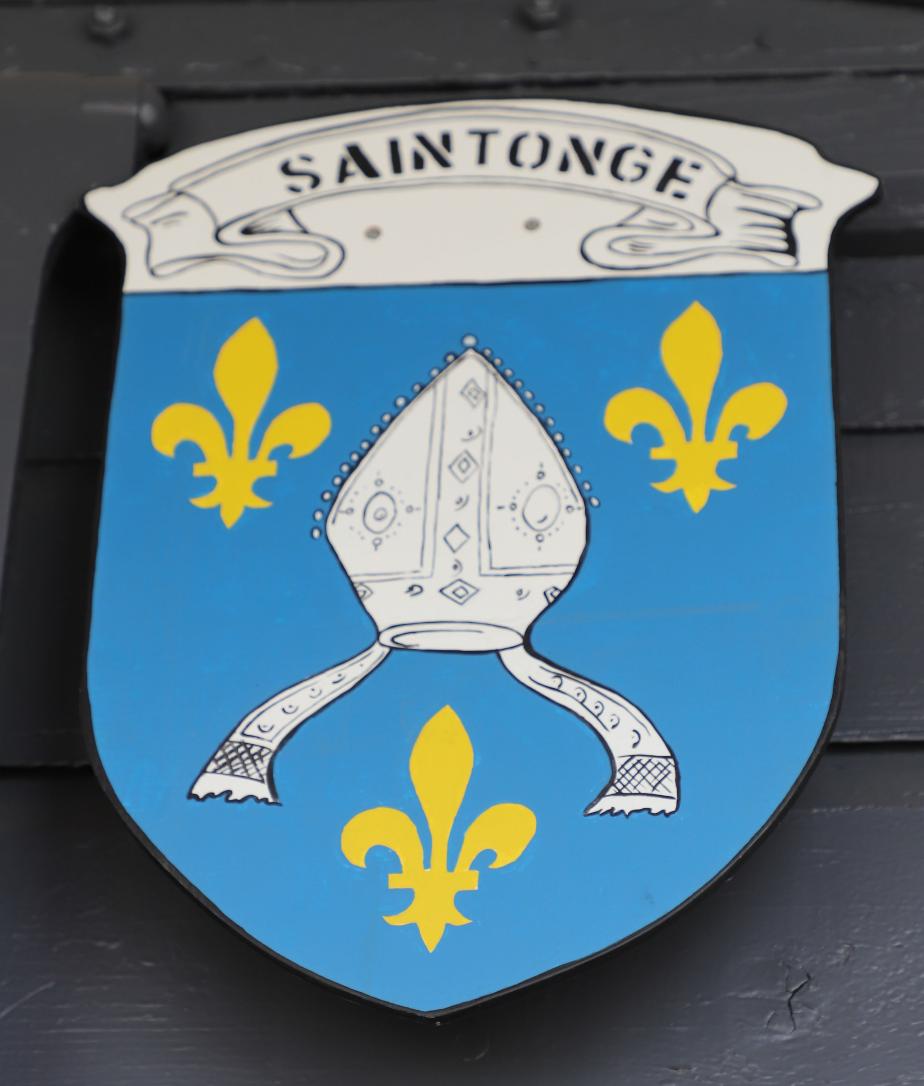
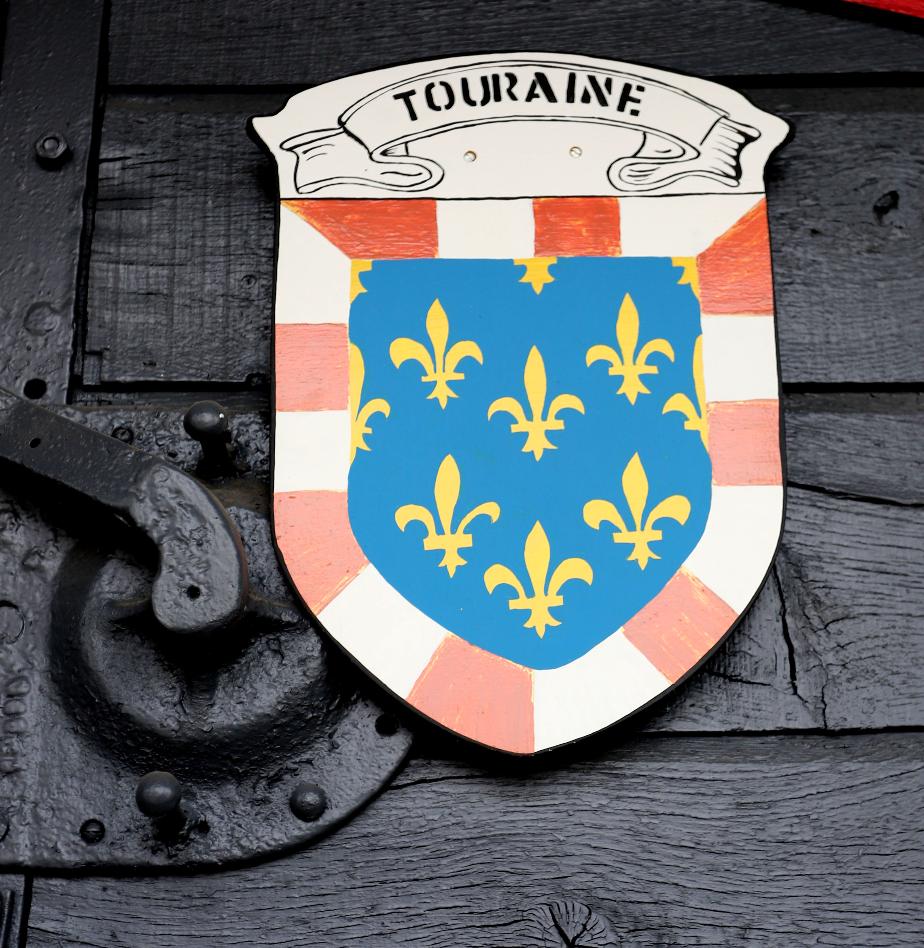
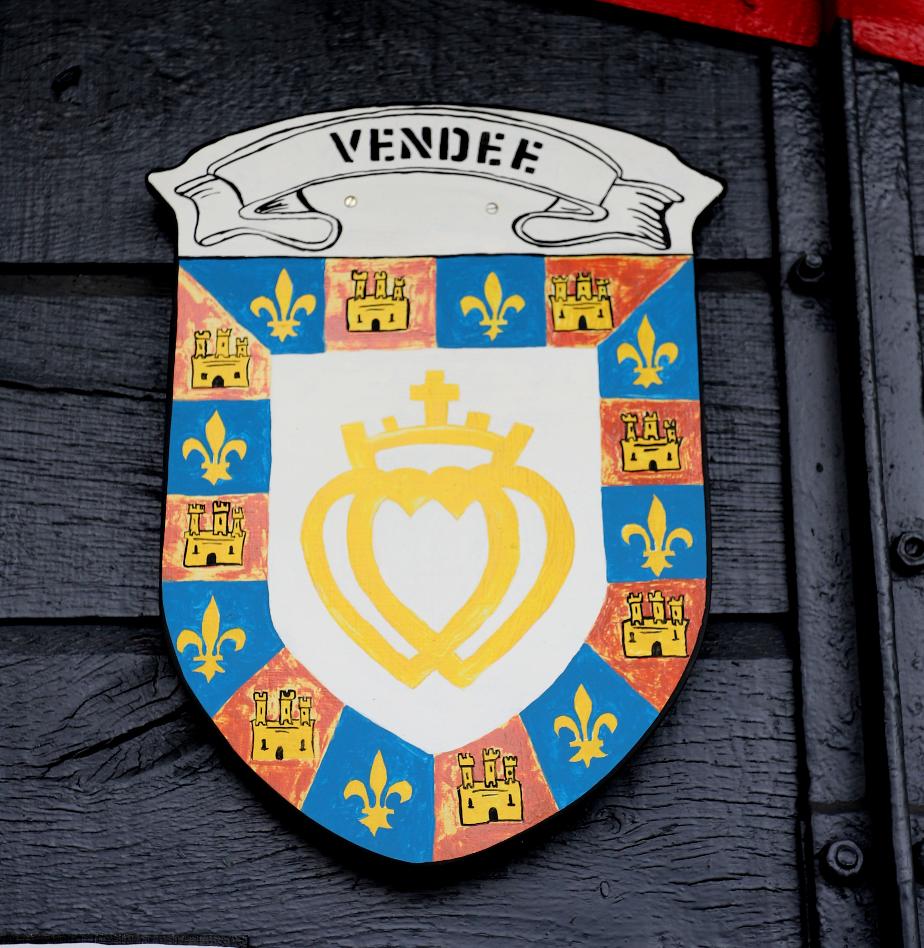
They arrived in America aboard an Ocean freighter on February 3, 1949. During two wars they had served France as dual-purpose railway haulers of the military cargoes stenciled on their sides: "Hommes 40-Chevaux 8." But now the stubby little boxcars held neither men nor horses. Instead, each was crammed with precious gifts for the United States of America. All had been recently repaired, freshly painted and decorated with plaques bearing the coats of arms of the 40 provinces of France. Across their sides, upon tri-colored bands, was printed the name of the enterprise for which they stood-on one side "Train de la Reconnaissance Francoise " and on the other "Gratitude Train." EXPRESSION OF THANKS The train was an expression of thanks from the citizens of France to the people of America for aid rendered during and after World War II. This aid had reached soul-stirring intensity in 1947 when some $40 million in relief supplies were collected in the American Friendship Train for shipment to war-stricken France and Italy. The project, initiated by newspaper columnist Drew Pearson, resulted in the distribution of more than 700 carloads' of food, fuel and clothing to Europe's homeless and destitute. Not an official government program, but rather a grass roots, people-to-people effort, the American Friendship Train carried personal contributions from individuals in every part of America.
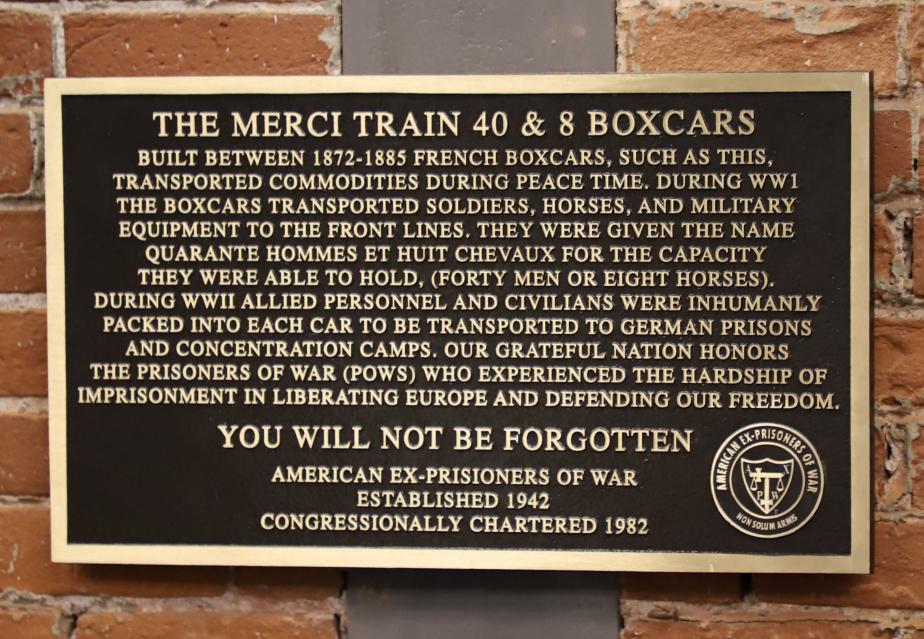
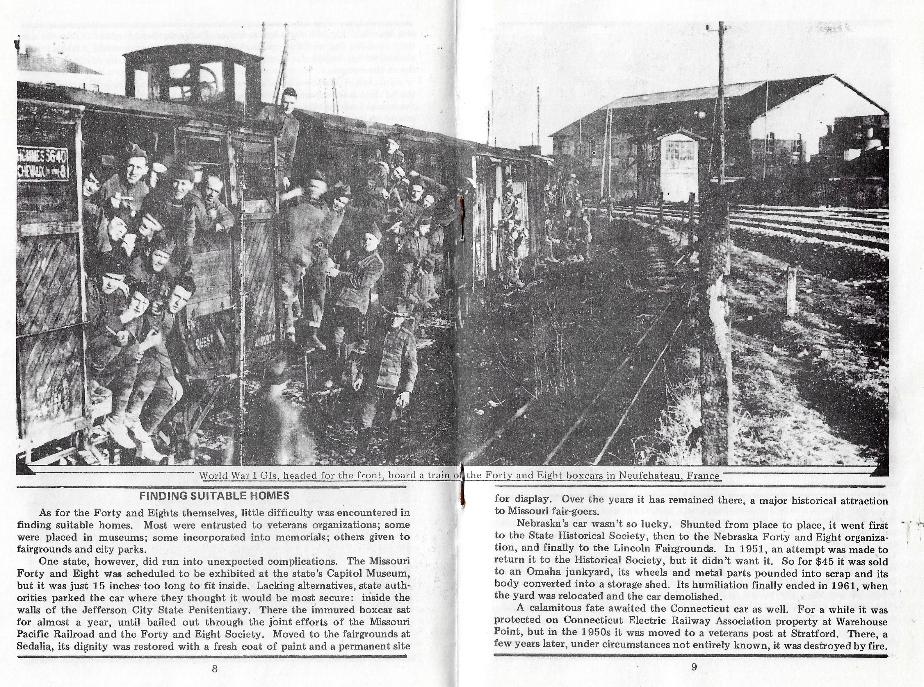
It was the American Friendship Train that inspired a rail worker and war veteran named Andre Picard to suggest that France reciprocate. His original idea was to presented to the United States with a decorated Forty and Eight boxcar loaded with gifts representative of his country-wines from Alsace, Bordeaux., Burgundy, Champagne and the Loire Valley; white lace headdresses from the Brittany / Normandy hills; perfumes and hats from Paris; and clay figures from Provence. A local Veterans organization adopted the proposal, and a committee was established to solicit gifts. The response from the citizenry was immediate and overwhelming. Despite the economic hardships brought by years of war, hundreds, then thousands, then tens of thousands came forward with gifts of gratefulness. As press and radio spread the story, the project gained national momentum. The government announced its official approval; the French Academy issued a ringing endorsement; and hundreds of professional, social and fraternal organizations asked to participate. Clearly a single boxcar would not be enough. Superseding the local committee, the National Headquarters of the French War Veterans Association took control arid decided to fill 49 cars with gifts.' One would go to each of the 48 states, and the 49th would be shared by the District of Columbia and the territory of Hawaii. During the summer of'1948, volunteers manned collection stations in cities, villages and country sides, while all across the nation, trainmen scoured railyards, sidings and depots for Forty and Eights. The selection of these superannuated boxcars as merci carriers was a thoughtfully appropriate choice. Not only did their use allow an exchange of train for train, but the Forty and Eights themselves possessed symbolic significance. During World War I, millions of khaki-clad Yanks, carried by steel Pullman sleepers to Atlantic ports, landed in France to find awaiting them these rickety wooden cars. Built between 1872 and 1885, the 12-ton, 29-foot, four-wheeled rail carriages were first used as general-purpose freight haulers, then later converted to troop and animal transports for wartime service. With their protruding button type buffers and chain link couplings, the antiquated conveyances appeared at once exotic and outlandish to their combat-bound passengers.
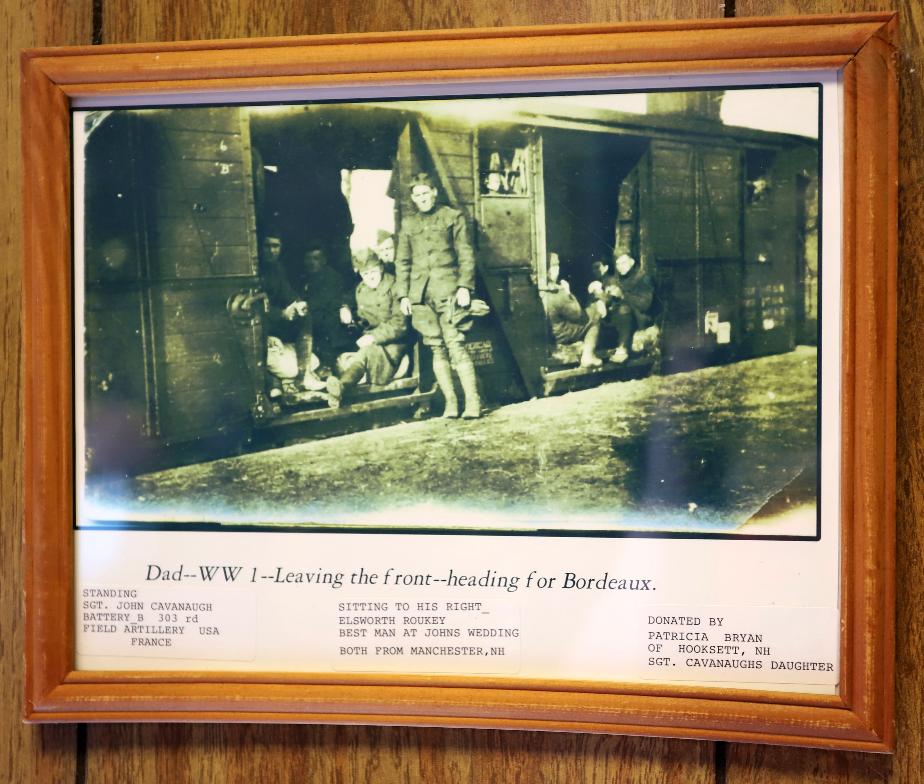
The Americans were alternately enchanted and disgusted, intrigued and infuriated by the little dual-purpose cars. Sometimes they were just plain confused. In The Doughboys-The Story of the AEF, Laurence Stallings tells of one sergeant who reported to his leader: "I got all my 40 artillerymen in the boxcar, lieutenant. But if you try to put eight of our horses in, somebody's gonna be trampled to death." In the 19205, some veterans, with memories of fateful rail journeys across France, formed a fraternal group which took its name from the cars. Established as a subsidiary of the American Legion, La Societe des Quarante Hommes et Huit Chevaux included thousands of Voyageurs Militarire organized at the national, state and local levels. Following World War II, its membership was bolstered by a whole new generation of veterans who remembered with mixed emotions the rough-riding old cars, but the lading of amity carried by the Gratitude Train was not intended for one exclusive group. These ornamented Forty and Eights were consigned to all the people of America, just as they had been dispatched to all the people of France. CARS FILLED WITH GIFTS Although many in that war-ravaged country had little but sentiment to offer, more than six million families gave up something of value to help fill the cars. Most of the 52,000 carefully packaged and crated gifts were worth little in money. Yet, some were priceless. They included childish drawings on rough, yellowed paper; puzzles mounted on cardboard frames; ashtrays made of broken mirrors; worn -down wooden shoes; hand-crocheted doilies; battered toys; the original bust of Benjamin Franklin by the great French sculptor, Jean Antoine Houdon; a jeweled Legion d'Honneur once presented to Napoleon; the bugle which signaled the Armistice signing at Compiegne in 1918; 50 rare paintings; a Louis XV carriage; and the first motorcycle ever built, and there was more. The Society of Parisian Couturiers contributed an exquisite set of 49 little mannequins dressed in fashions from 1706 to 1906. The president of France donated an equal number of delicate Sevres vases. One of the Marquis de Lafayette's descendants presented his ancestor's walking stick. A disabled veteran offered .a wooden gavel he had carved from a tree in Belleau Wood. There were new bicycles and old bicycles and just bicycle wheels. Children sent dolls of every size, shape and description. A church in La Courtene surrendered its bell; the city of Lyon provided dozens of silk wedding dresses; and an anonymous donor chipped in a set of black lingerie intended "for a beautiful blonde"
According to newspaper accounts, as the Forty and Eights were being painted, one poor woman rushed past workmen to one of the cars and announced, "I have nothing else to send. I will send them my fingerprints." So saying, she pressed her ringers into the fresh paint. As one American was later moved to remark, "They gave so much from their little, while we gave so little from our abundance." By the end of 1948 the boxcars were filled to capacity. The train, carrying more than 250 tons of gratitude, was assembled at Paris and pulled to the port of La Havre for transshipment to America. Even as the Forty and Eights were being loaded aboard the merchant ship Megellan, more presents poured in. More than 9,000 gifts had to be left behind on the docks, When the Magellan reached its destination, The New York Times reported "a welcoming din surpassing that accorded the maiden arrival here of an ocean passenger queen_" Greeted by a flotilla of small boats, the gaily beflagged freighter, emblazoned amidships with the huge inscription "Merci, America" steamed proudly into New York Harbor while overhead waves of Air Force planes roared by in aerial salute, As the port resounded with ringing bells, blowing whistles and -walling sirens, escorting fireboats turned their powerful nozzles skyward and sent towering columns of spray into the wintry sunlight, For a few glorious moments, the once-humble are carrier was the envy of her country's merchant marine.
CARGO IS WELCOMED
The ship docked at Weehawken, N_J, and the following day unloaded through the voluntary services of local stevedoring companies. Normal customs procedures were waived: President Truman had signed into law a special resolution permitting the train and its cargo to enter the United States duty free, Since their wheels were about eight inches wider than American rails, the Forty and Eights were hoisted onto flatcars' for their overland journey. Trainmen then sorted them into three sections for shipment to the South, West and New England.
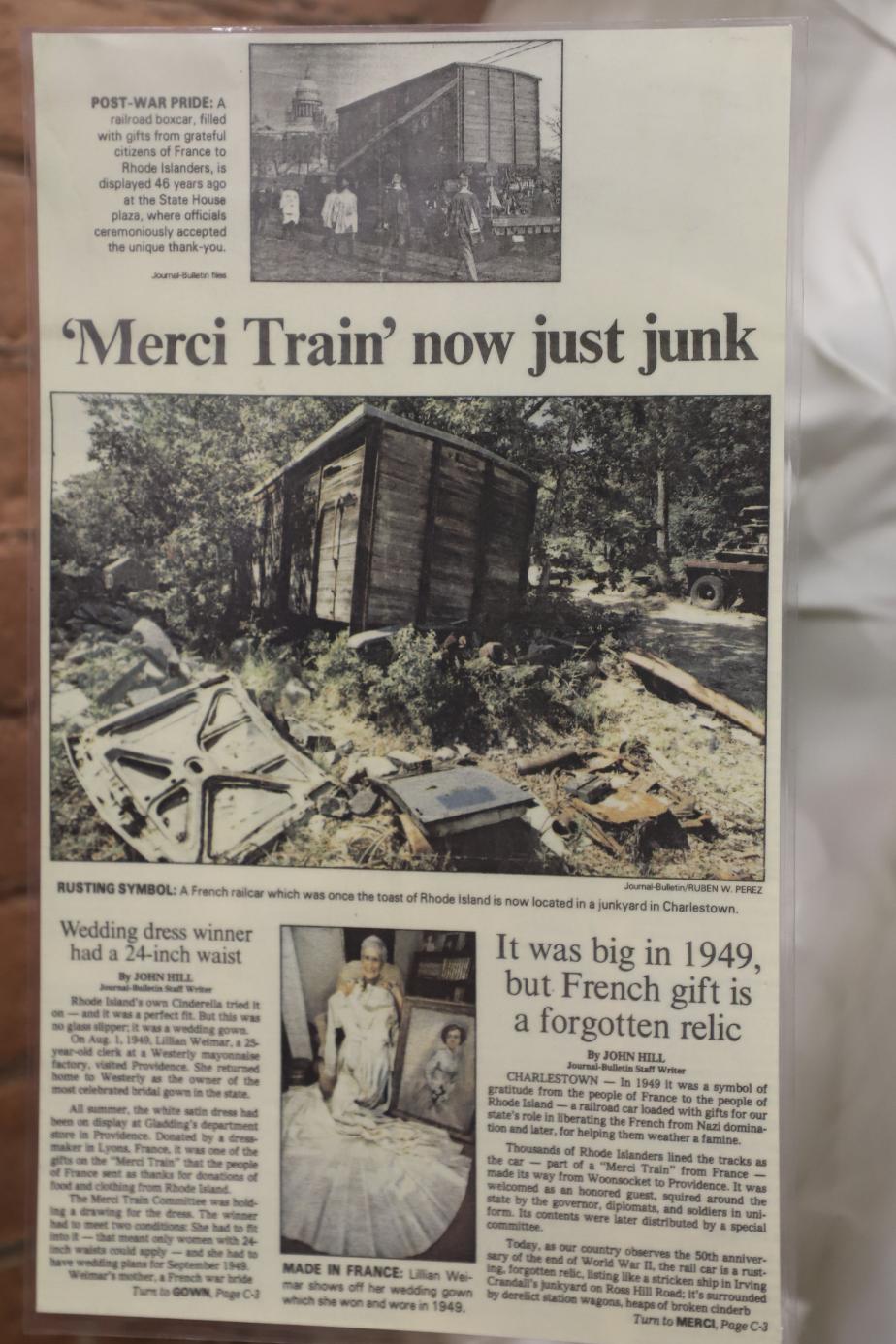
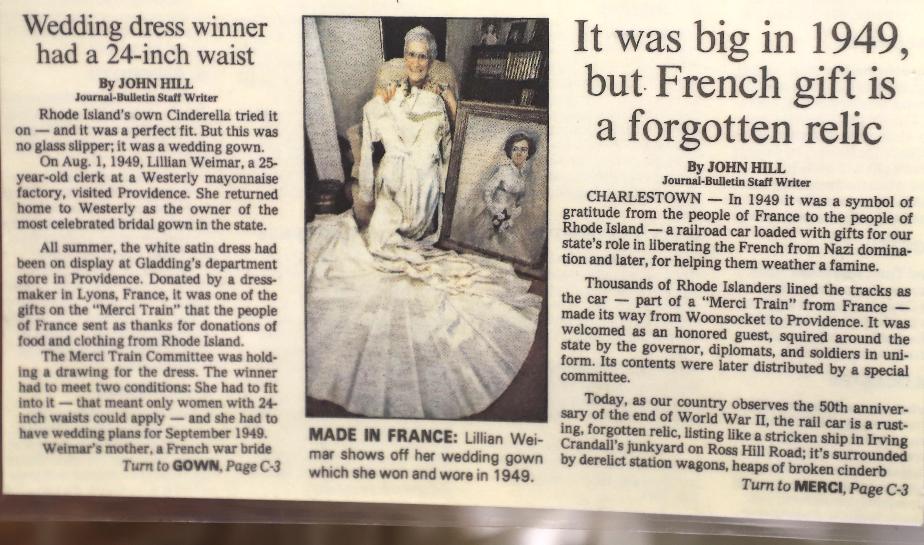
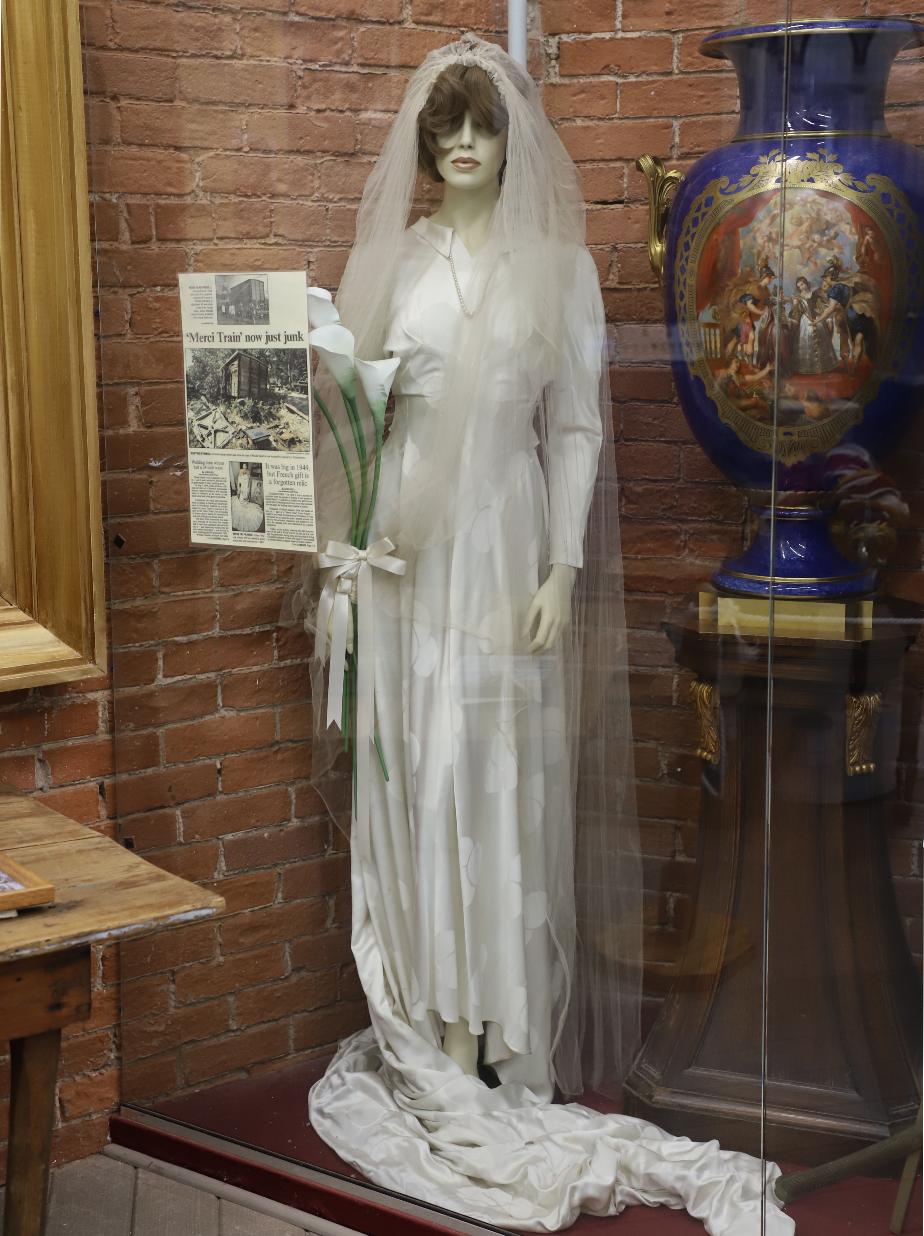
In the meantime, the New York car was placed aboard a lighter and transported to Manhattan where it was trundled up Broadway amid swirling ticker tape as 200,000 people roared a tumultuous "you're welcome" to the people of France. For the next several weeks, similar scenes, in varying degrees of magnitude, were repeated throughout the nation. As far as practicable the Forty and Eights, hauled without charge by the Association of American Railroads, were routed to retrace the movements of the Friendship Train; and one by one, they were delivered to the various state capitals. In city after city, dignitaries assembled, parades were held and thousands gathered to witness colorful ceremonies. All across the nation, Americans went all-out to welcome France's Merci Train. Each state established committees to catalog and distribute its share of the train's cargo. In most cases the gifts were initially exhibited in capitols or major cities and then sent on state-wide tours. Afterward, they were distributed in a variety of ways. .A few, addressed to specific individuals or institutions, were delivered in accordance with the sender's wishes. In some states the contents were sold at auction and the proceeds· given to charities; elsewhere selected items were "turned over to veterans hospitals, orphan homes, schools and churches. Articles suitable for perm ant display were generally placed in state and private museums, libraries and other public institutions. Some of the gifts posed particular problems. For example, many of the cars contained young oak and beech trees intended to serve as "living reminders of the enduring friendship between the French and the Americans." Unfortunately Department of Agriculture experts, recalling disastrous experiences with Dutch elm disease and' Japanese beetles, eyed the little trees with professional suspicion. Citing' federal quarantine laws, they ordered the seedlings placed in state observation plots for at least two years before they could certify them for permanent planting. At least two states came up with novel methods for bestowing the wedding ensembles sent by the City of Lyon. In Oregon, senior high school girls vied for their state's dress by entering an essay competition of the value of the Friendship and Gratitude Trains, while in Connecticut, a state-wide measuring-in contest was held for 175 June brides-to-be. The lucky New England Cinderella not only received the wedding outfit, but also prizes from sponsoring Hartford merchants which included a free honeymoon trip to Lyon so she could personally thank the donors.
In certain instances special presentations were made. Among the articles in the Vermont car was a statuette of a catamount, which by coincidence was the mascot of the University of Vermont athletic teams. It was given to that school at its annual sports banquet with the provision that each year, on Bastille Day, a cablegram of greeting be sent to the president of the Amateur Athletic Association of France from the university's team captains. In the New Y ark car a reproduction of the famous Joan of Arc bell, specially cast for the Gratitude Train 'by the City of D'Annecy, 'was found marked for Cardinal Spellman to place as he saw fit. At a solemn ceremony attended by hundreds, the 500-pound bell, engraved with the inscription "1 am the ambassadress that sings gratitude and friendship'," was turned over to New York's St. Patrick's Cathedral. It was hung at the right side of the church, just inside the main entrance alongside the American flag which had flown above the battleship New York at Pearl Harbor. The territory of Hawaii had no problems with the distribution of gifts. Its boxcar, which was to be shared with the District of Columbia, first stopped at the nation's capital, en route to the future island state. There, before moving on, the Forty and Eight was emptied of everything. Hawaii (which had sent two car loads of sugar in the Friendship Train) got a boxcar full of packing straw.
FINDING SUITABLE HOMES
As for the Forty and Eights themselves, little difficulty was encountered in finding suitable homes. Most were entrusted to veterans organizations; some were placed in museums; some incorporated into memorials; others given to fairgrounds and city parks. One state, however, did run into unexpected complications. The Missouri Forty and Eight was scheduled to be exhibited at the state's Capitol Museum, but it was just 15 inches' too long to fit inside. Lacking alternatives, state authorities parked the car where they thought it would be most secure: inside the walls of the Jefferson City State Penitentiary. There the immured boxcar sat for almost a year, until bailed out through the joint efforts of the Missouri Pacific Railroad and the Forty and Eight Society. Moved to the fairgrounds at Sedalia, its dignity was restored with a fresh coat of paint and a permanent site for display. Over the years it has remained there, a major historical attraction to Missouri fair-goers. Nebraska's car wasn't so lucky. Shunted from place to place, it went first to the State Historical Society, then to the Nebraska Forty and Eight organization, and finally to the Lincoln Fairgrounds. In 1951, an attempt was-made to return it to the Historical Society, but it didn't want it. 80 for $45 it was sold to an Omaha junkyard, its wheels and metal parts pounded into scrap and its body converted in to a storage shed. Its humiliation finally ended in 1961, when the yard was relocated and the 'car demolished. A calamitous fate awaited the Connecticut car as well. For a while it was protected on Connecticut Electric Railway Association property at Warehouse Point, but in the 1950's it was moved to a veterans post at Stratford. There, a few years later, under circumstances not entirely known, it was destroyed by fire.
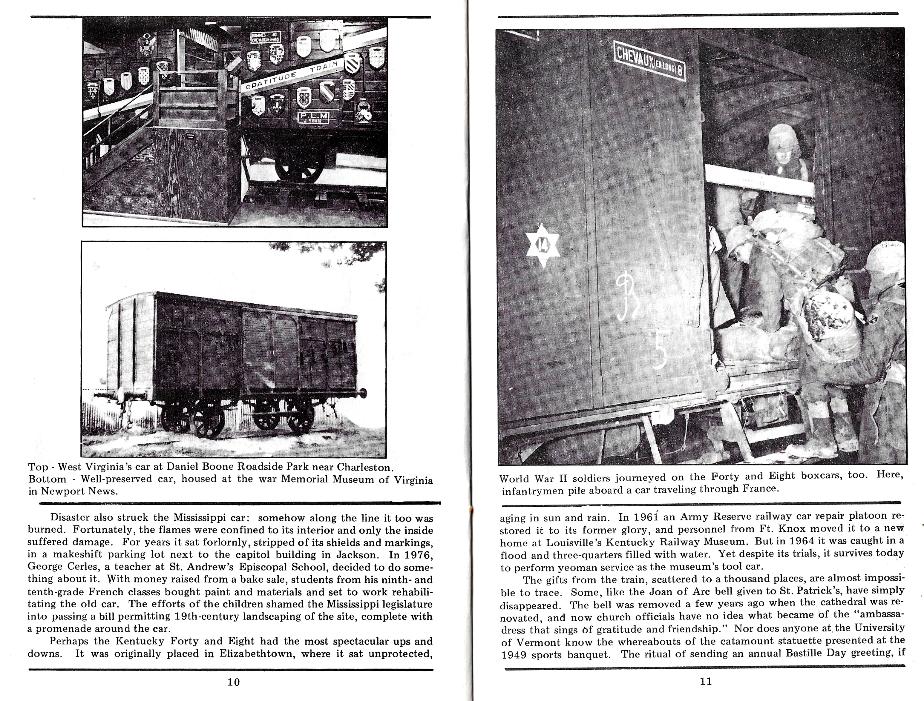
Disaster also struck the Mississippi car: somehow along the line it too was burned. Fortunately, the flames were confined to its interior and only the inside suffered damage. For years it sat forlornly, stripped of its shields and markings, in a makeshift parking lot next to the capitol building in Jackson. In 1976, George Oerles, a teacher at Andrew's Episcopal School, decided to do something about it. With money raised from a bake sale, students from his ninth. and tenth-grade French classes bought paint and materials and set to work rehabilitating the old car. The efforts of the children shamed the Mississippi legislature into passing a bill permitting 19th·centurylanciscaping of the site, complete with a promenade around the car. Perhaps the Kentucky Forty and Eight had the most spectacular ups and downs. It was originally placed in Elizabethtown, where it sat unprotected, aging in sun and rain. In .1961 an Army Reserve railway car repair platoon restored it to its former glory, and personnel from Ft. Knox moved it to a new home at Louisville's Kentucky Railway Museum. But in 1964 it was caught in a flood and three-quarters filled with water. Yet despite its trials, it survives today to perform yeoman service 'as the museum's tool car.
The gifts from the train, scattered to a thousand places, are almost impossible to trace. Some, like the Joan of Arc bell given to St. Patrick's, have simply disappeared. The b ell was removed a few years ago when the cathedral was renovated, and now church officials have no idea what became of the "ambassadress that sings of gratitude and friendship." Nor does anyone at the University of Vermont know the whereabouts of the catamount statuette presented at the 1949 sports banquet. The ritual of sending an annual Bastille Day greeting, if it ever was a observed, has long since been discontinued and most of the young trees shipped in the train, like those in the Nebraska car, failed to survive the rigors of the North American climate, A few, it is hoped, endured quarantine, took root and perhaps now flourish as living symbols of French-American friendship. It is known that scores of museums and 'libraries around the country still exhibit, or at least store, items sent in the train, But for the most part, time has blurred the connection between these articles and the undertaking which brought them.
CONDITION OF CARS
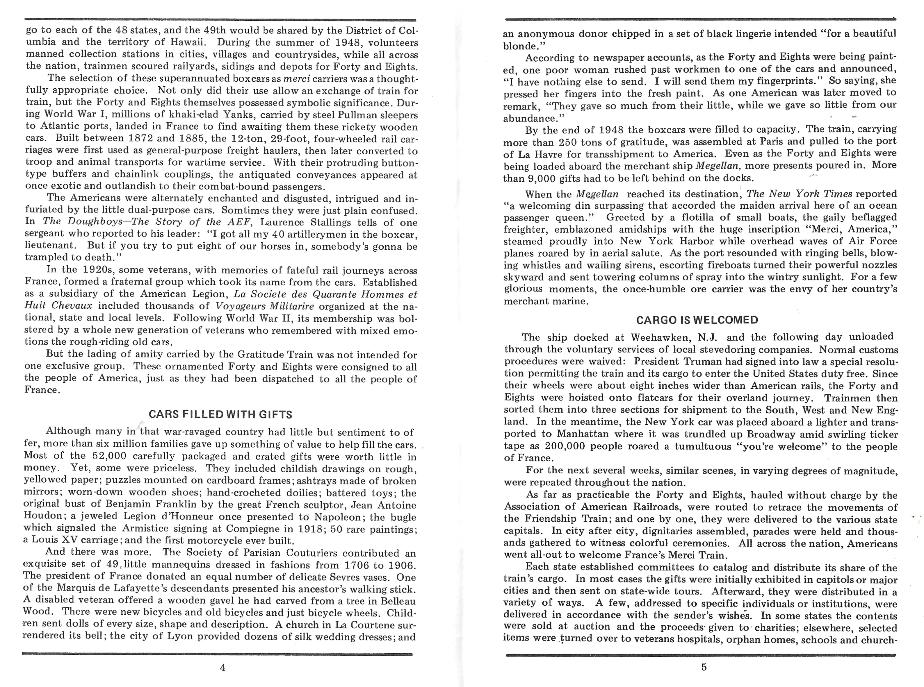
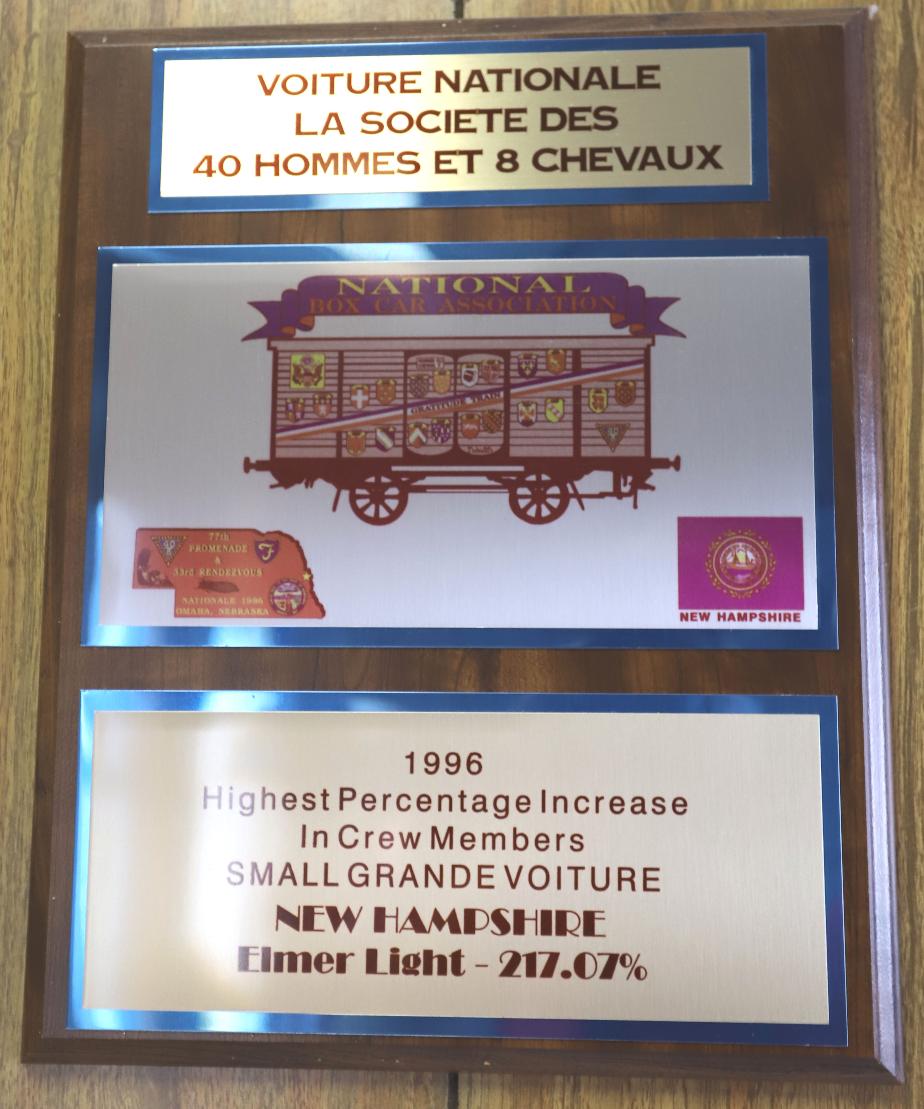
And so it is also with many of the cars, while some are displayed with appropriate markers recounting the story of the Gratitude Train, many more sit unheralded, mere curiosities appearing void of any significance, A few-notably those in Iowa, Louisiana, Maryland, New Hampshire, North Dakota, Pennsylvania, Vermont and Virginia-are adequately protected, conscientiously maintained and attractively displayed, But others sit sadly neglected, plaques gone, paint peeling, iron parts rusting, weeds growing up through rotted, termite ridden floors, Several states, including Tennessee, Wisconsin, West Virginia and Hawaii, have recently completed, or are now in the process of rehabilitating, their cars, In Florida, the Forty and Eight Society has organized a "Boxcar Restoration Club" and plans to overhaul its state's car with funds contributed by subscribing members.
Today there are no fewer than 39 ears from the Gratitude Train on public display, They, and many of the gifts they carried, still serve to remind us of that splendid gesture sent by the people of France almost a third of a century ago. The 40 & 8 is more than just Fun and Games In these days as we begin a new year of Forty & Eight activities, it may be wise to consider the part that the Forty & Eight has played, not only in the lives of the members of the American Legion but also in the progress and well-being of this country, It is unfortunate that the great majority of the citizens of this country, yes, and a large number of Legionnaires, have no idea of the purpose for the existence of the Forty & Eight.
At most state and national conventions, people have seen members of the Forty & Eight in their long smocks or red coats, wearing French Chapeaux, riding on box-cars or other vehicles, whooping it up in lusty fun, The country, as a whole, has formed the belief that here is an organization made up of a wild bunch of veterans who were out to "raise the roof," caring for nothing and just having a lot of fun, That, of course, is a very mistaken belief. Though a fun organization and a group that lends color to any parade, the Forty & Eight has a very serious objective, Let us look at its accomplishments and goals. When the 20 young American officers met in Paris, one night in February of 1919, at the request of Lt. Colonel Theodore Roosevelt, they had no idea that a Forty & Eight would someday he created. Their sole thought was the creation of an association of United States veterans who had served in World War I, so that the memories and the incidents of that war would be forever preserved. And thus was born the American Legion, the largest and greatest of veterans organizations in the world, dedicated to preserving peace, protecting and defending our way of life, an d sworn to serve God, country and the' community.
With the development of the American Legion came more ideas. Many of the veterans wanted to remember how they traveled from one sector of France to another in small box-cars which were labeled to hold 40 men and eight horses. They wanted to preserve the memory of, France, its language and even the salute of the French soldier. Gradually there began to develop the idea of creating an organization which would invite within its ranks outstanding Legionnaires, veterans who had performed outstanding service within the American Legion, It would be, in fact, an HONOR society for distinguished legionnaires. Much thought went into the development of this idea, which came to full fruition on March 15, 1920 in the city of Philadelphia. The men who conceived the idea of' La Societe, thought of the miserable soldiers who had laughed at their own discomfort as they squeezed into those tiny French box-cars. They thought of the discharged veterans who came home to find their sweethearts married to the men who had stayed at-home and their jobs filled by those "stay at homers." They thought about how the discharged men were given $60 with which to outfit themselves in cheap civilian clothing and to maintain themselves until they could find jobs. Having learned in France that laughter was a wonderful cathartic for misery, the founder of the Forty & Eight decided to provide a playground for the American Legion, a place where the hard-working Legionnaires could blow off steam harmlessly and laugh at their difficulties - of which there were many. The idea spread and Legionnaires hurried to perform extra service to the American Legion in order to qualify for membership in the "box car brotherhood." But soon the Forty & Eight discovered that just having fun for fun's sake was not enough to make them happy, veterans were returning sick and wounded without adequate hospital care. Wives, widows and children were suffering. The American Legion was fighting for financial aid.
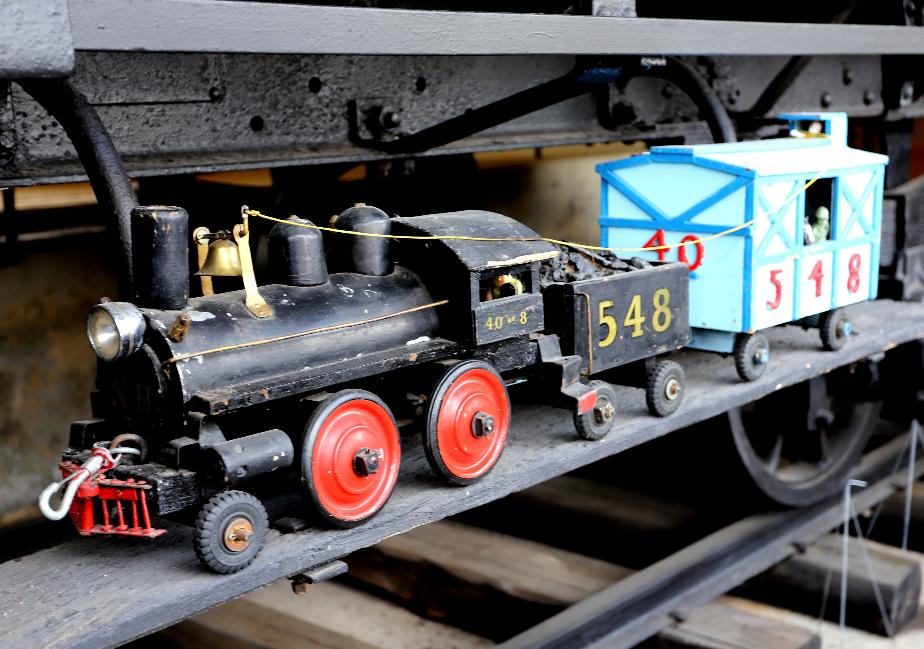
That's when the Forty & Eight became of age ... when it decided that the best way to have fun was in working on behalf of others. They started a children's welfare program, which the American Legion administered and the voyageurs began the fund with a gift of $25,000 and later poured $1,210,000 into the fund. The money was earmarked for emergency aid to veterans' children. In addition, the Forty & Eight began an entertainment program for children in' hospitals and orphanages. They gave the children rides on their funny little locomotives, brought them cookies and toys, provided clowns and music in order to bring some sunshine into their blighted lives.
When the American Legion began to slip in membership, many years ago, the Forty & Eight again stepped forward. The voyageurs decided to have some more fun ... fun in enrolling veterans into the American Legion who had not considered joining. What a job the fun-loving "grown-up little boys" performed. For a period of 15 continuous years, the voyageurs secured over 700,000 new or renewal members for the American Legion. This record was certified by post adjutants throughout the United States. In the 1930's the voyageurs found that they could be of service in helping to stamp out diphtheria. Children were dying needlessly. So the Forty & Eight decided to have some more fun ... by buying up diphtheria serum in wholesale lots, shipping it to wherever it was needed, and, at the same time, needling local health authorities into greater action ... carrying on an educational campaign until the dreaded disease was knocked for a loop. And what fun they had in whipping this monster, diphtheria.
During World War II, a crying .need arose for playing cards. One who has not served in war cannot possibly know those dreadful hours of loneliness, of waiting endlessly for assignment, for clothing issue, for food, for pay, for mail from home, and playing a game of cards can help fill those lonely hours. The Forty & Eight again stepped into the breach. They solicited the public for cards for money to buy cards. Soon carton after carton of cards were en route to the soldiers, sailors, marines and airmen at every front and depot. With each carton was a greeting, not from the Forty & Eight; but rather from the American Legion. More than two million decks were sent during World War II. During the Vietnam conflict, the Forty & Eight had special cards printed which bore the 40 & 8 insignia and shipped over 300,000 decks of these playing cards to our armed forces in that war zone. Following World War .II, the Forty & Eight discovered that our sick and wounded men and women were returning to hospitals woefully understaffed with nurses. Again these fun-loving "grown-up little boys" answered Ii glaring need. There were plenty of girls, qualified and eager to take nurses training, but they lacked the funds for tuition, so the voyageurs started paying tuition costs and raising monies for a continuing program, at an expenditure of $6,243,502.66 since 1955, when it became a national program of the Forty& Eight. But that's not all I Cerebral palsy programs in Kansas and Oklahoma were truly the beginnings of attention drawn to assist in that disease. Also the voyageurs sponsor the publication of a magazine regarding the treatment and research on HANSEN'S DISEASE, which an uninformed public erroneously calls "leprosy. This magazine published by the patients at the United States Public Health Service Hospital in Carville, Louisiana is sent to 110 foreign countries in addition to every state in the United States. It's purpose is to raise the curtain of ignorance about HANSEN'S DISEASE, to enlighten the public that the victims of this disease are NOT untouchables ... that the disease can easily be brought under arrest and the victims can be returned to society without any disfiguration. Briefly, this is the story of the Forty & Eight, an organization of men who experienced the agonies of war and its aftermath, whose minds are keenly tuned to the needs of their fellow human beings: It's the story of the lusty American male, who loves his home, his family, his God and his country and who is pledged to serve them in peace as well as in war and have fun doing just that. He believes that by living in such a manner, this great land will be a better place for his children ... and YOUR children. He is indeed a distinguished Legionnaire and, hopefully, a good American.
FRANCE'S MERCI BOX CAR TO NEW HAMPSHIRE GETS FACE LIFT
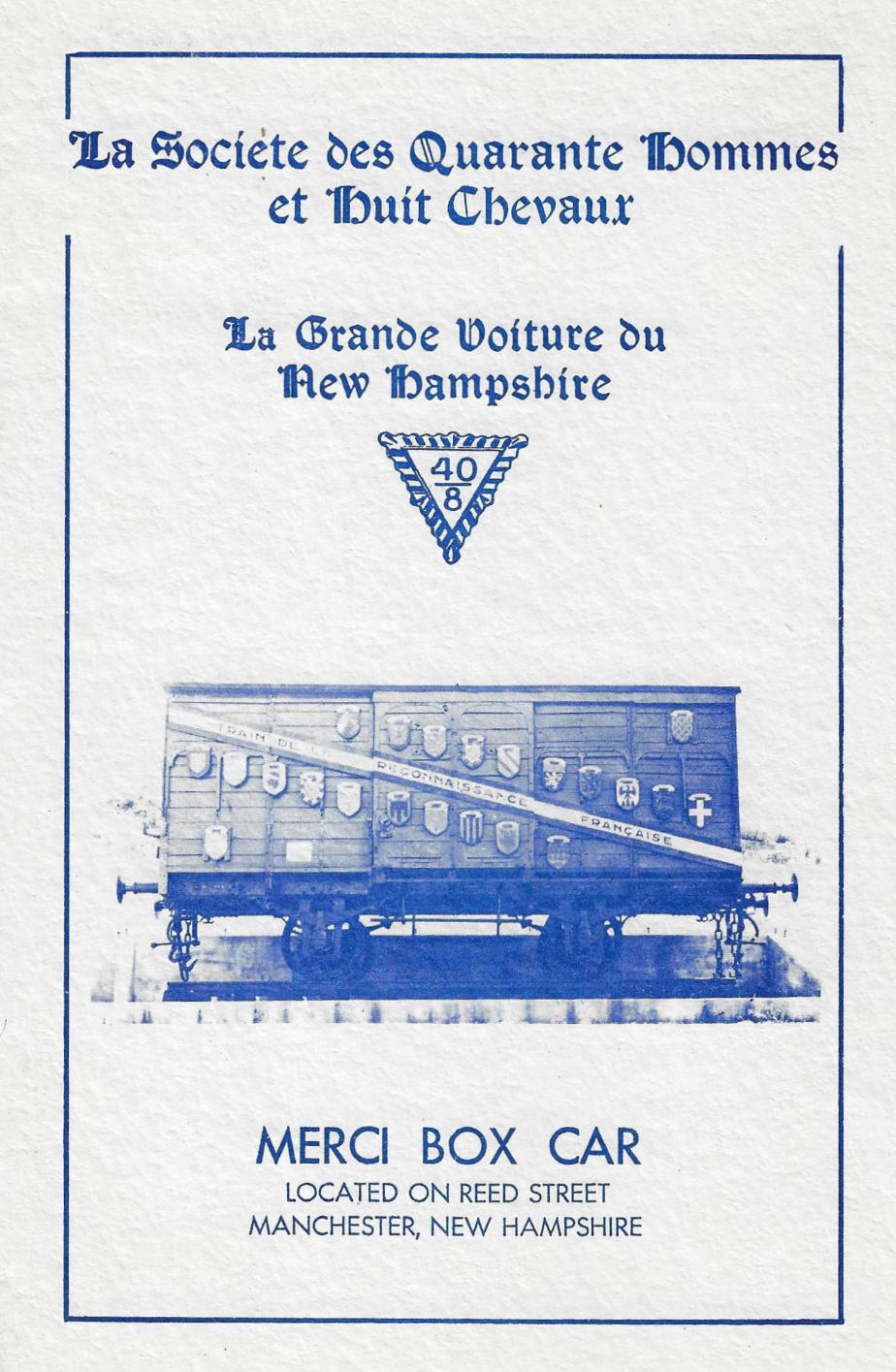
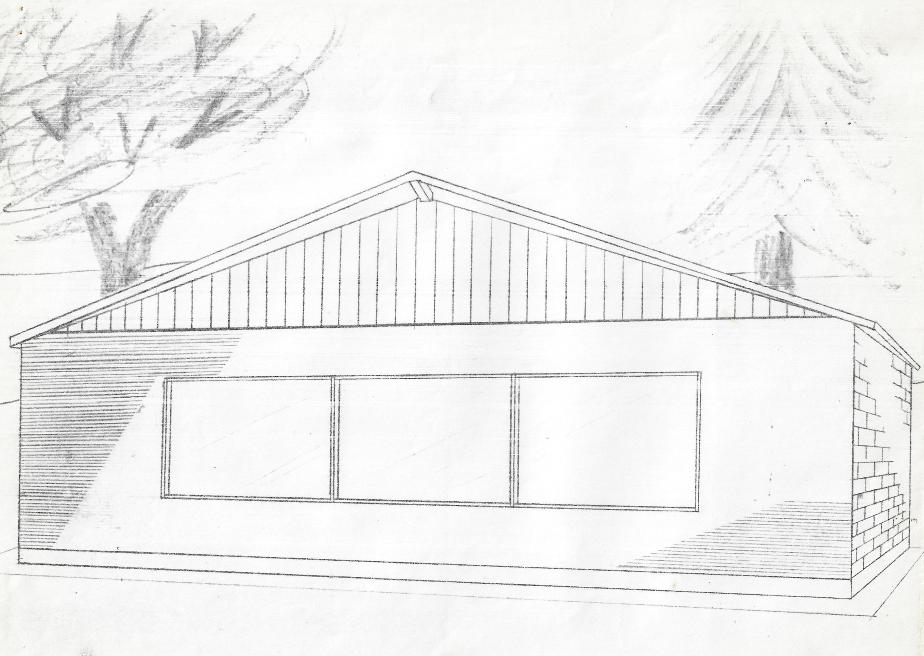
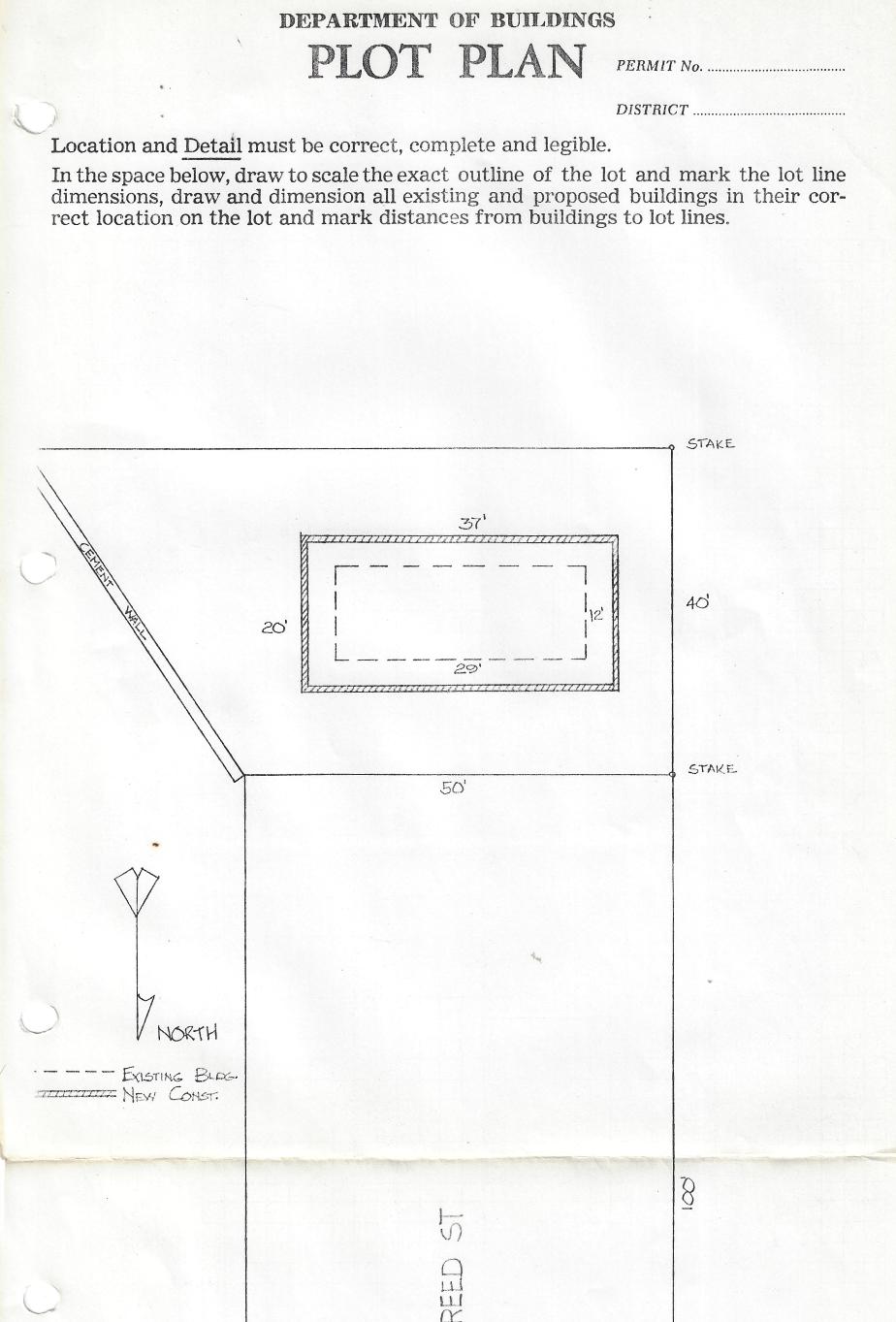
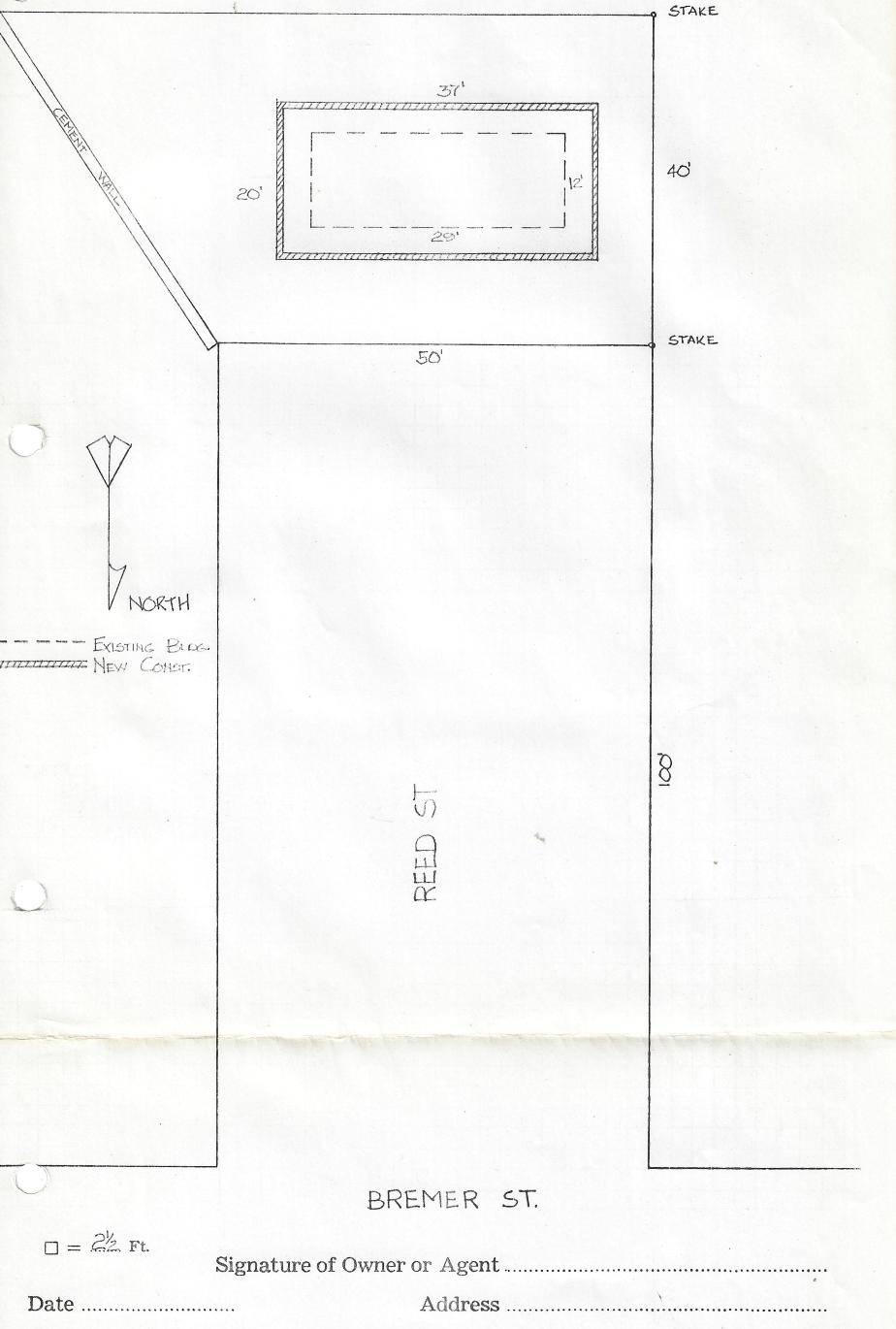
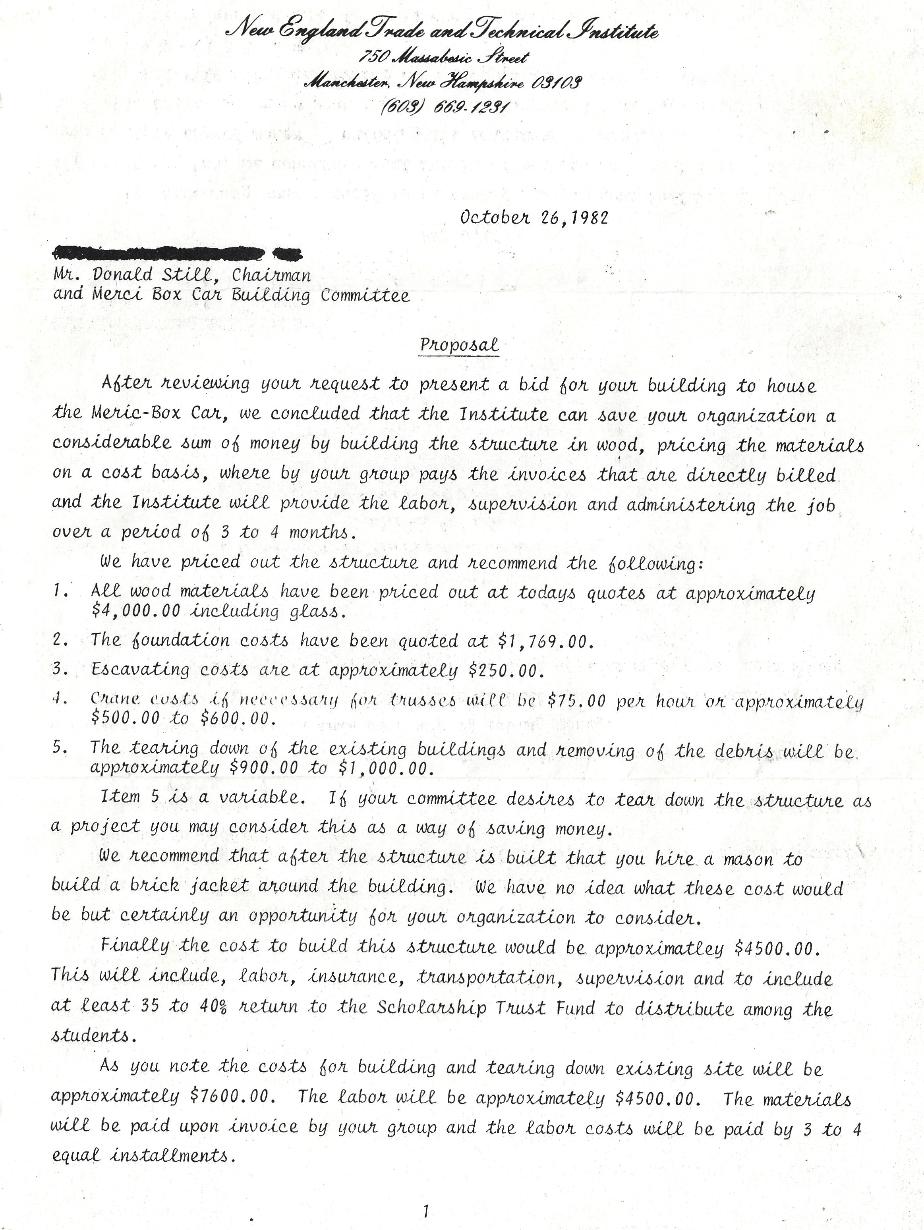
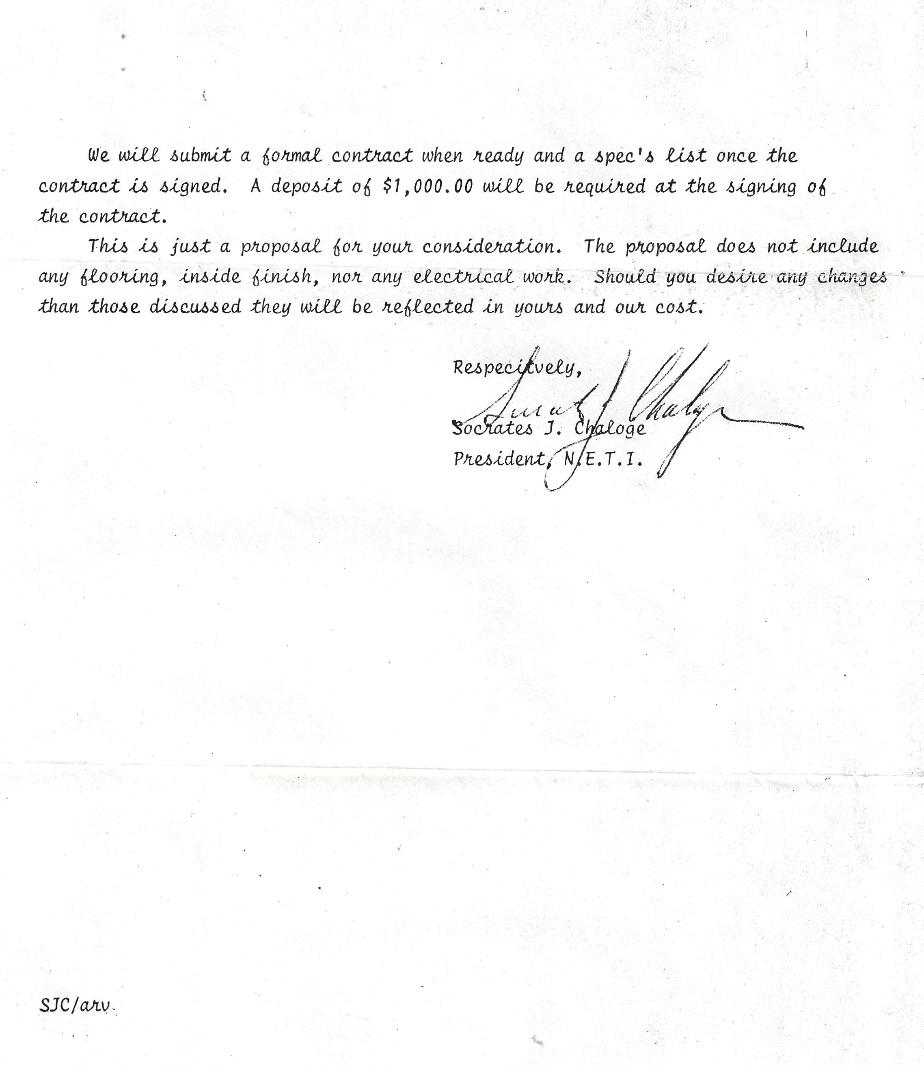
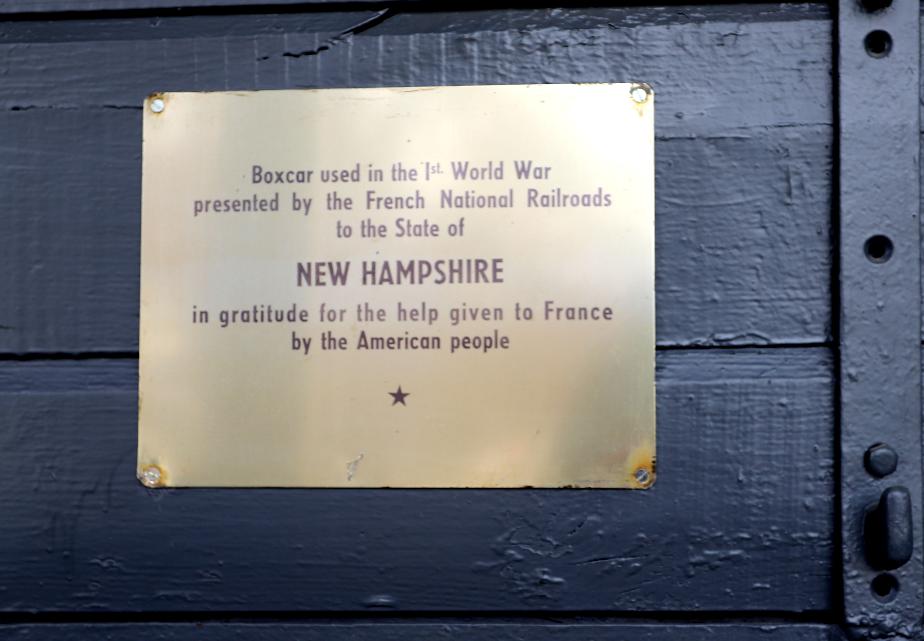
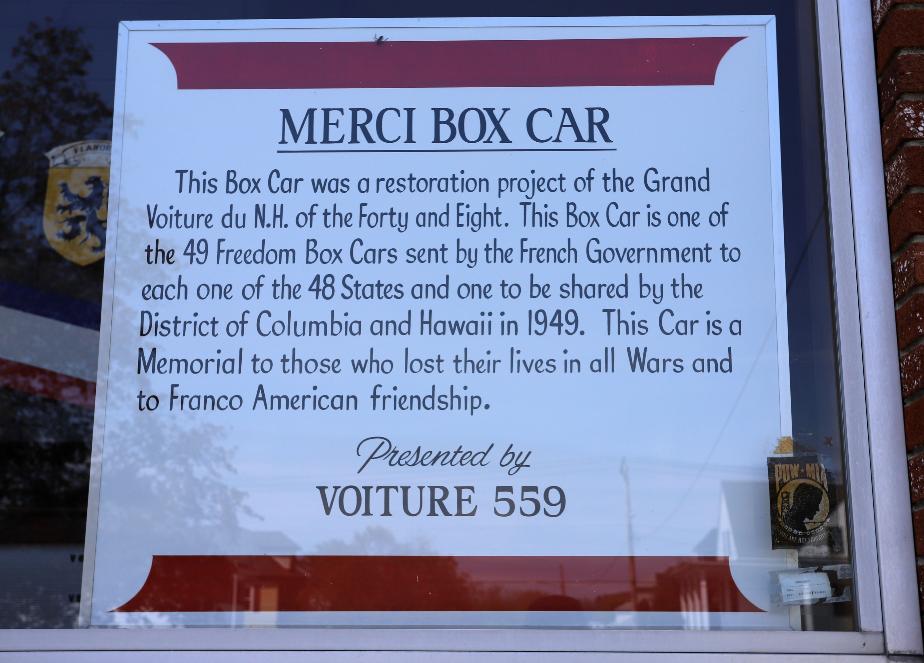
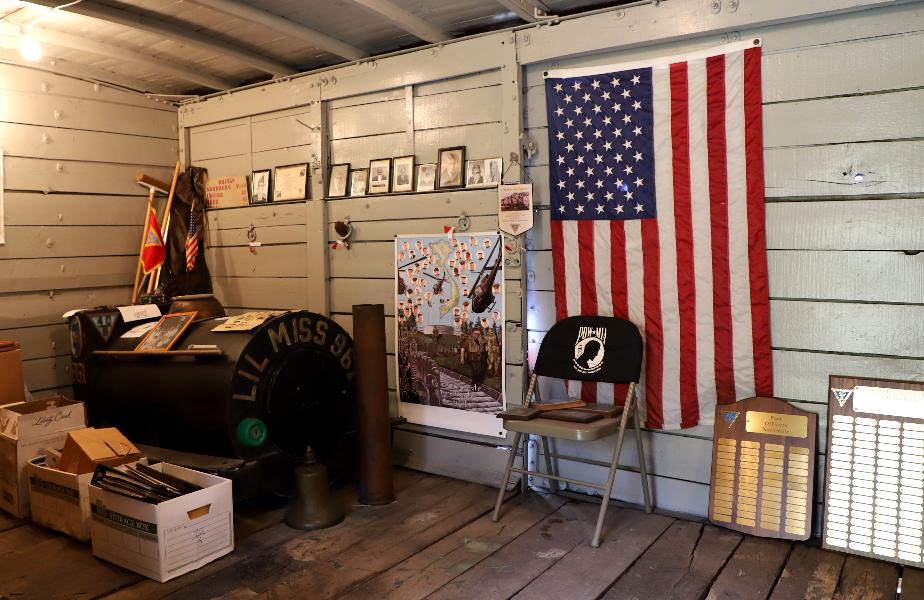
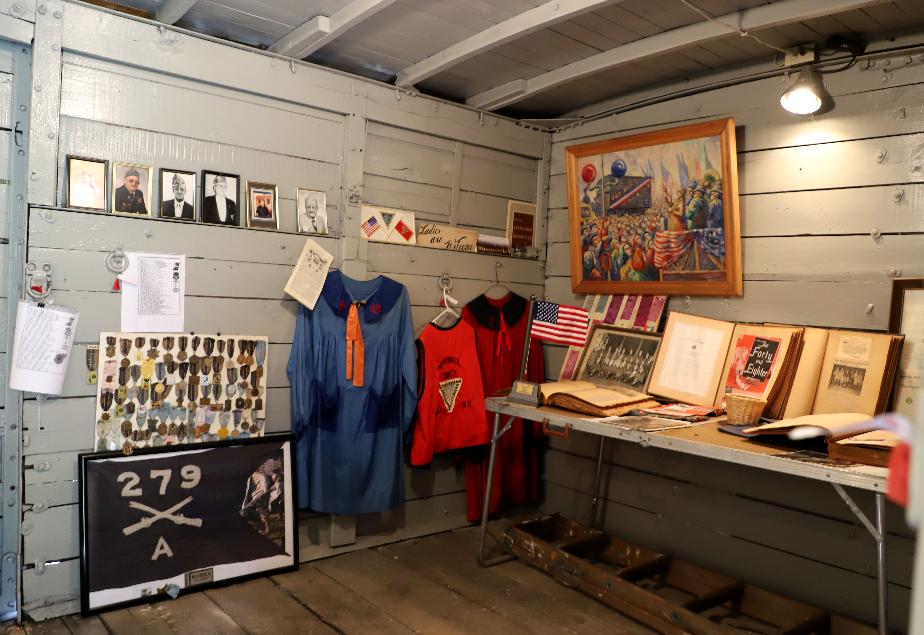
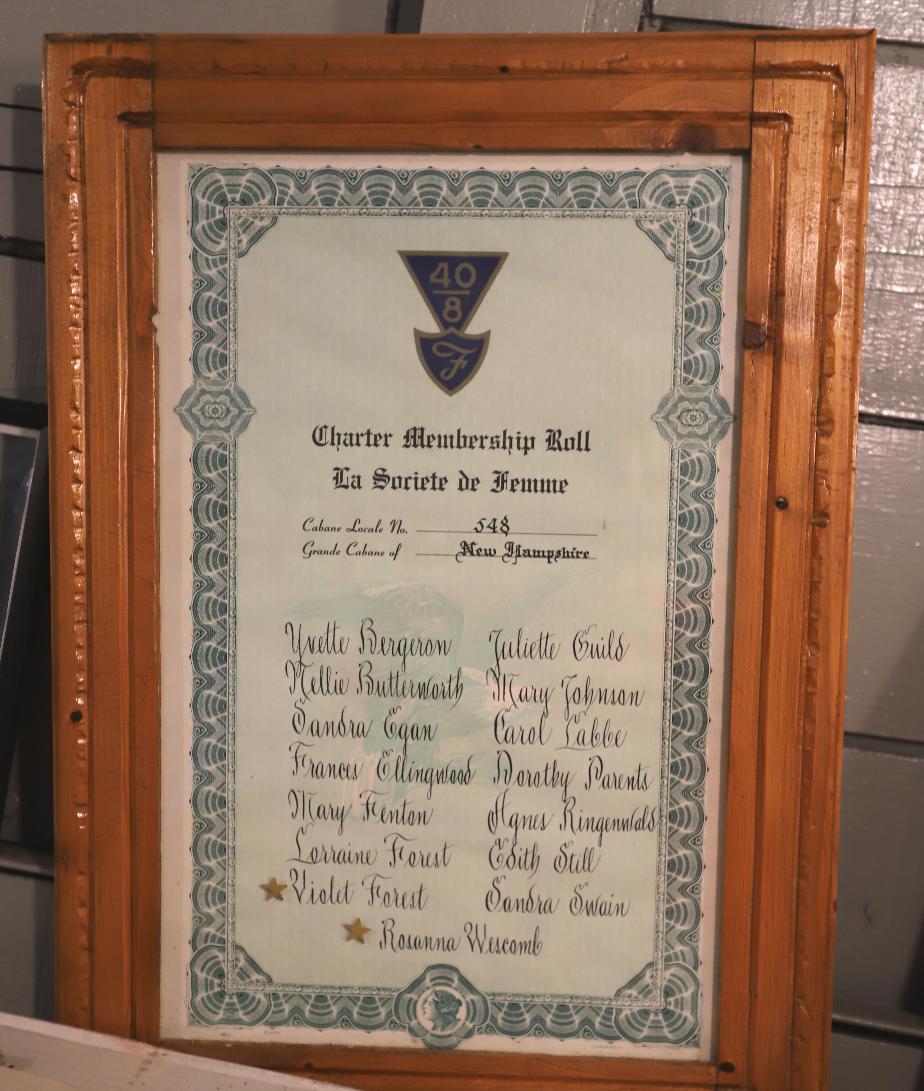
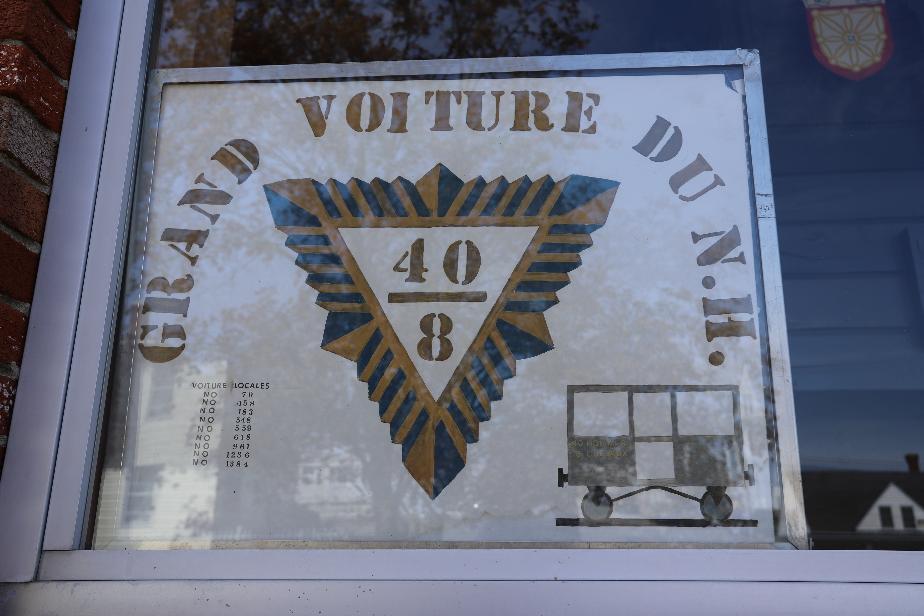
An all but forgotten memorial to American soldiers who died in France during the two world wars - The Merci Box Car - is getting a face-lift and veterans' officials hope the new look will renew interest in that priceless piece of history. The car - the same as those used to transport troops across France during both wars - is situated on Reed Street just off Bremer Street. Following World War II, 49 such box cars - one for each state and one for the District of Columbia - were sent to the United States by the French Governments its way of saying "thank you" for this country's assistance in the wars. The cars were meant as memorials to Americans who fought and died on French soil in defense of world freedom. There are less than 35 of these cars still in existence, The facelift, which involves the rebuilding of the structure which houses the car, is being completed by the New England Trade Institute with financing from the St. Mary's Bank. Additionally, the Grand Voiture du New Hampshire 40 & 8, which is responsible for the memorial, has given a $5,000 scholarship to the Institute. "The car itself is still in good condition," said Don Still, a 40 & 8 official, "but the house surrounding it fell into disrepair over the years and we voted last October to have it rebuilt. We approached the N.E. Trade Institute for help and students were assigned to rebuild the structure as a school project. "We hope the new building, which will be completed in a few weeks - will renew interest in the car," said Still. "A lot of people have forgotten about it over the years and that's a shame because it's a true memorial to those who died in battle."
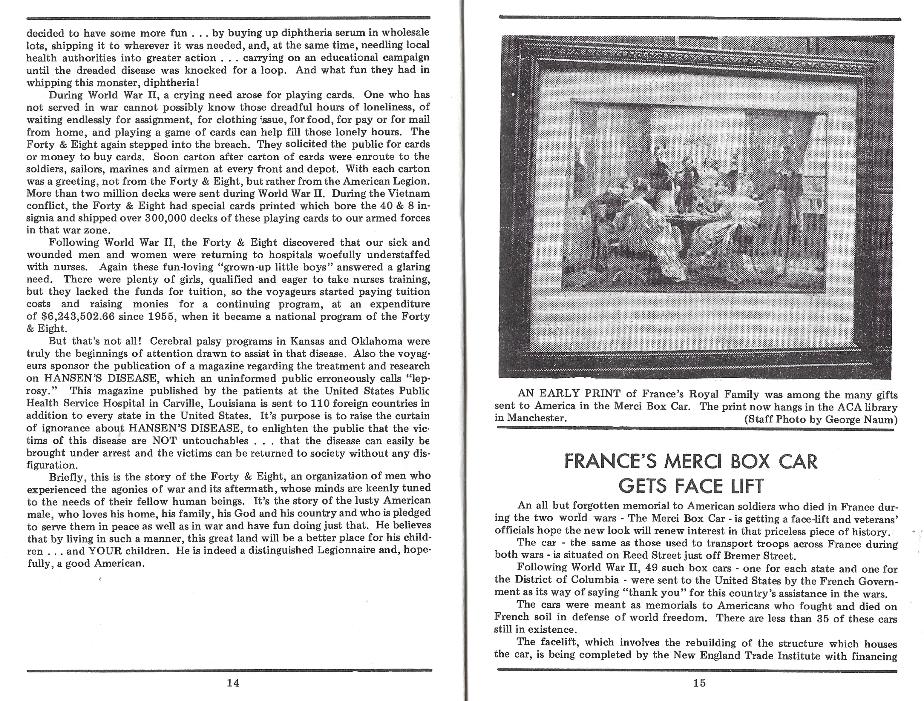
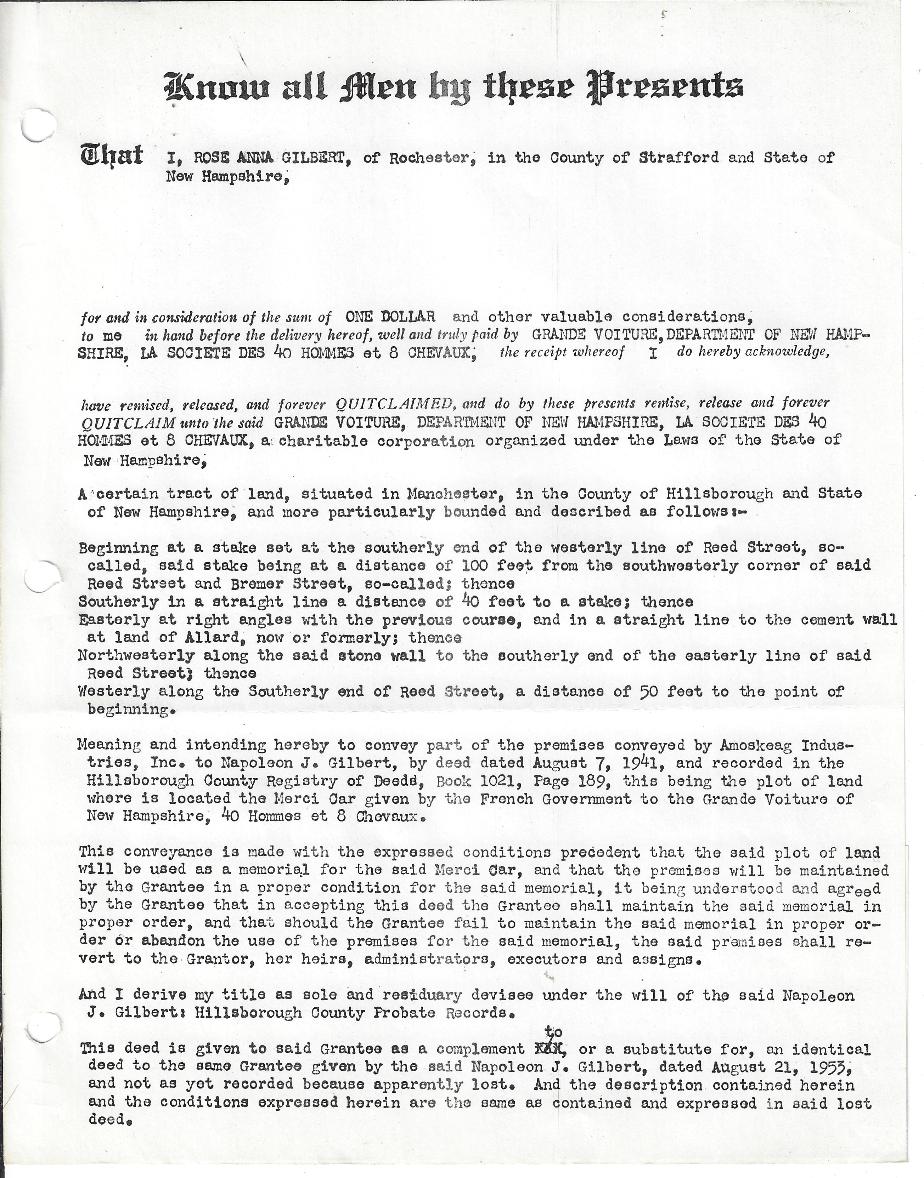
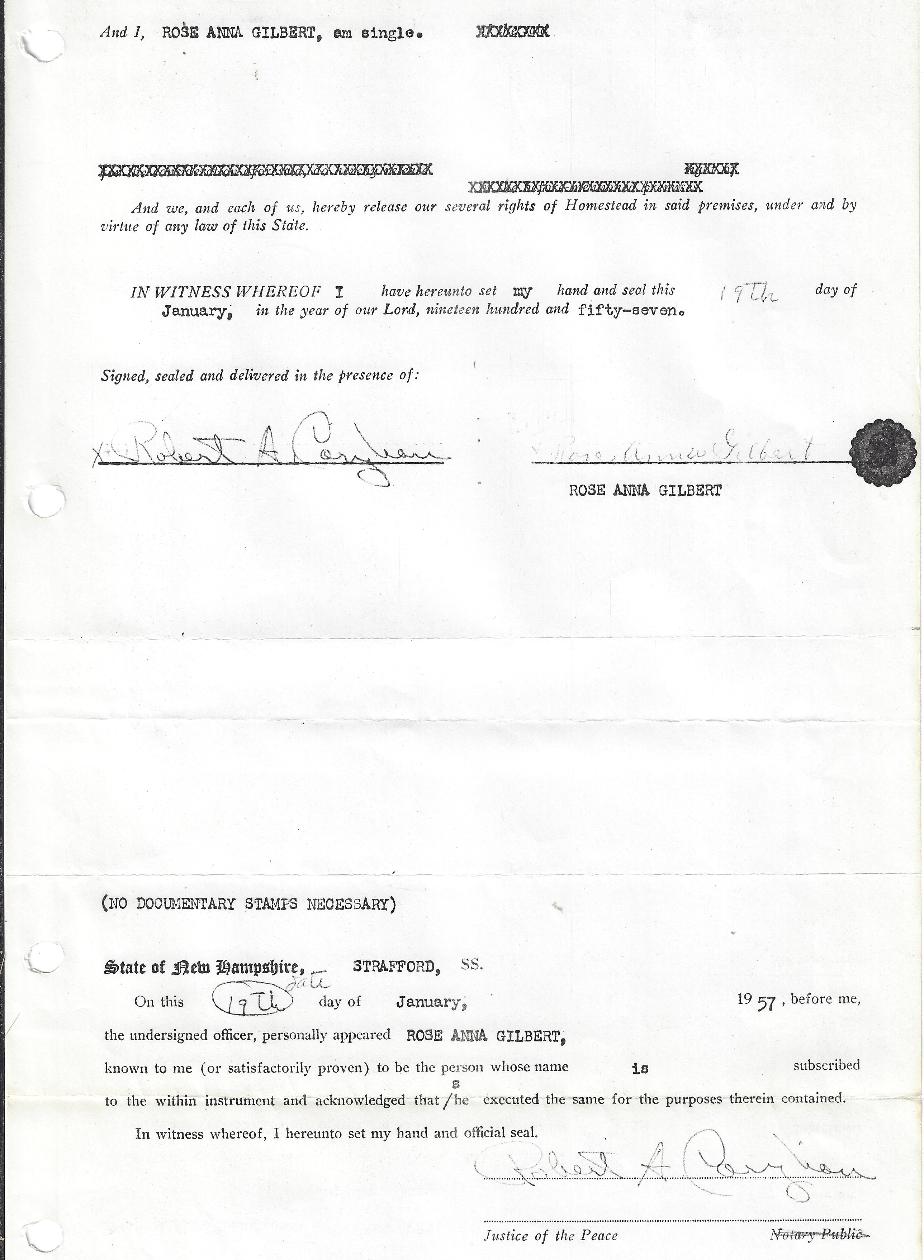
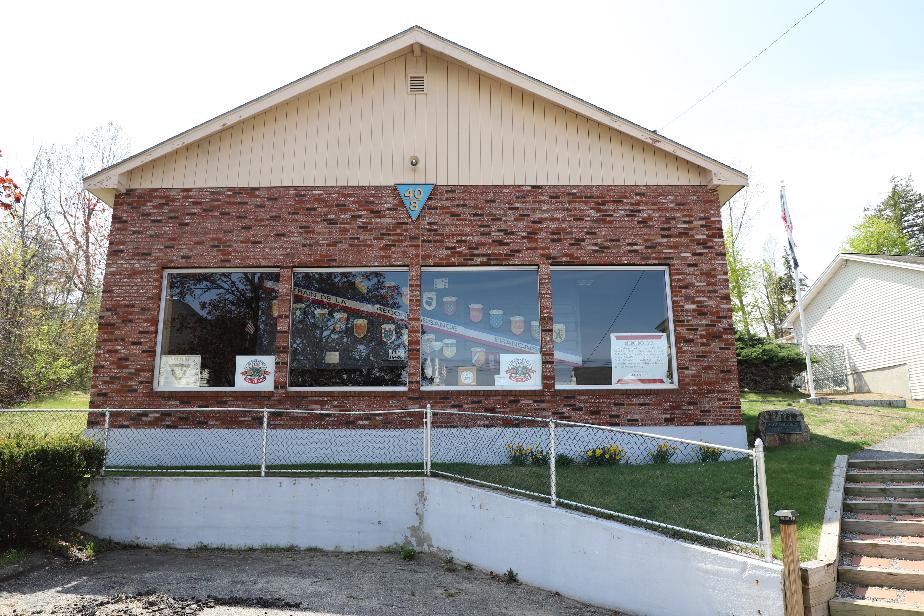
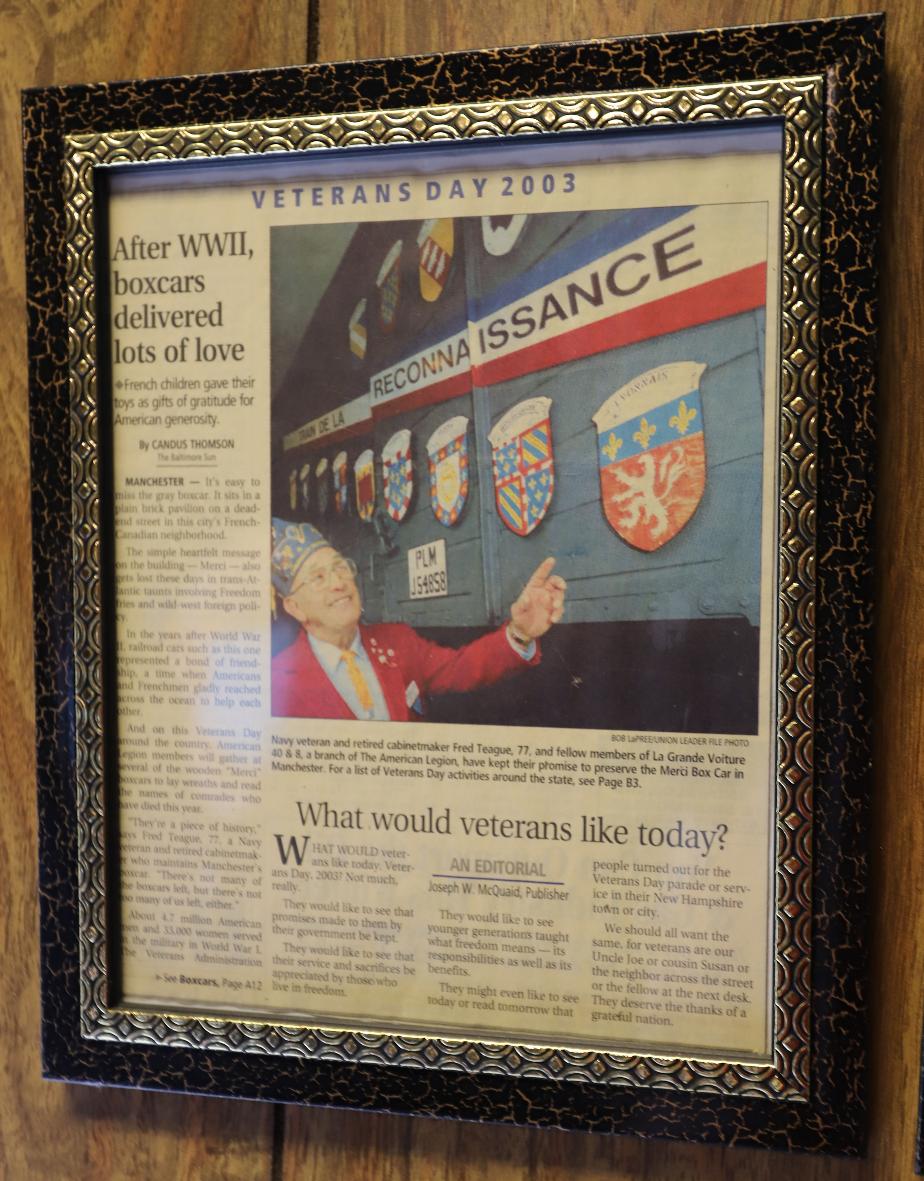
Each September, Still said, 40 & 8 members gather to commemorate those who died and 'to read the names of the Grand Voiture du New Hampshire 40 & B during the previous year, Prior to shipment, each car toured France and villagers were encouraged to place gifts and mementos in them for distribution to the American people. The cars came laden with gifts that ranged from now priceless china to a small piece of paper with a child's inked handprint on it. Other gifts included handmade lace, clothing, dolls, wines and cheeses, expensive perfumes, paintings, money, American, German and French weapons taken from the battlefields, snapshots of families - some with American soldiers - and a multitude of other items. Although the whereabouts of most of the gifts are unknown, at least two paintings from the train are hanging in the library of the Association Canado-Americaine in Manchester and a prominent Queen City French' family was given one of the china vases from the train. The cars arrived in the late 1940's and the Granite State's car was taken to Concord where it remained until 1953 when it was given to Manchester at the request of the Grand voiture du New Hampshire of the 40 & 8 which promised to enshrine it and hold regular services at its site to keep its memory alive. A local church donated the Reed Street plot. "The car is empty now," said Still, "but we still hold an annual ceremony at the site as promised in 1953." The car, which still bears the coats-of-arms of the then 40 French provinces, may be viewed at' anytime by the public. Although the doors to the structure surrounding the car are generally kept locked, there are a number of large viewing windows.
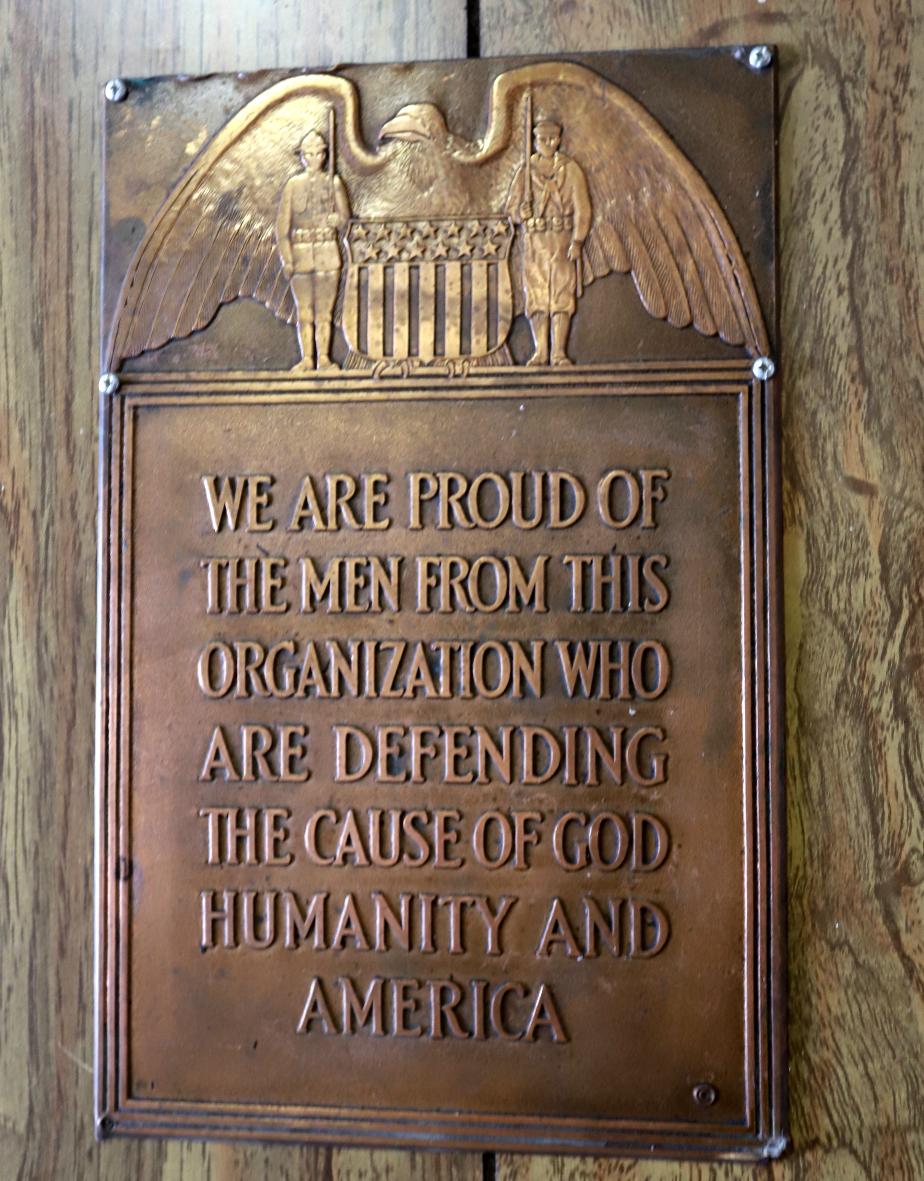
The words shown above in a Historical Document - NH American Legion 40 & 8
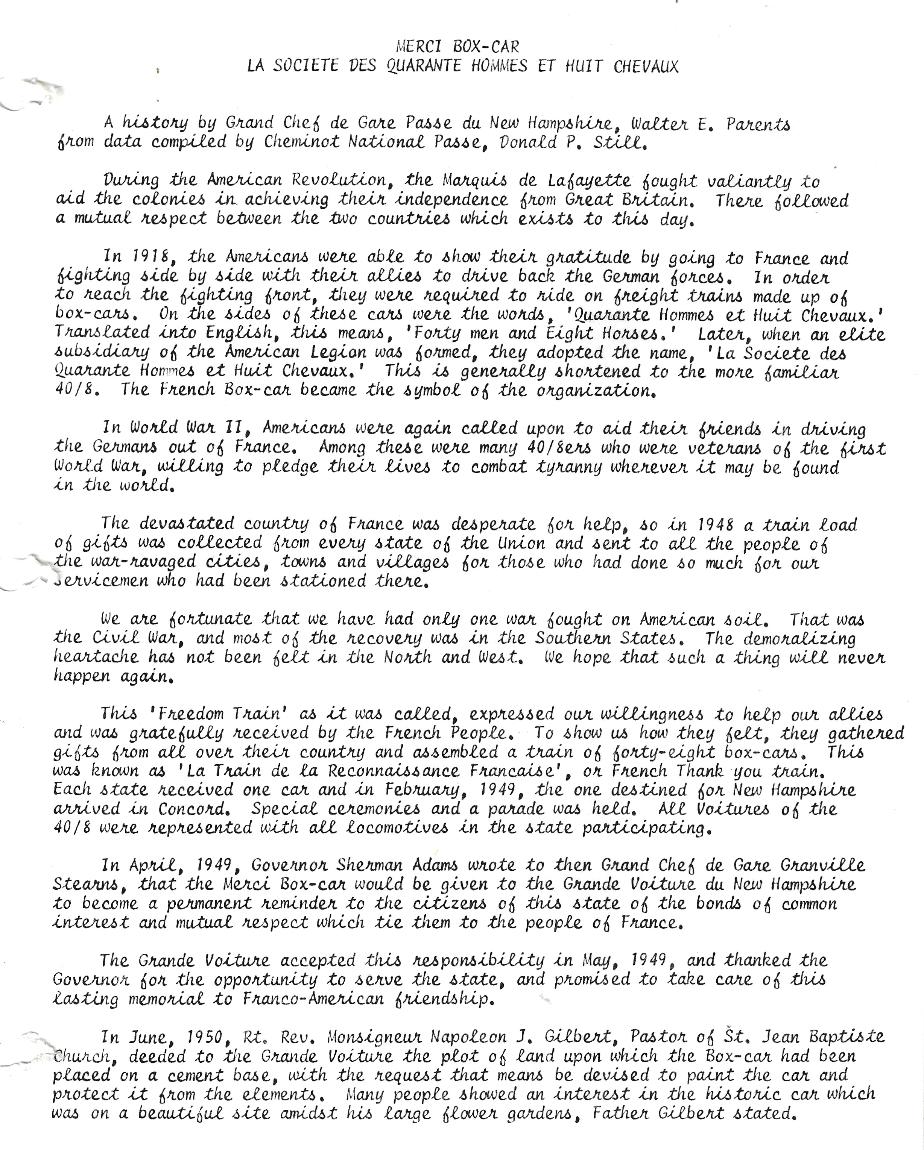
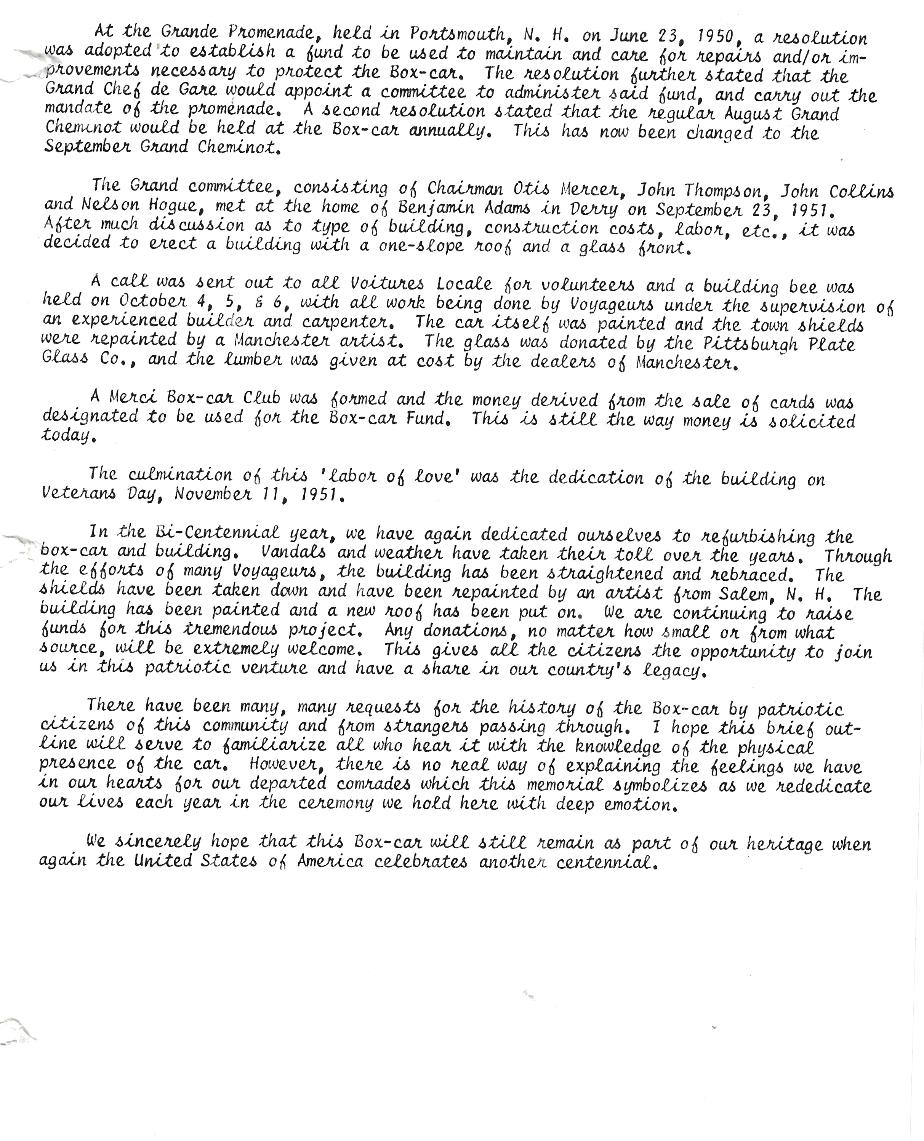
New Hampshire Merci Train History - 1970s
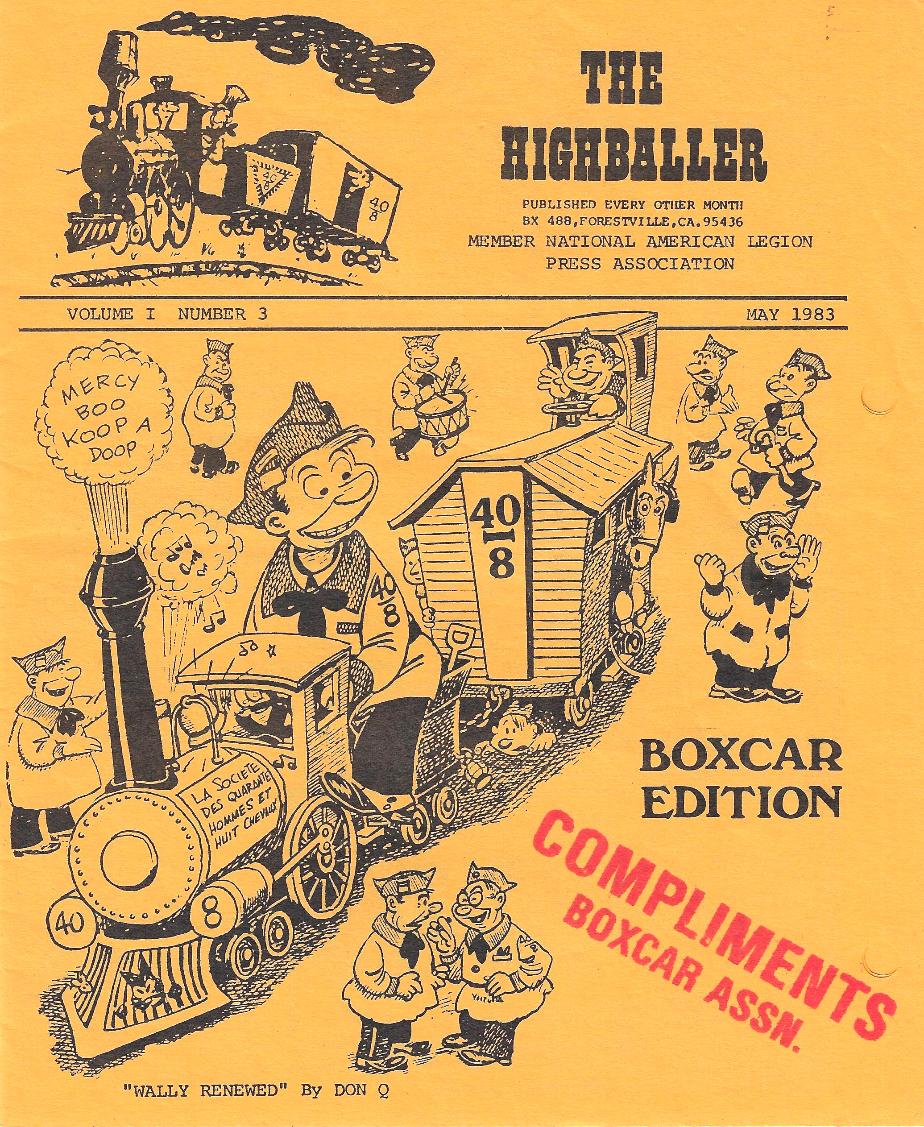
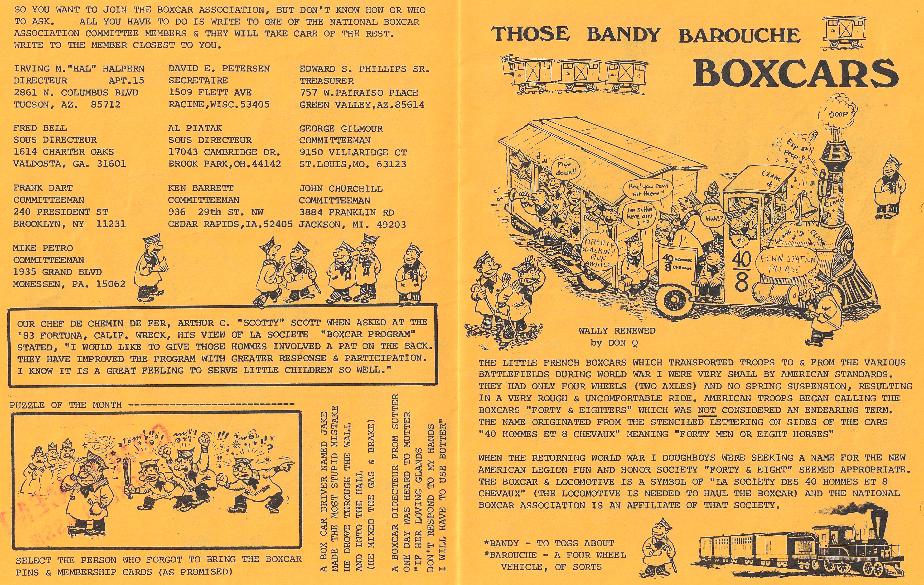
The Highballer Magazine - May 1983
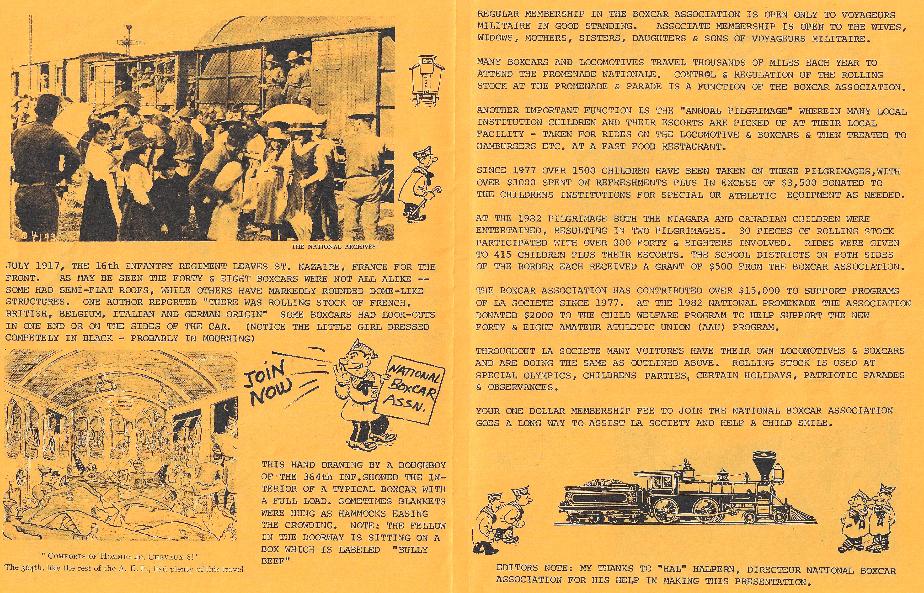
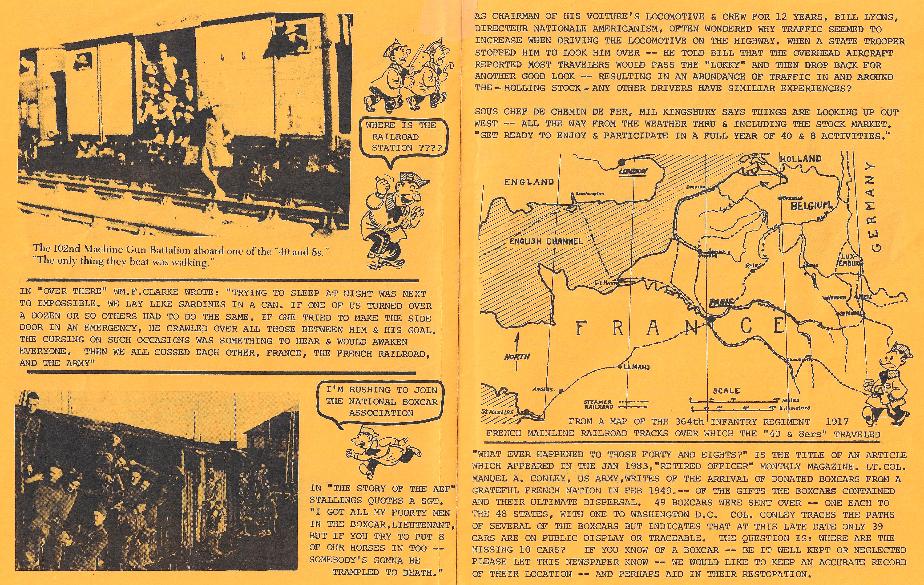
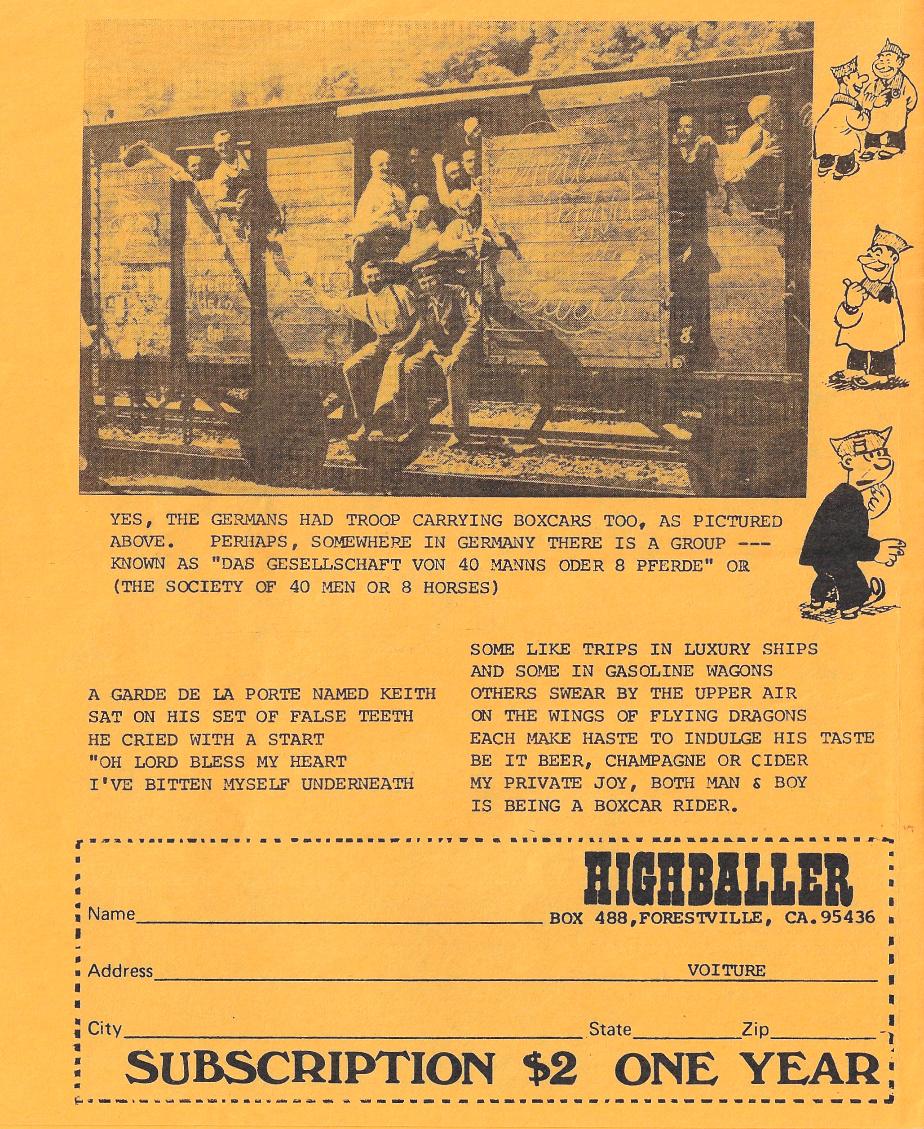
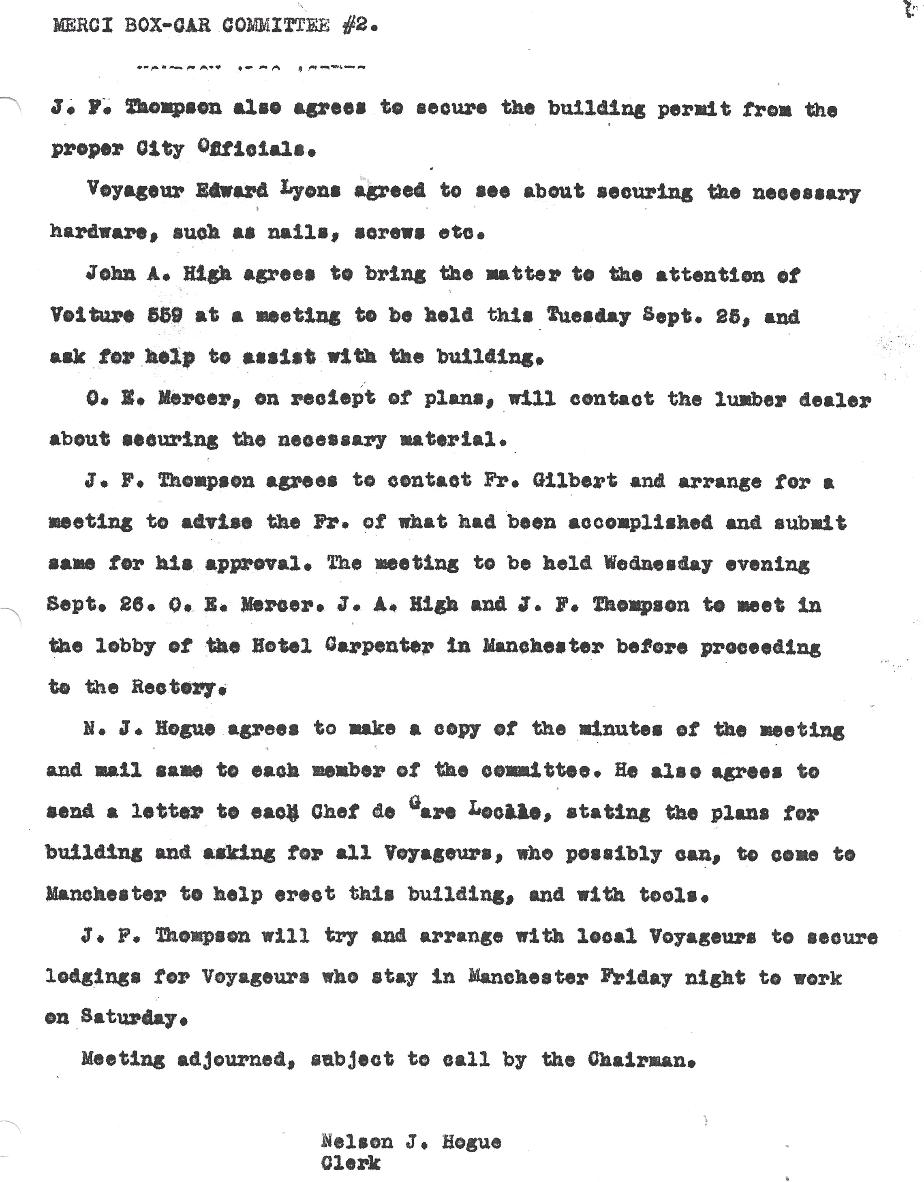
Merci Car Building Planning - 1951
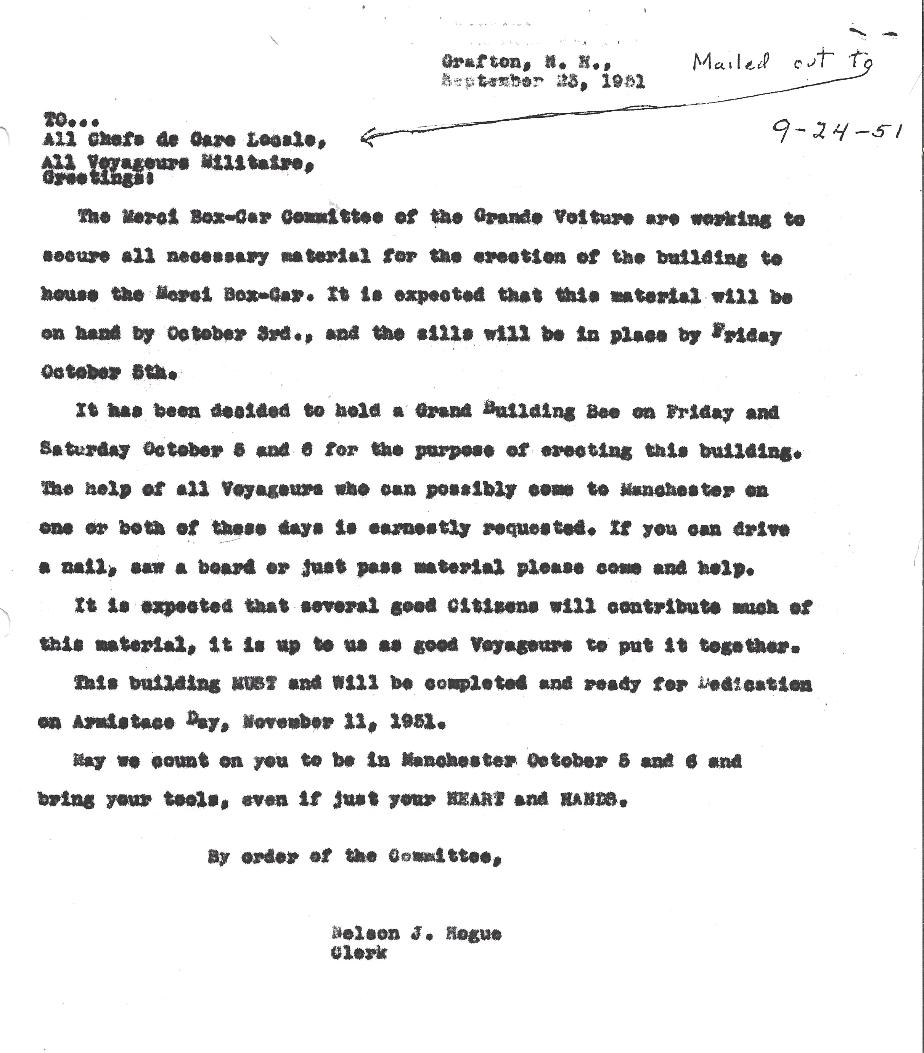
40 & 8 Merci Train - Reed Street Manchester - Building Renovation 1982
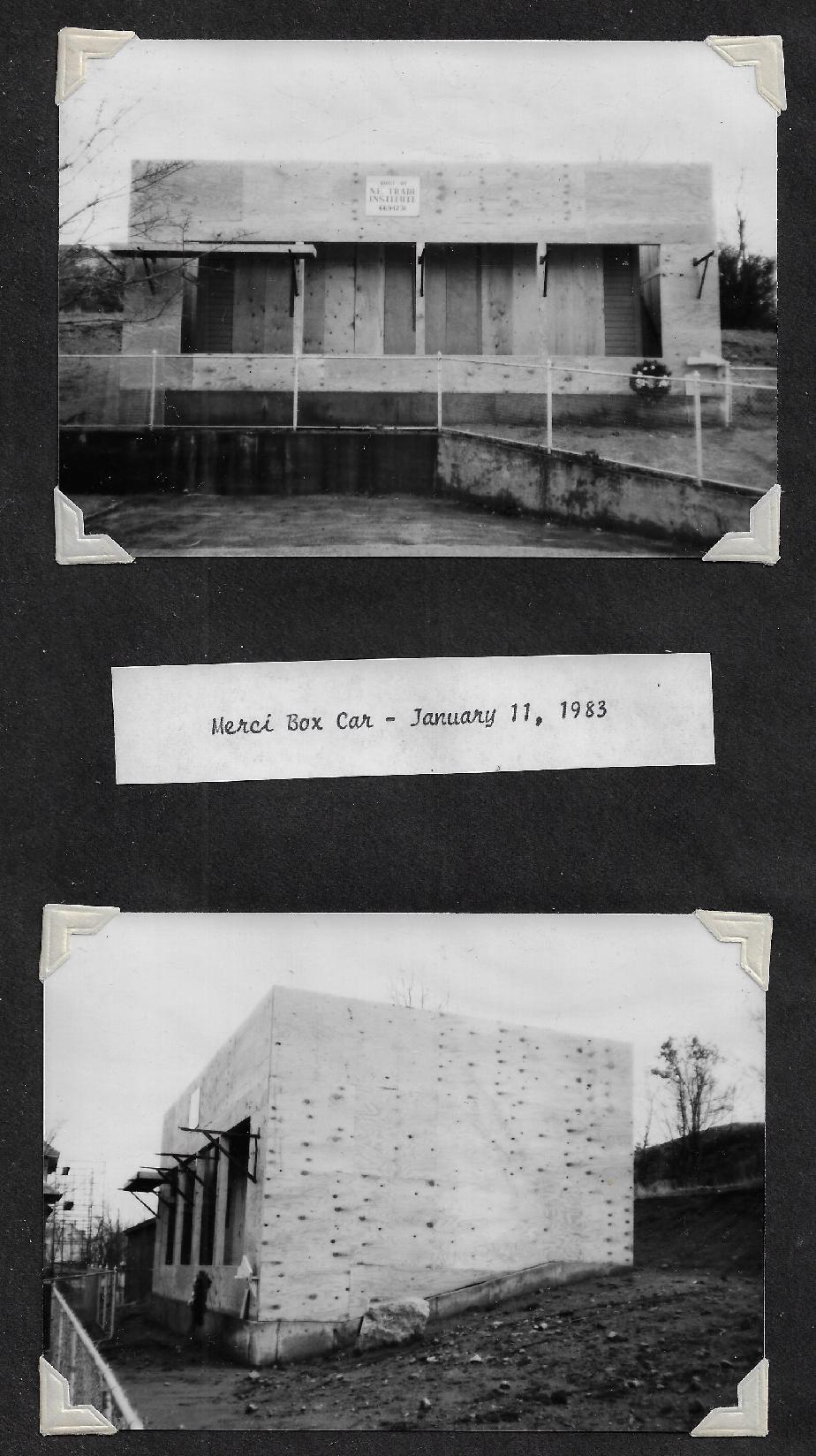
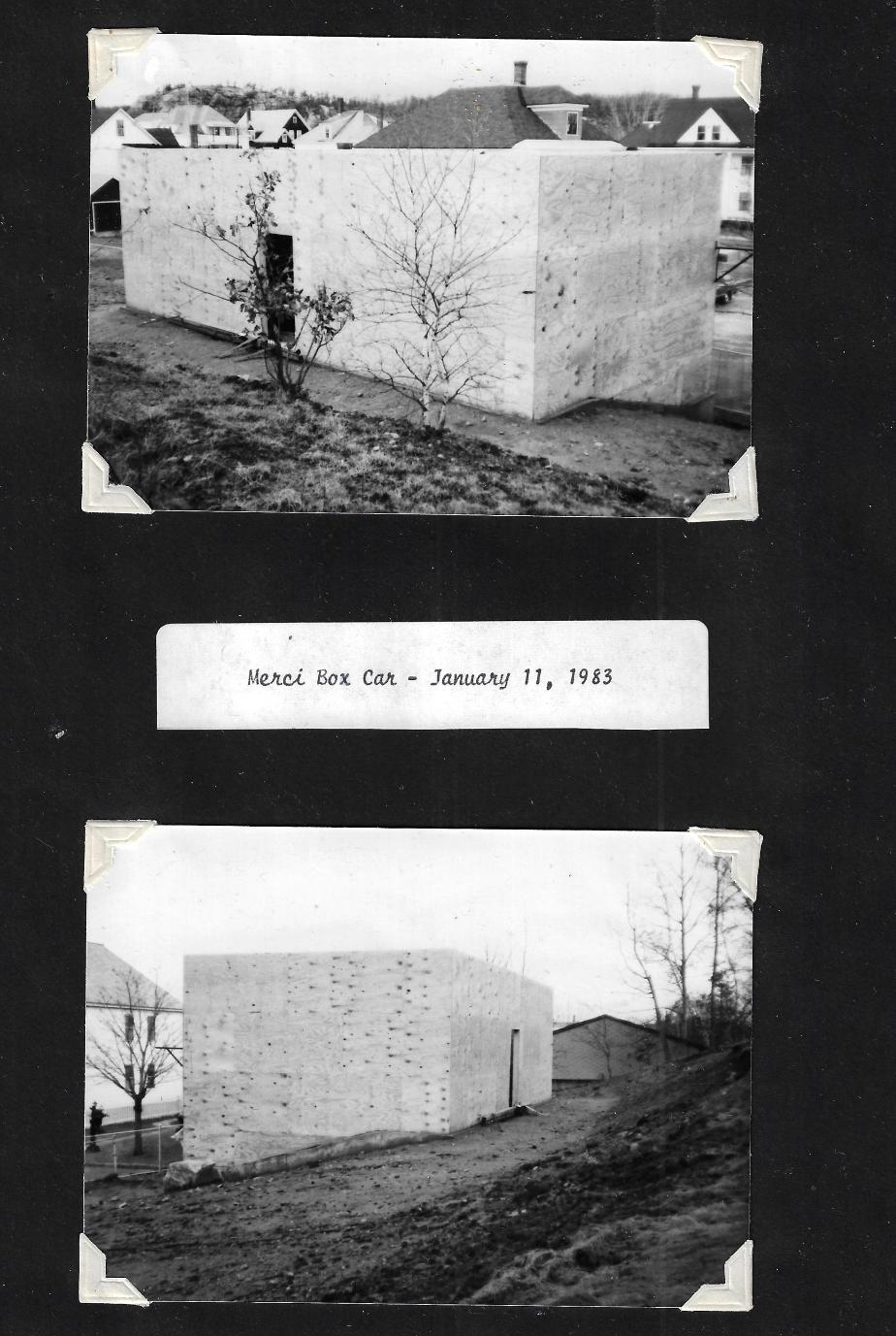
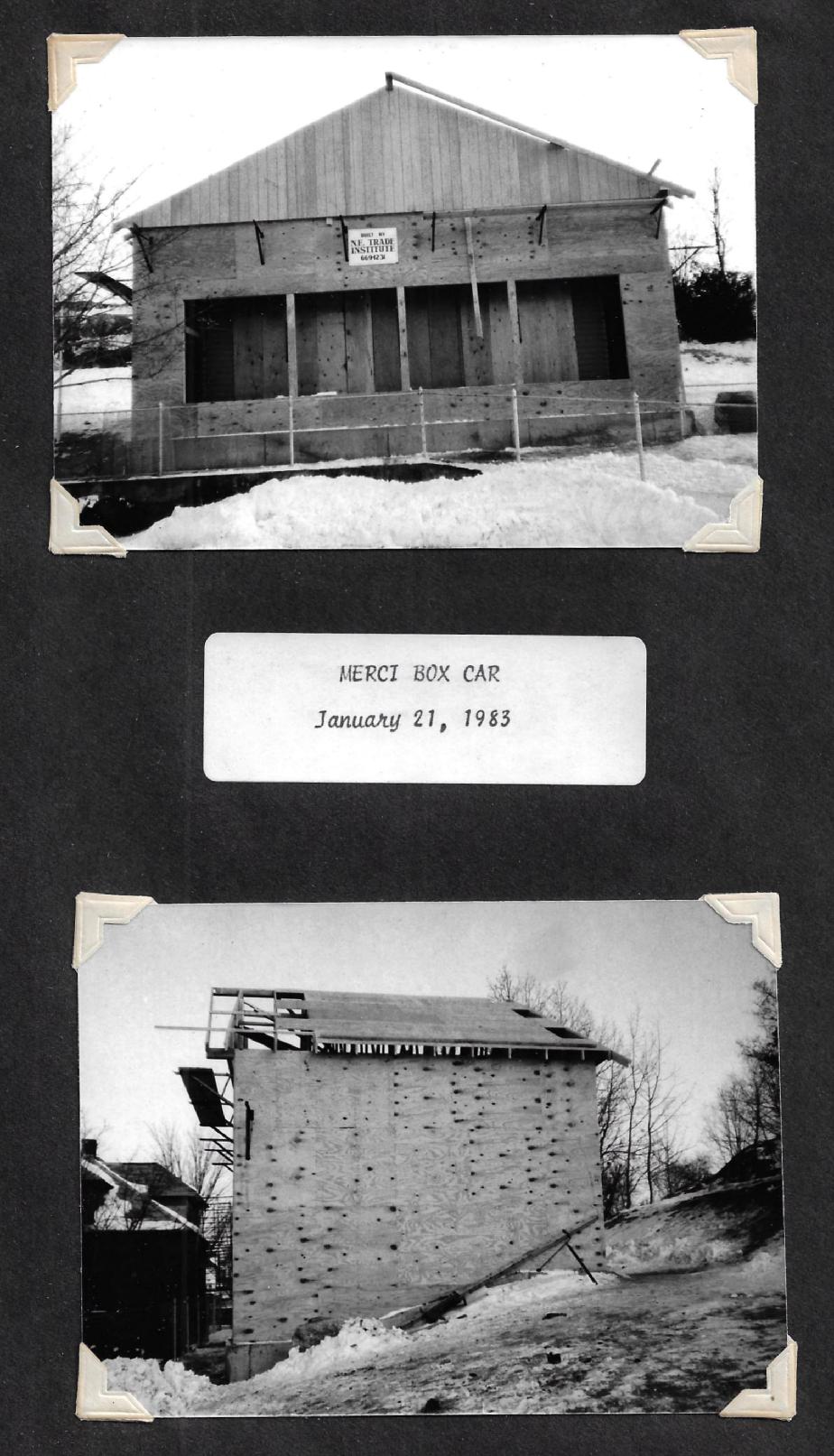
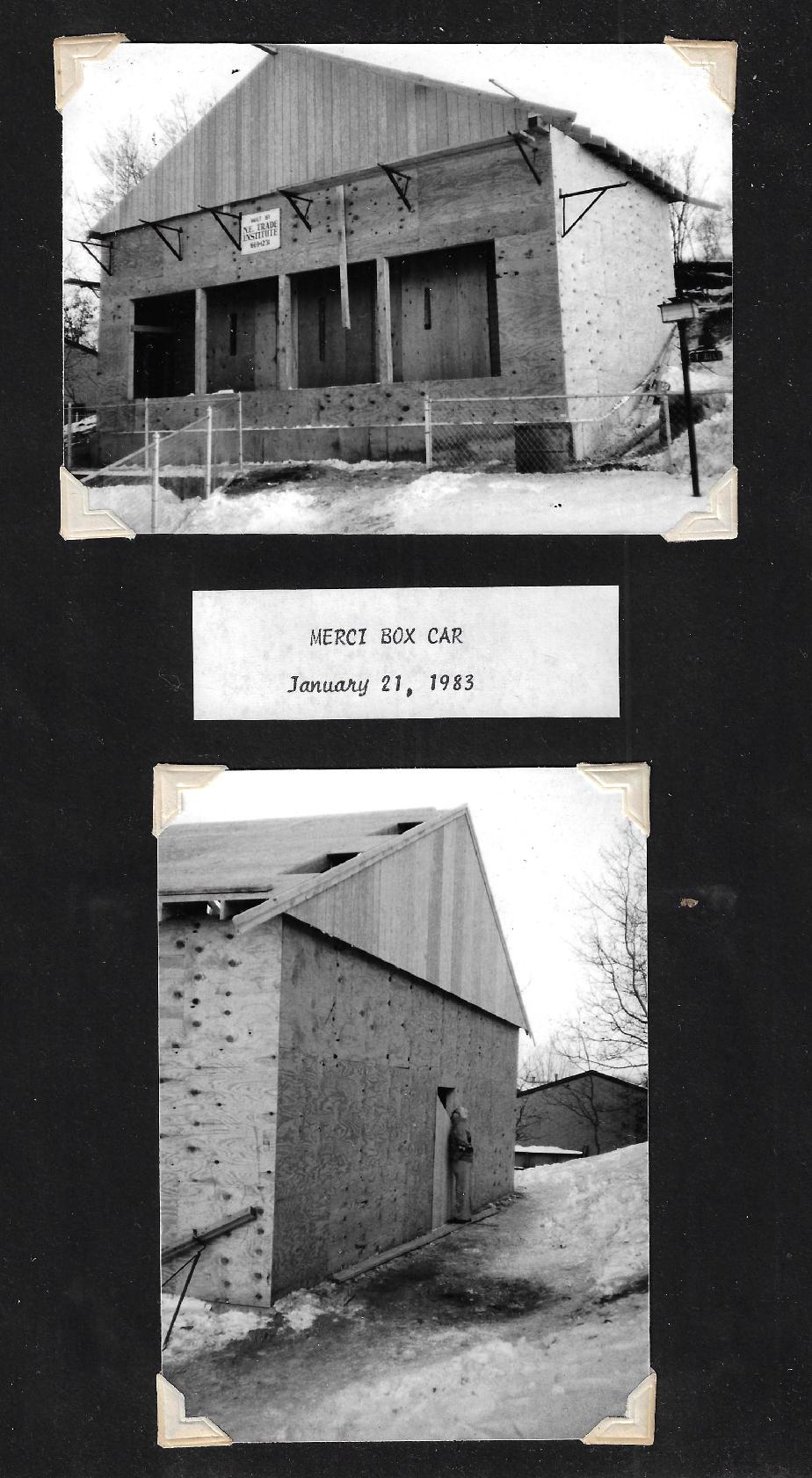
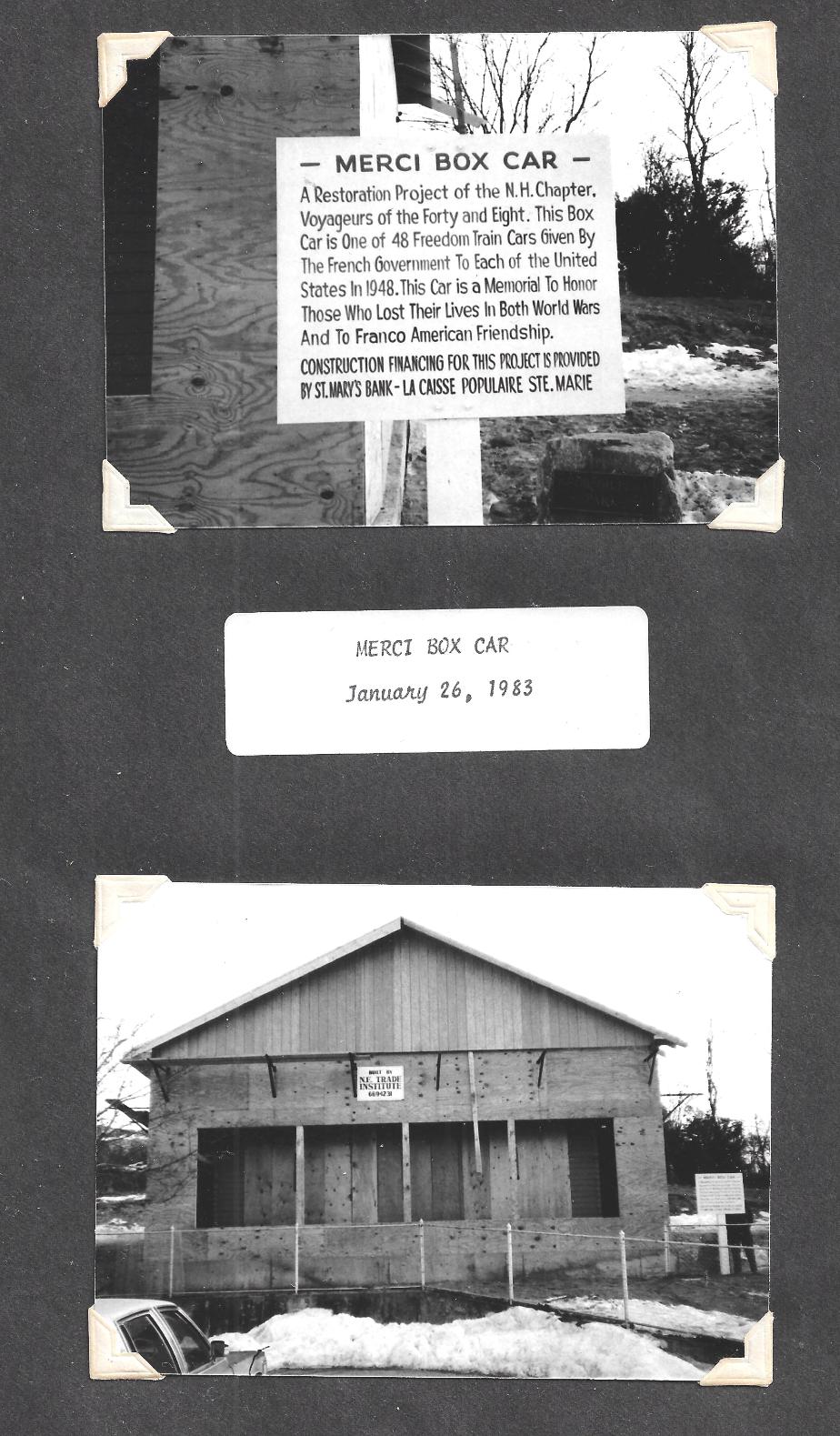
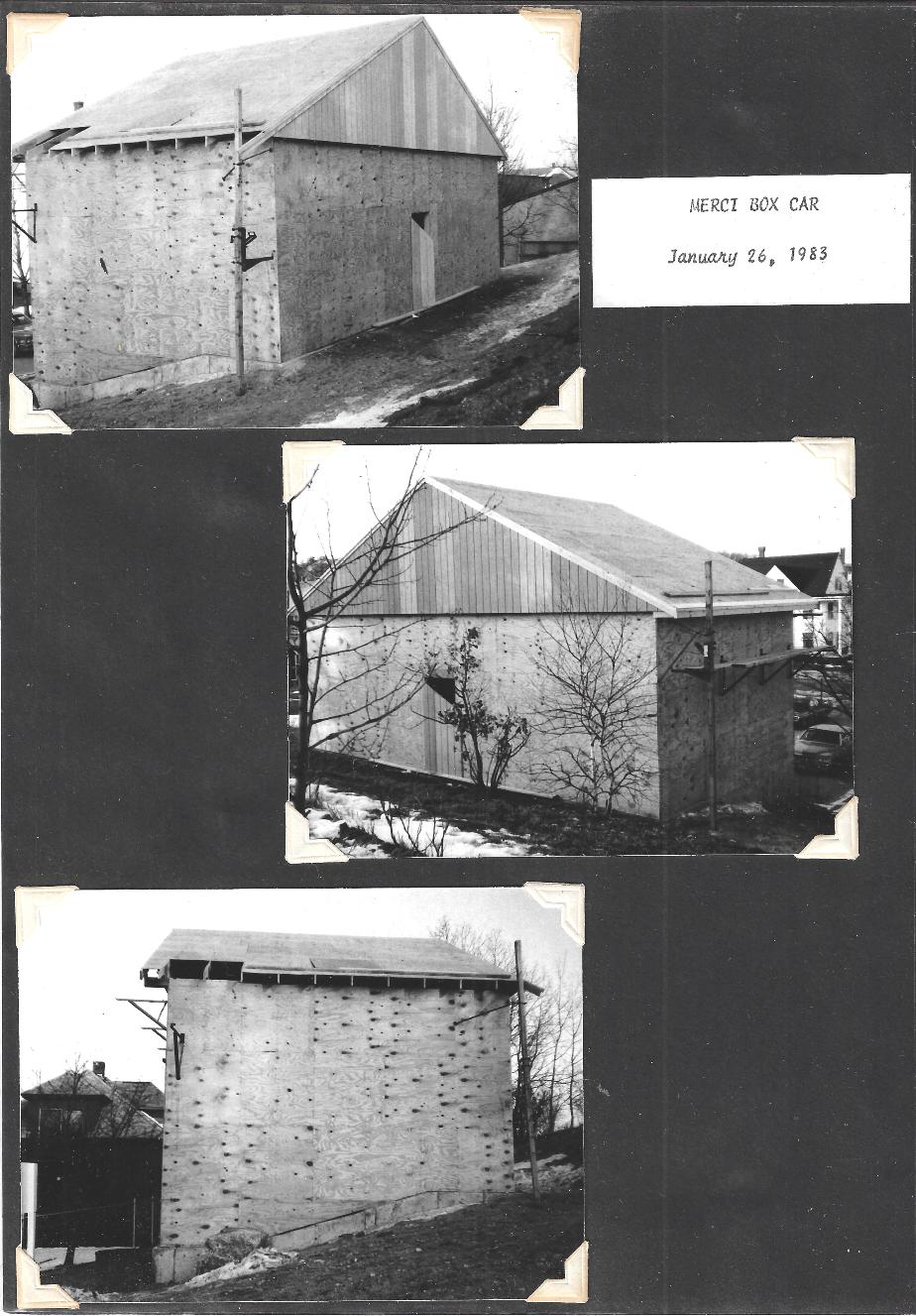
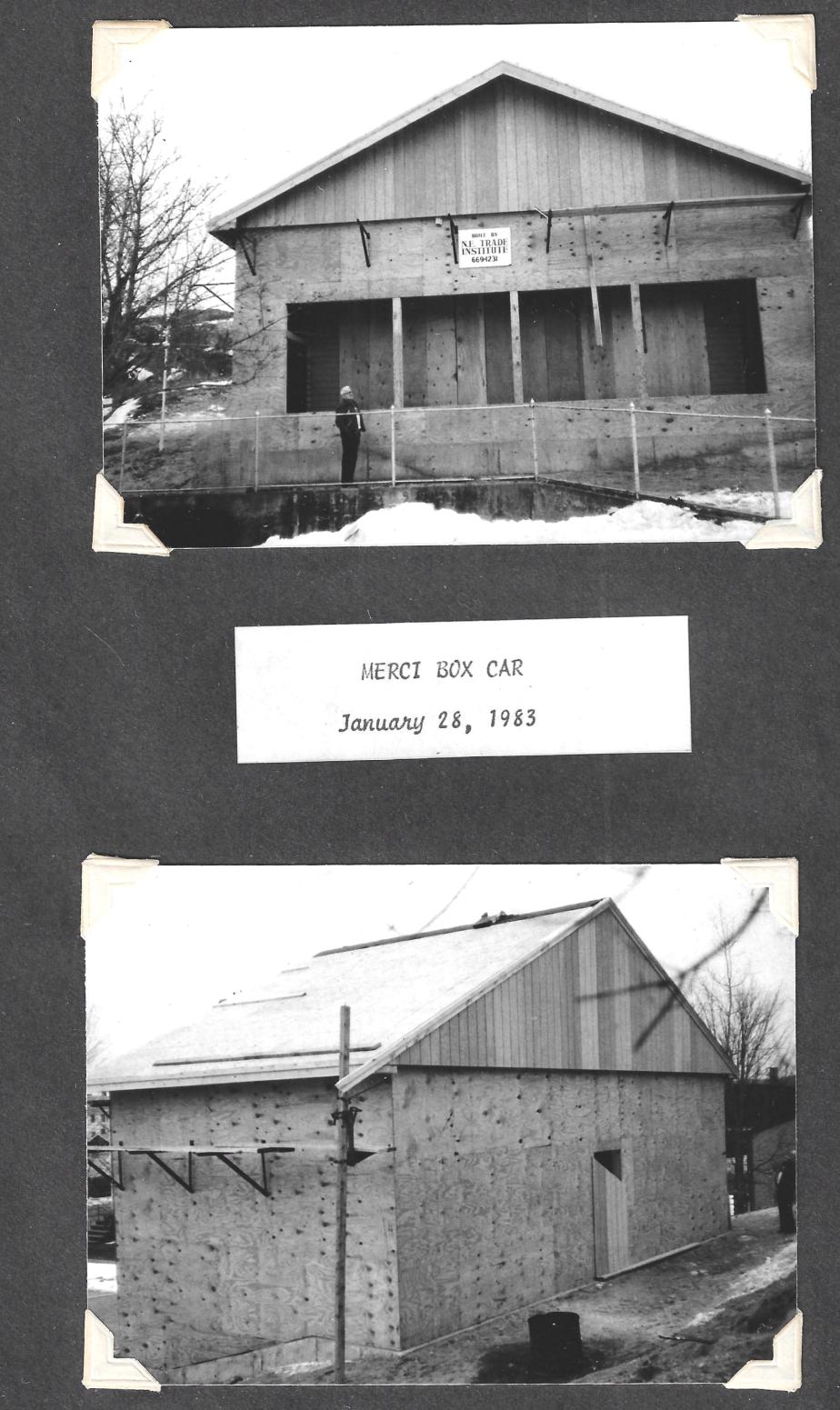
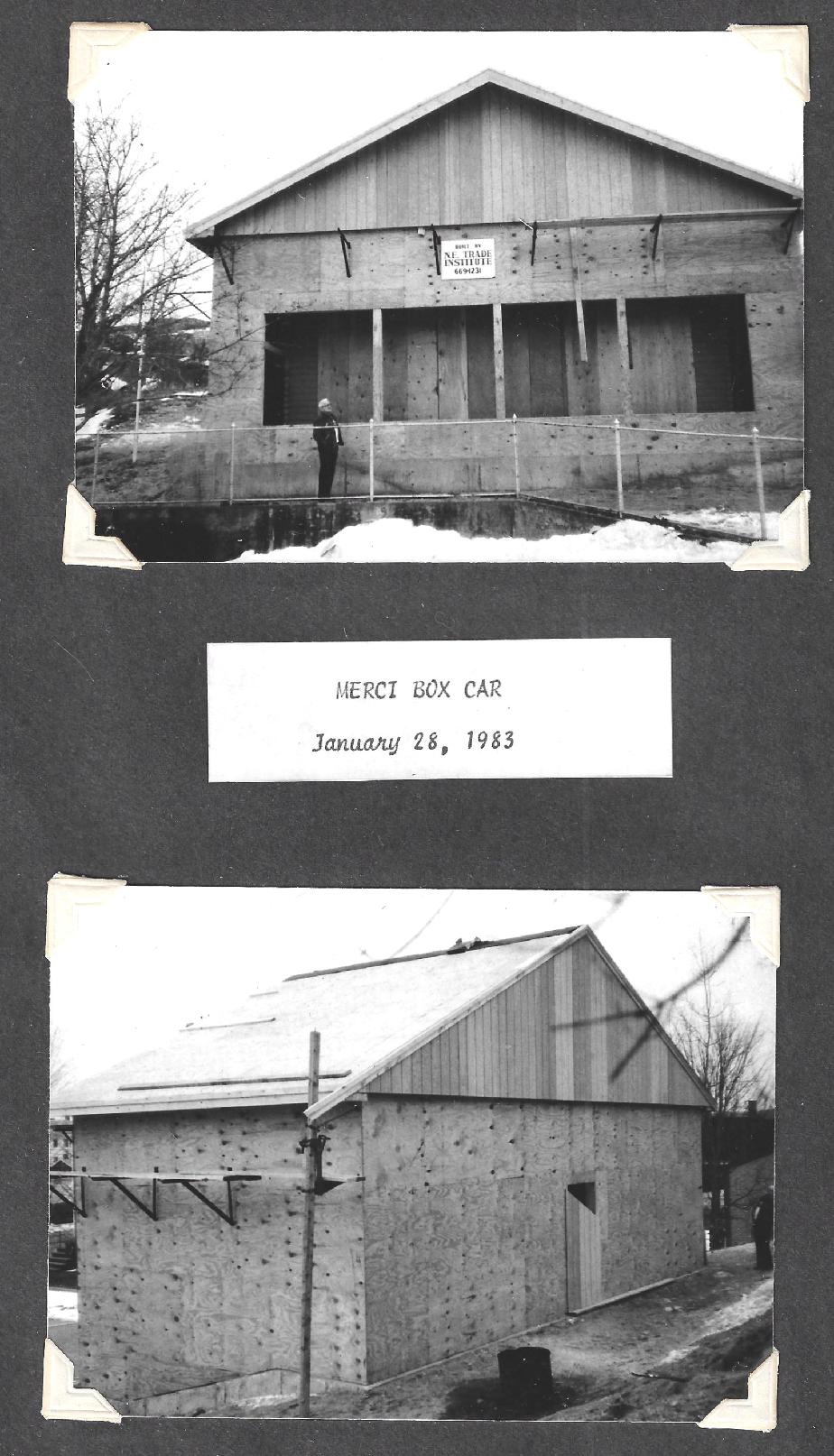
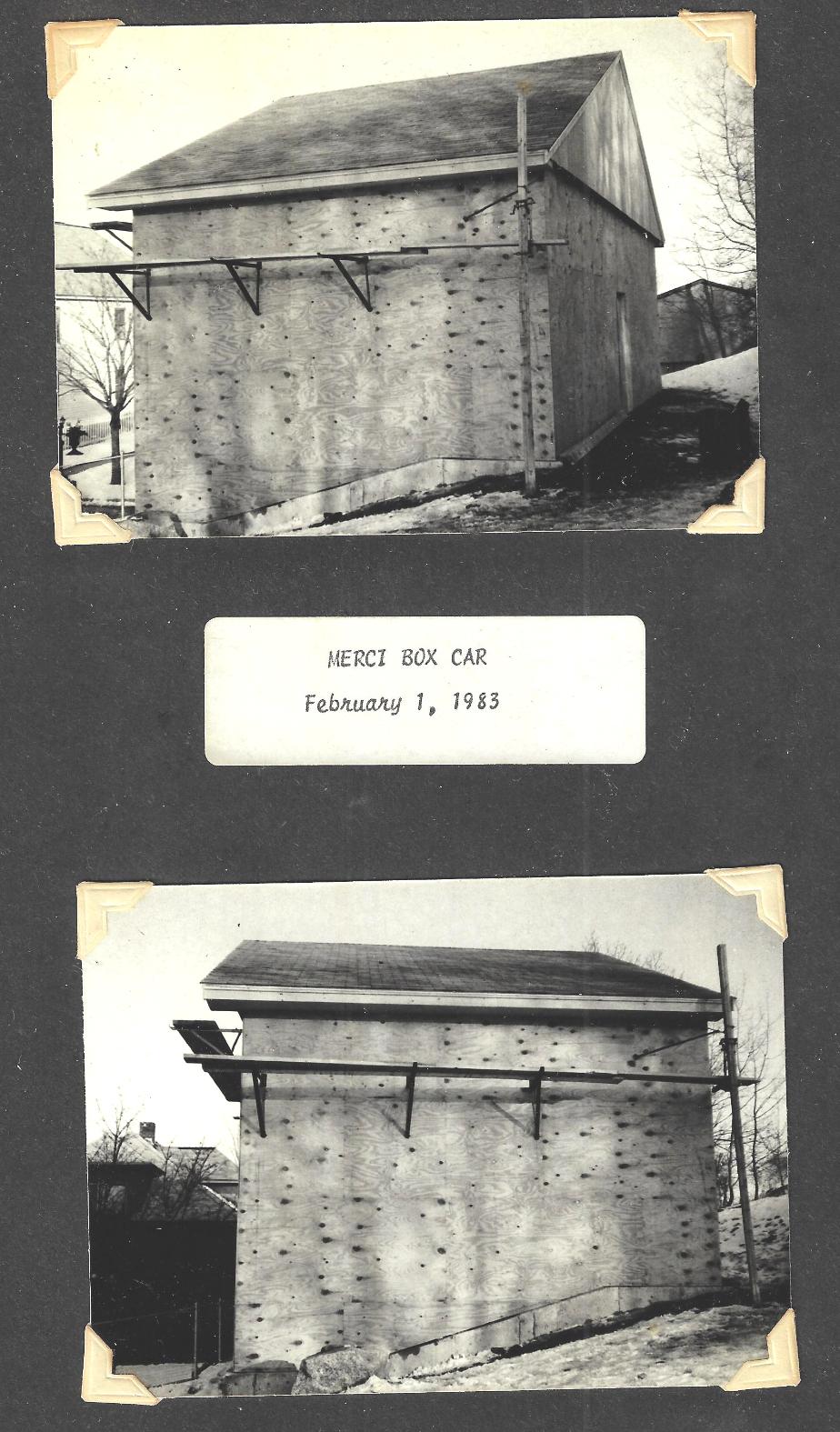
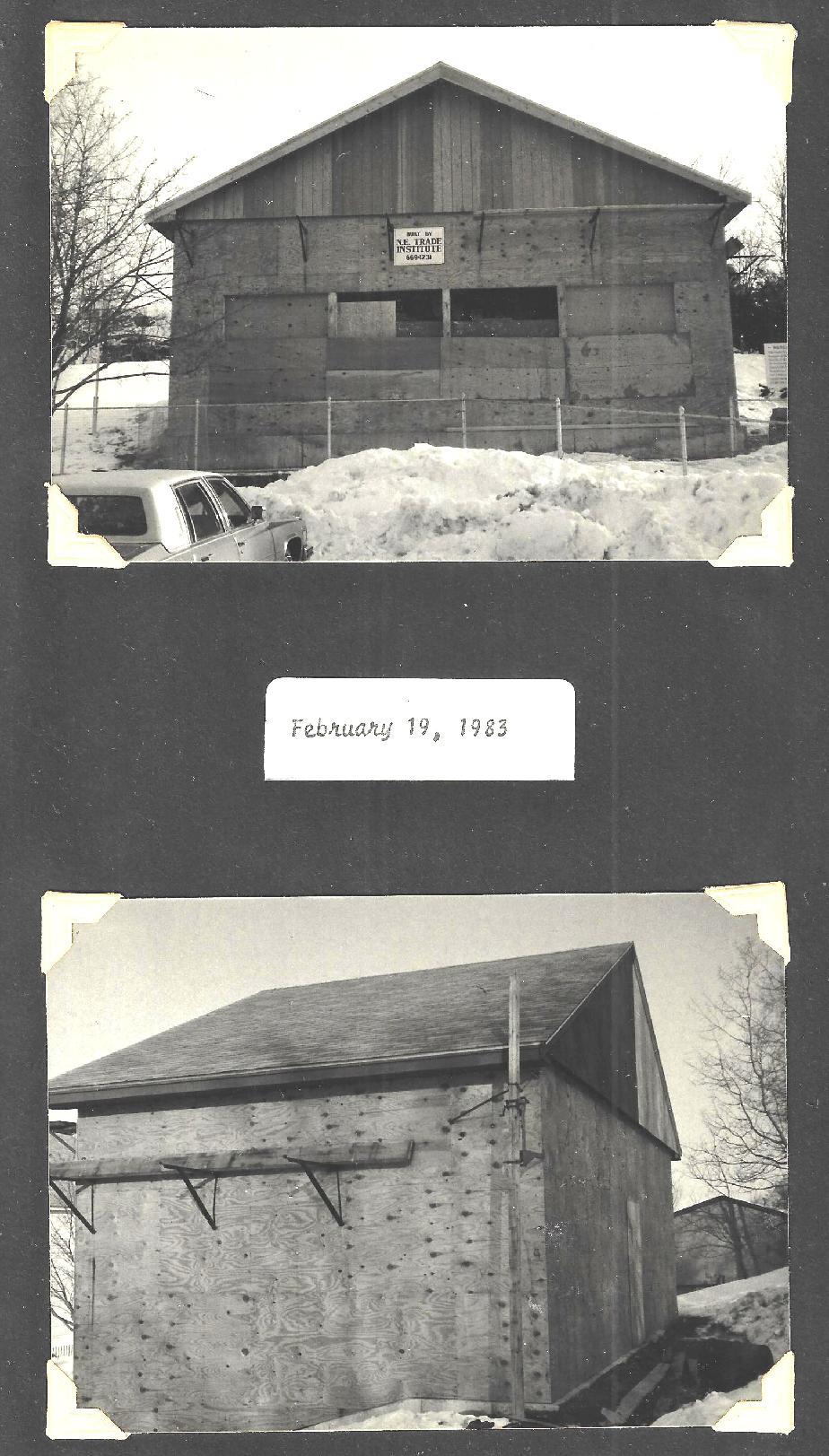
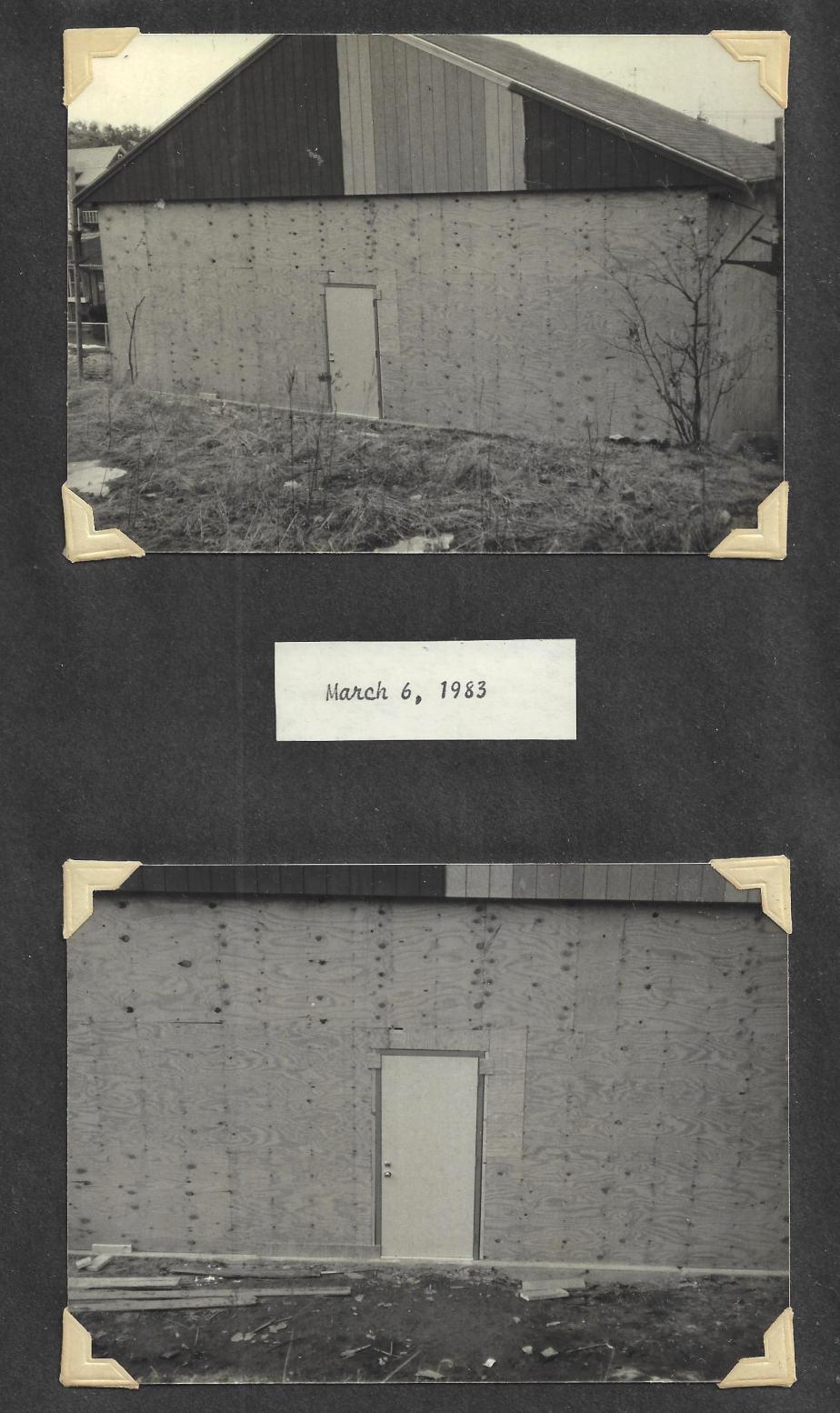
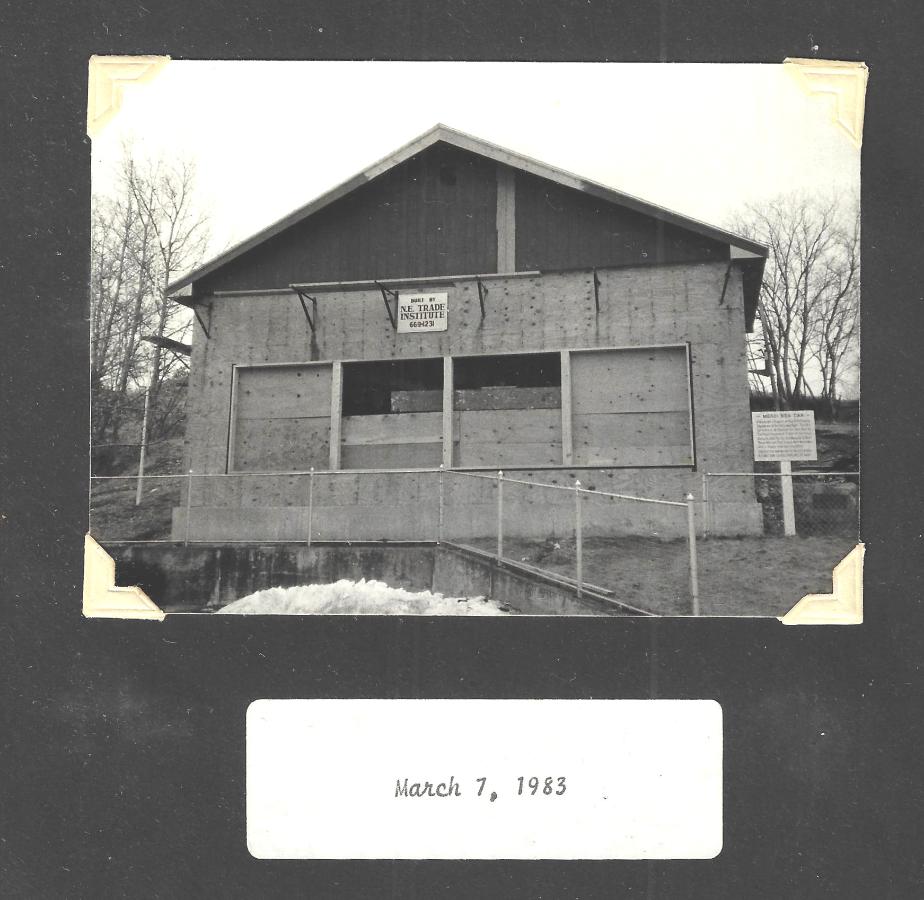
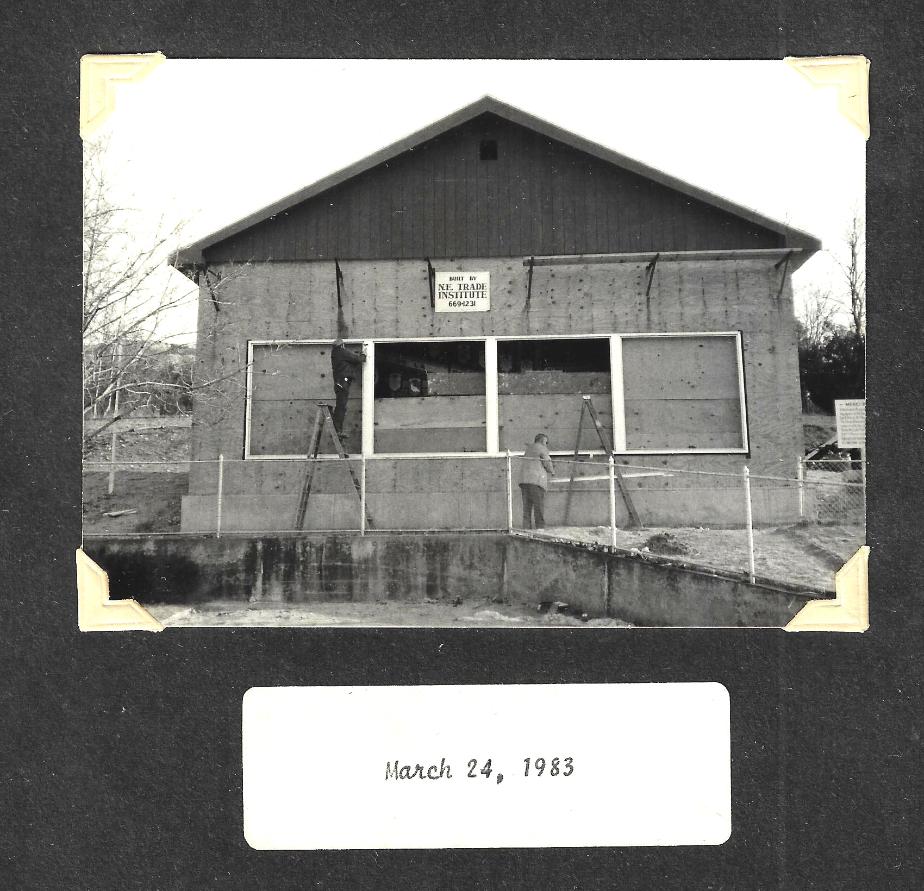
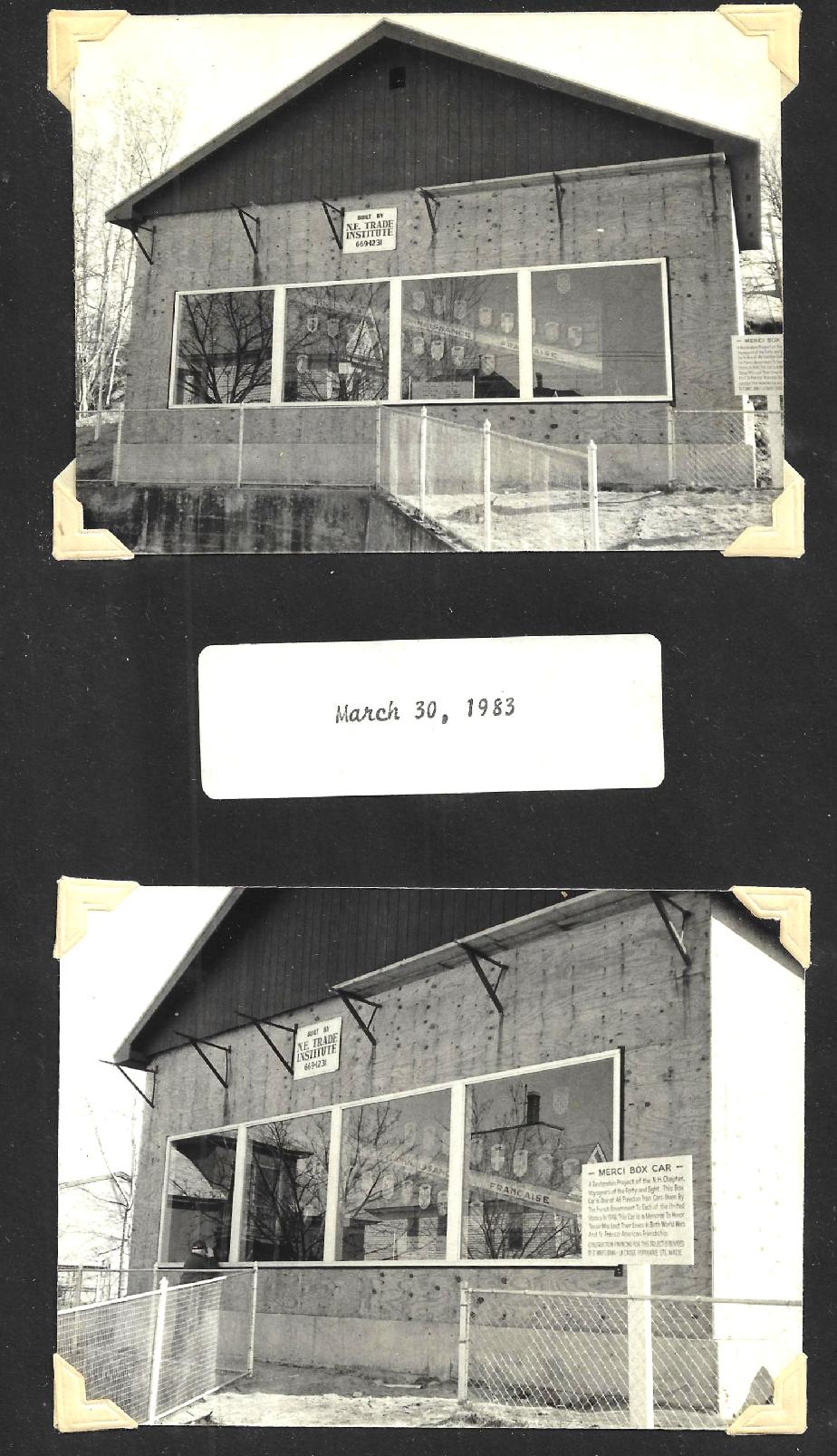
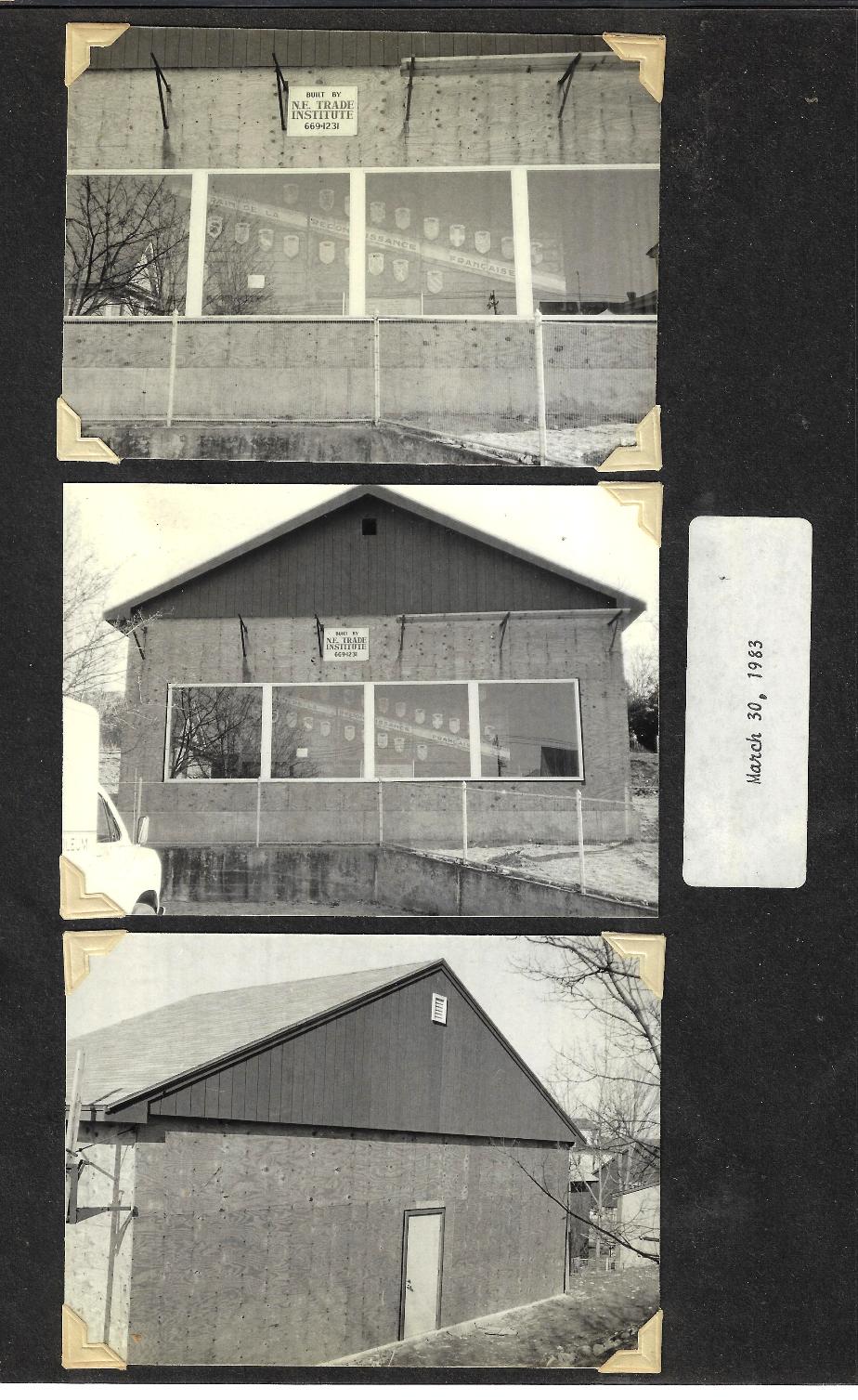
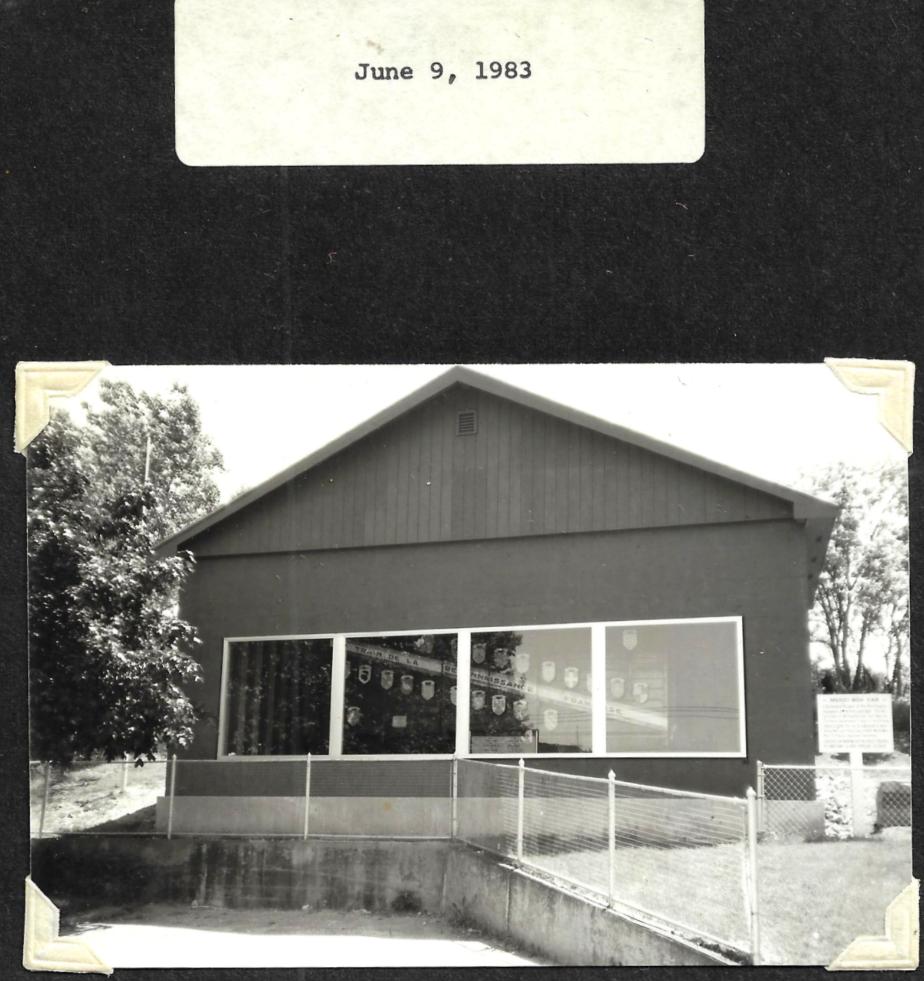
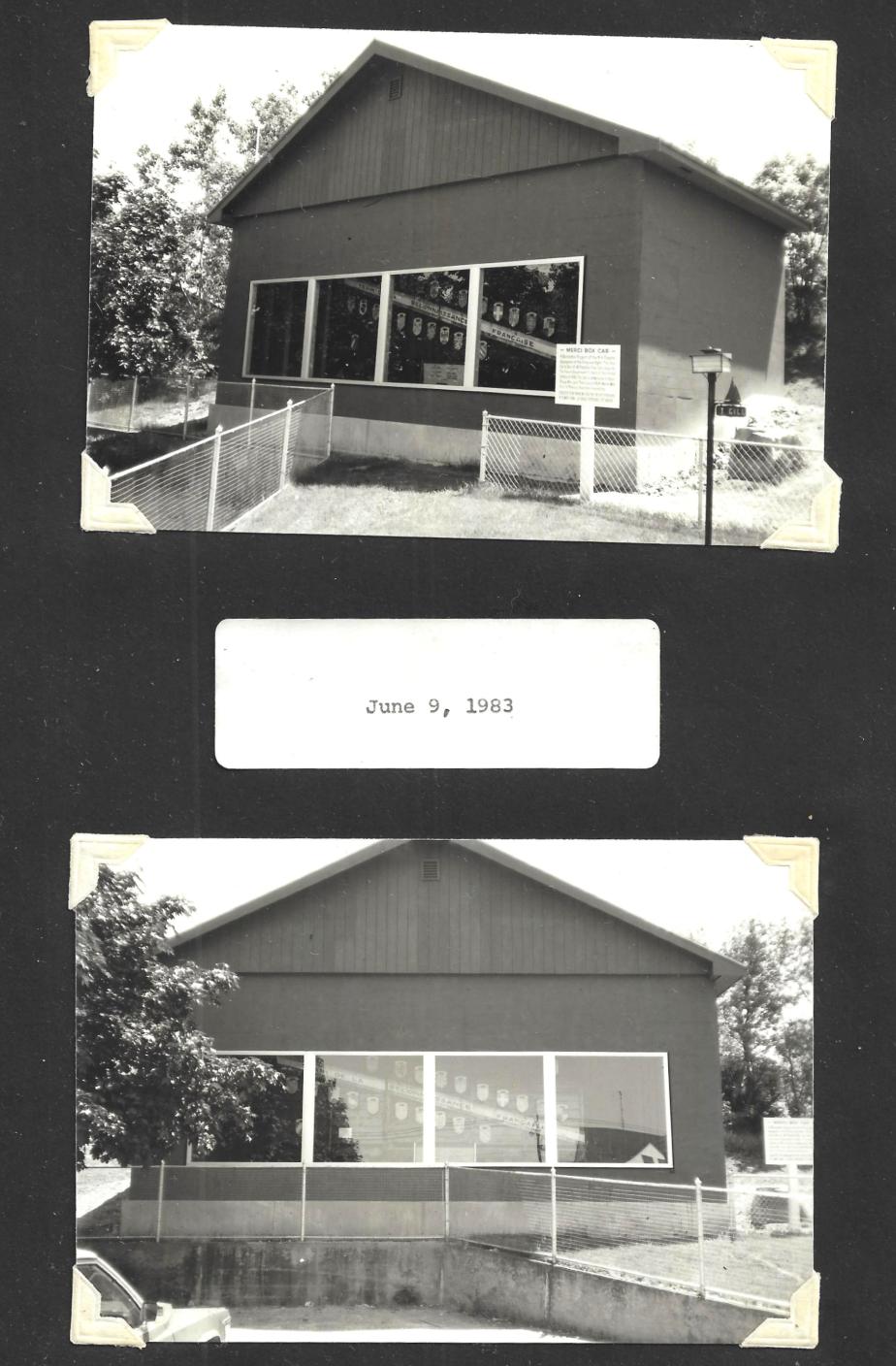
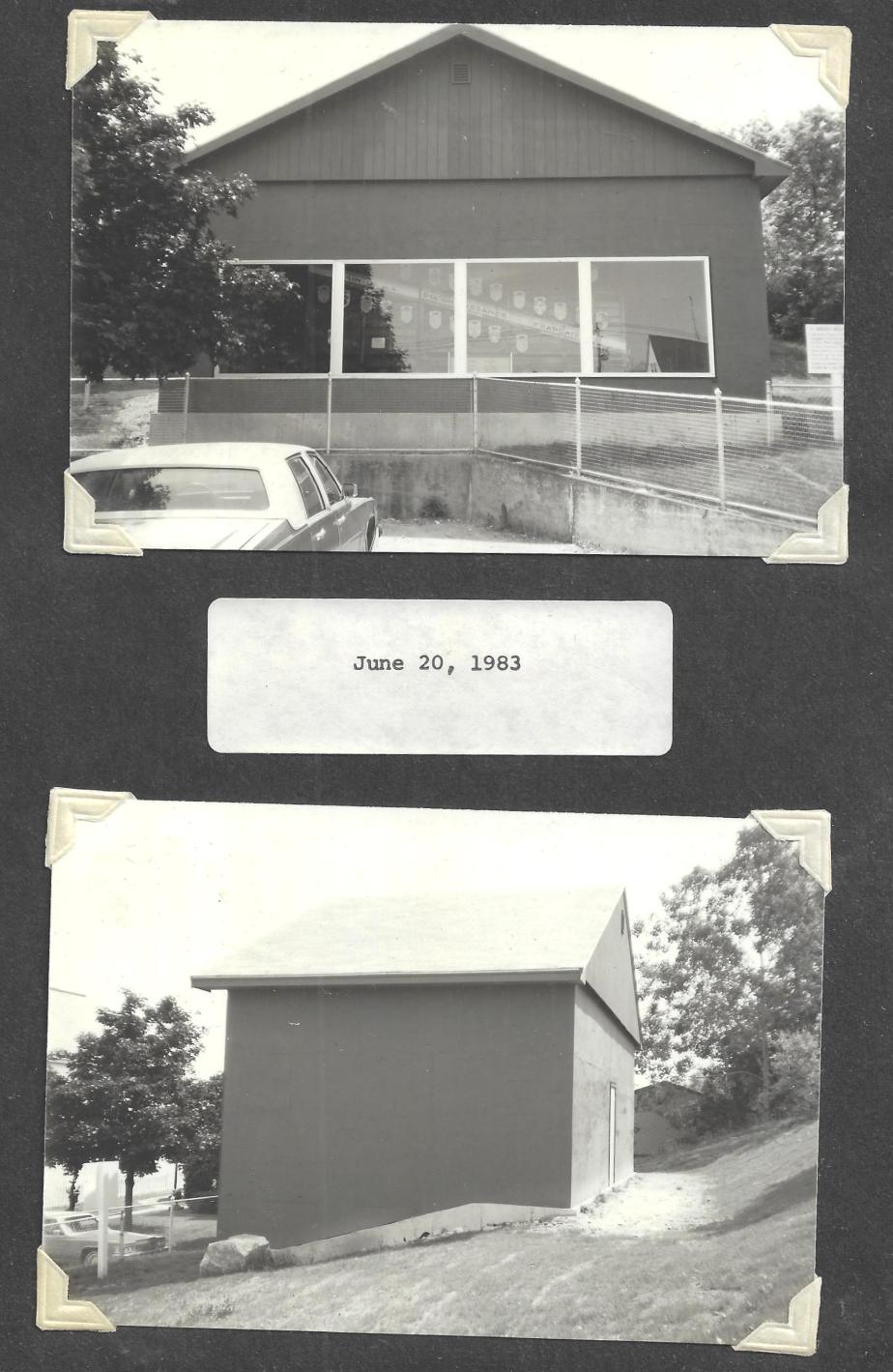
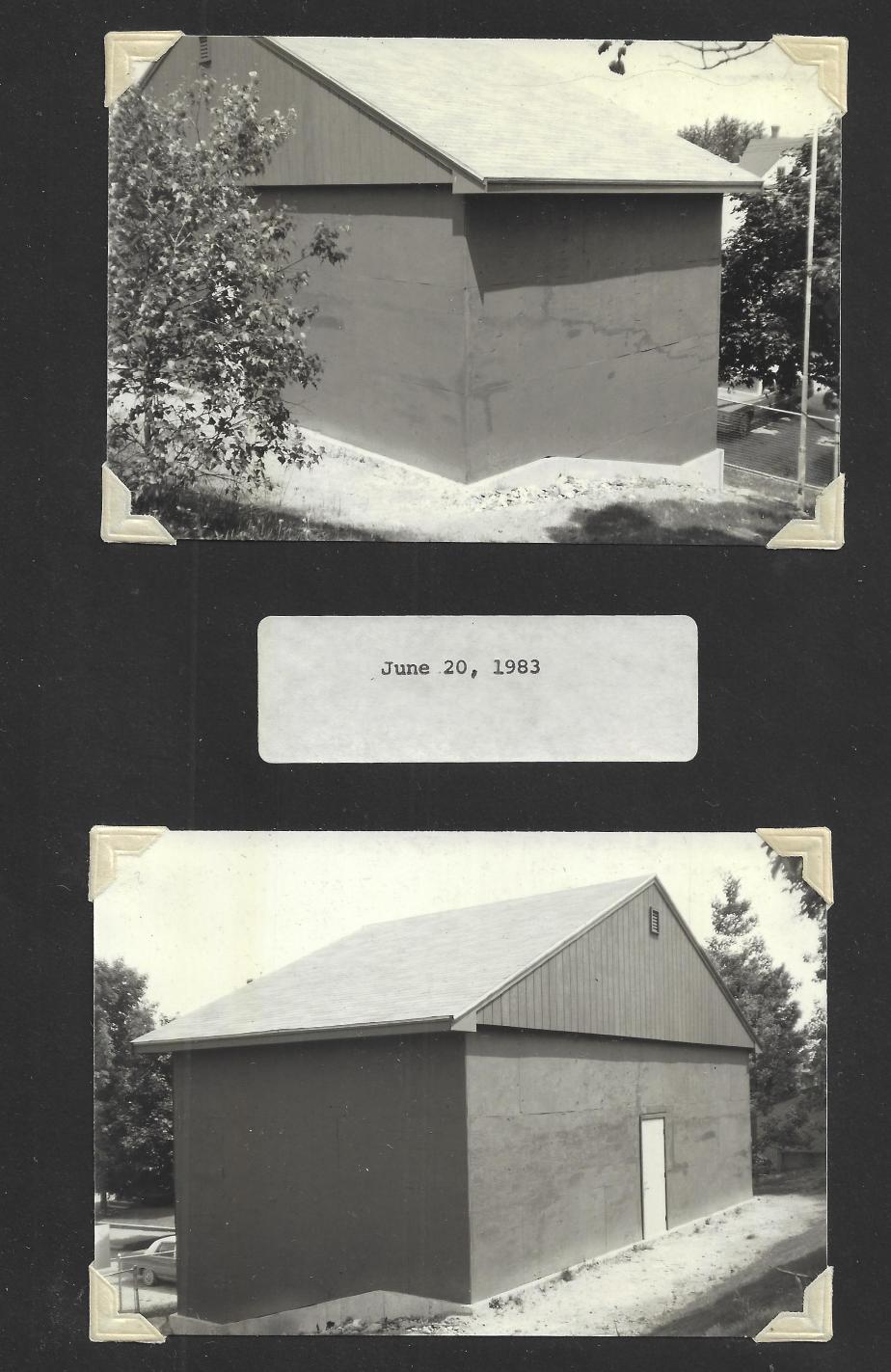
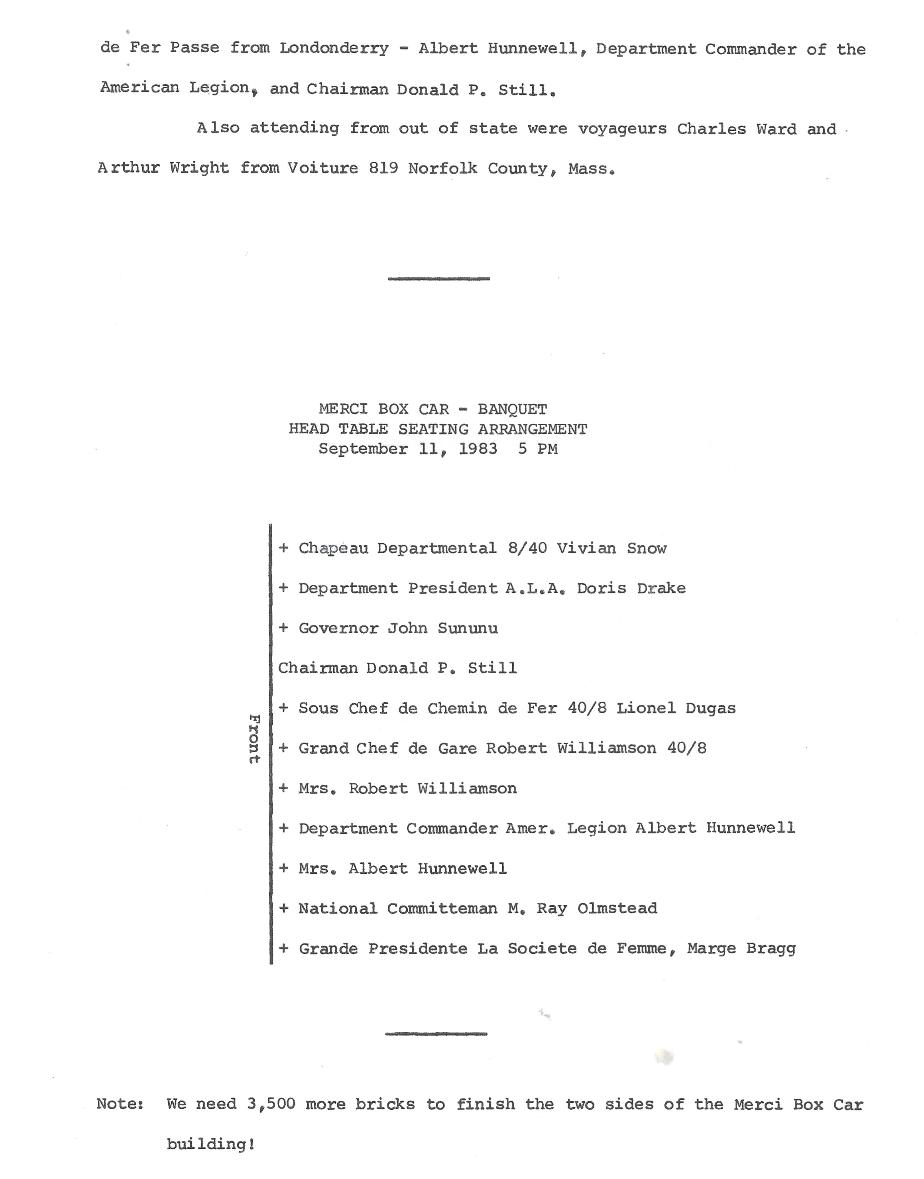
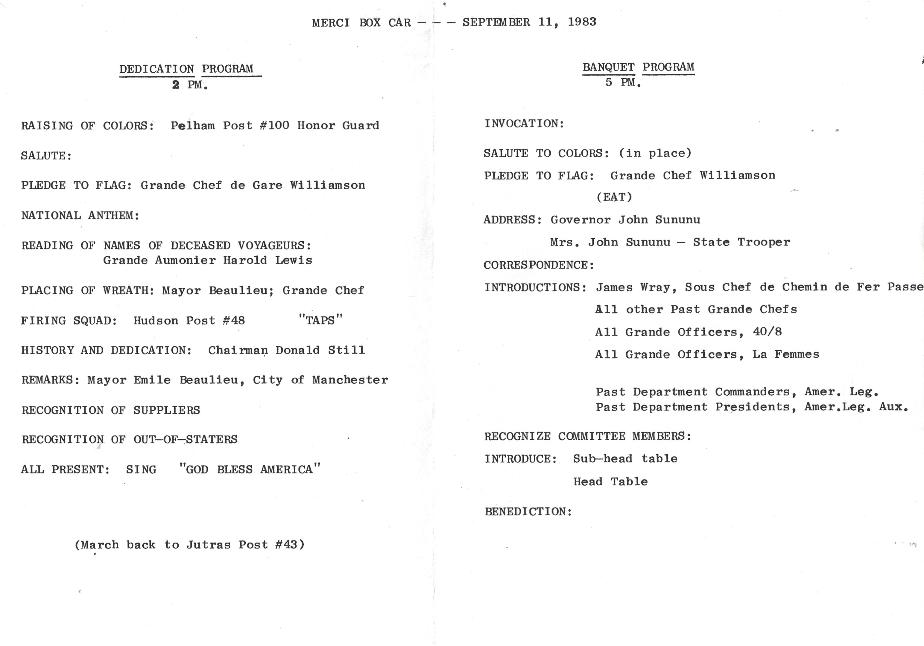
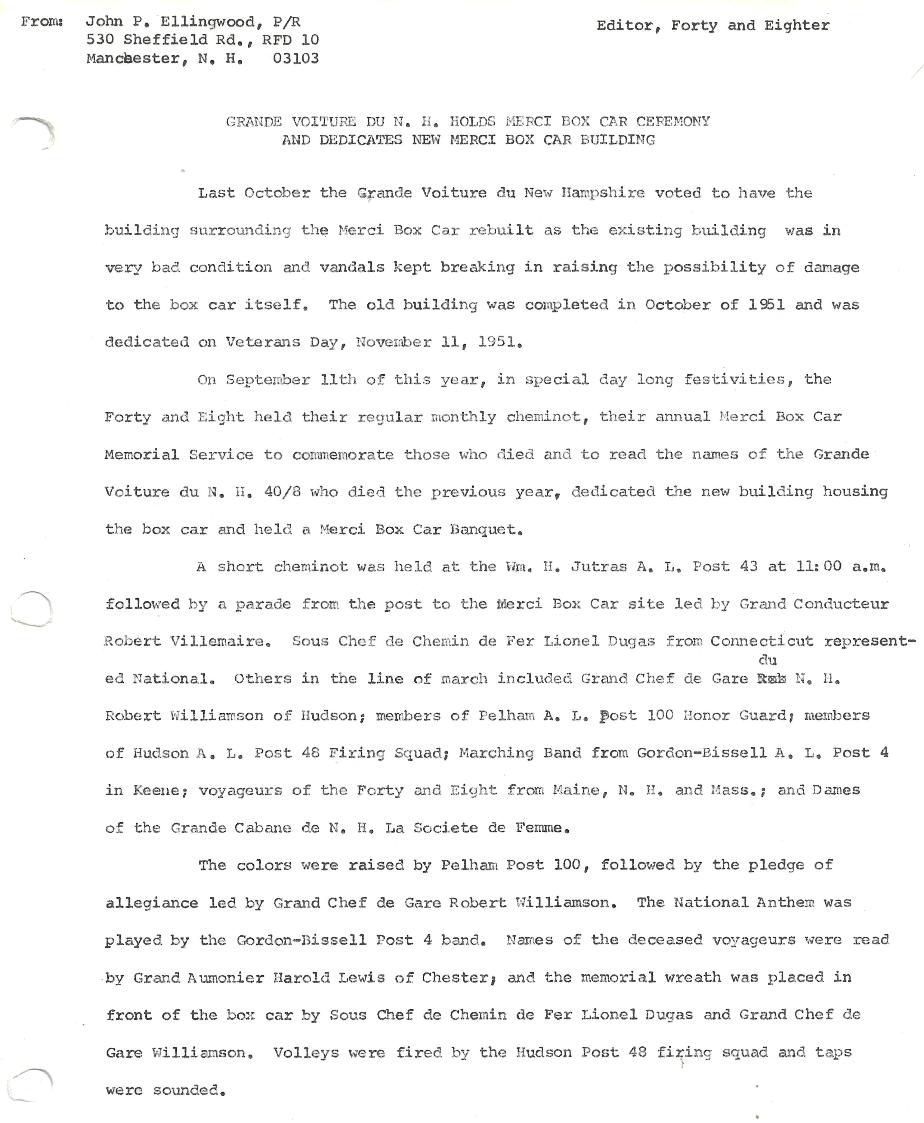
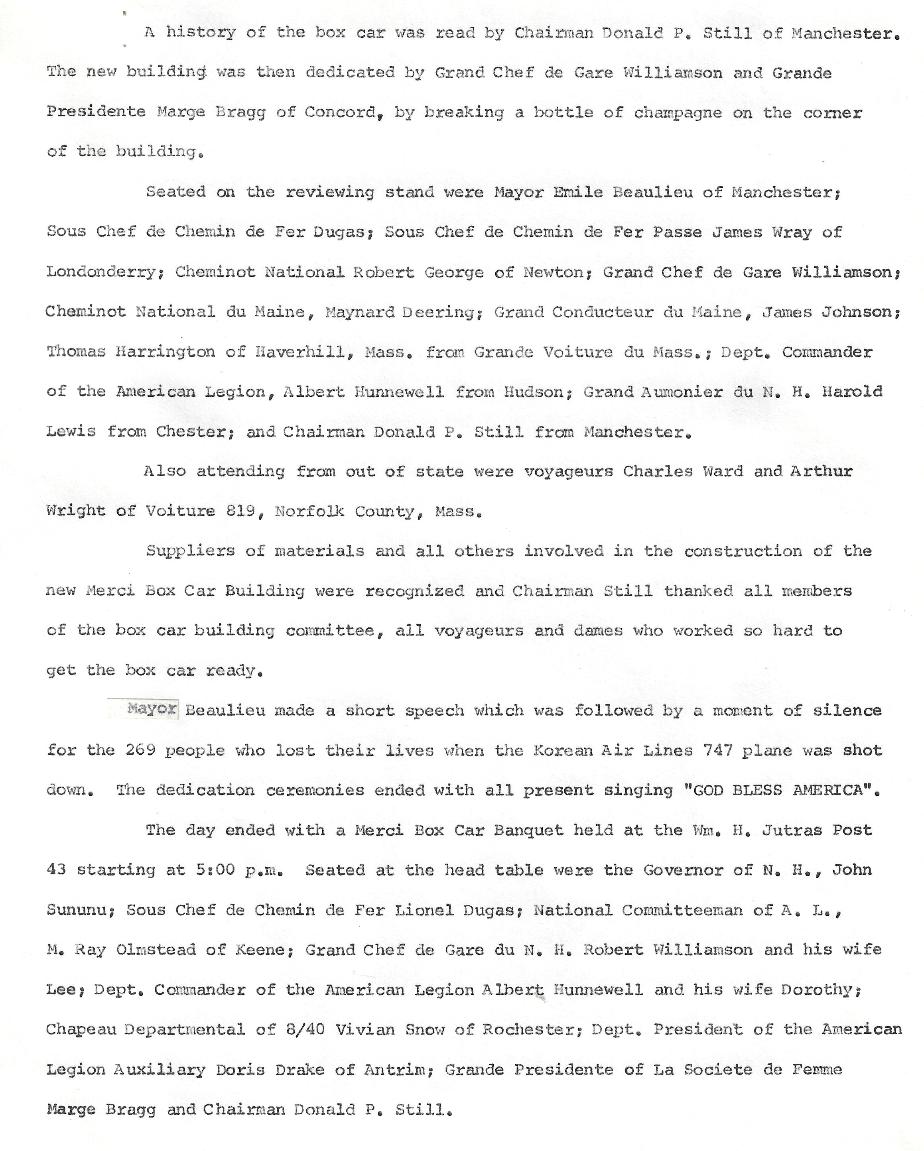
40 & 8 Merci Train - Reed Street Manchester Dedication September 11, 1983
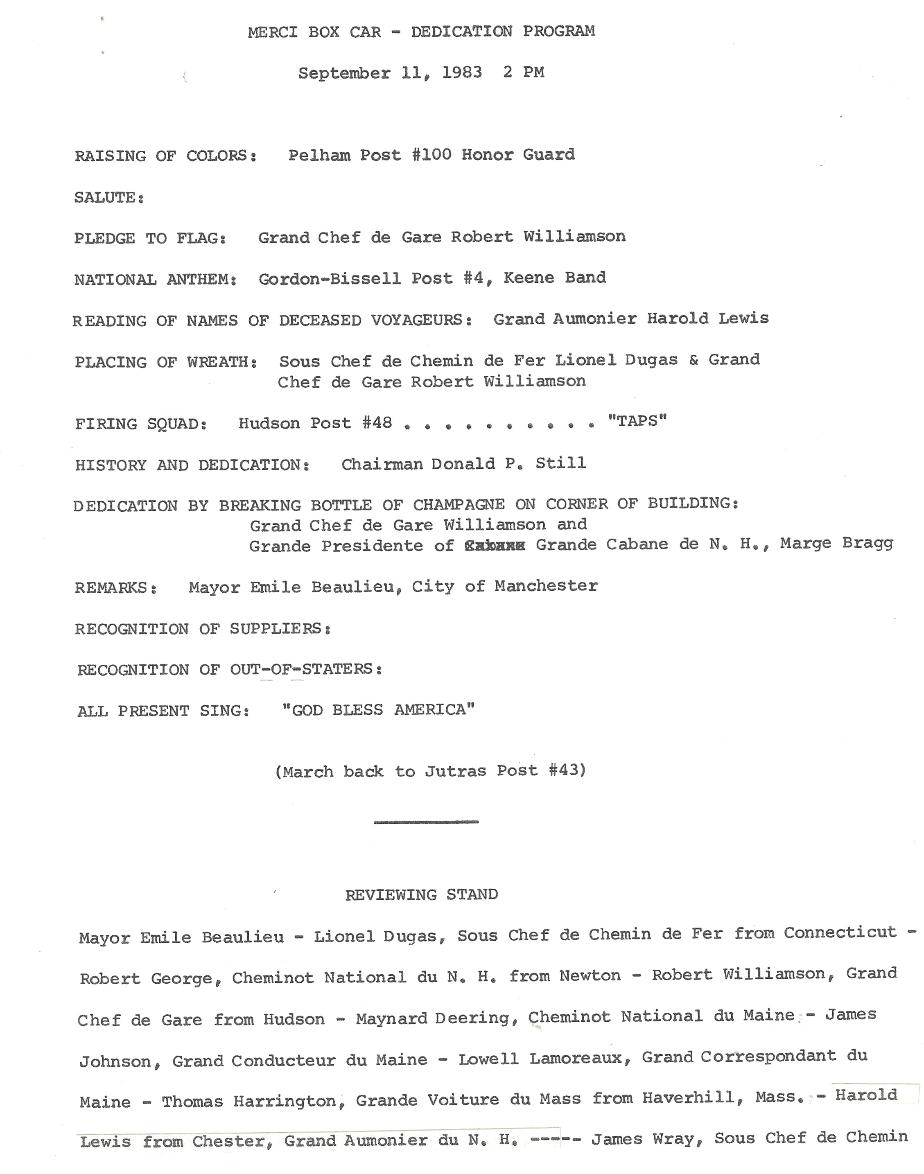
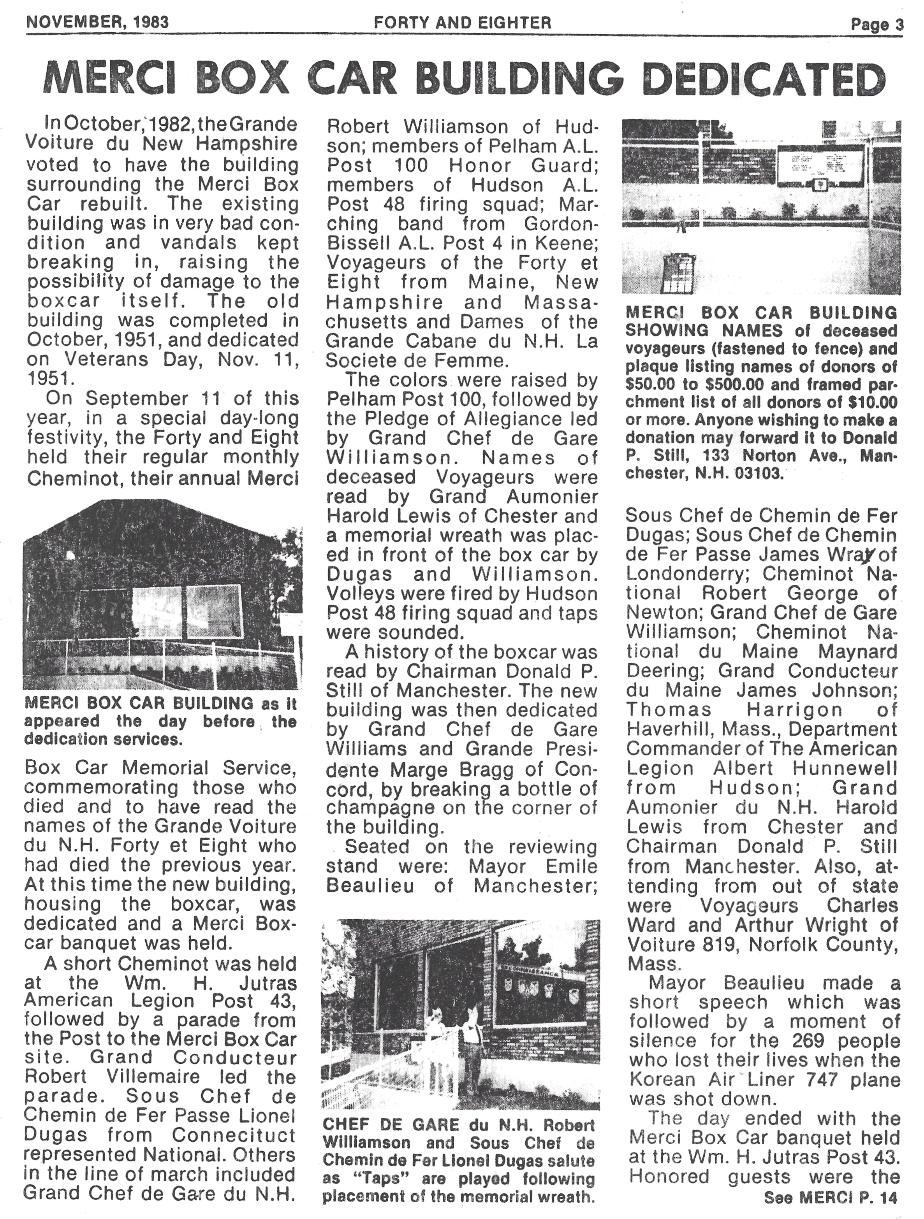
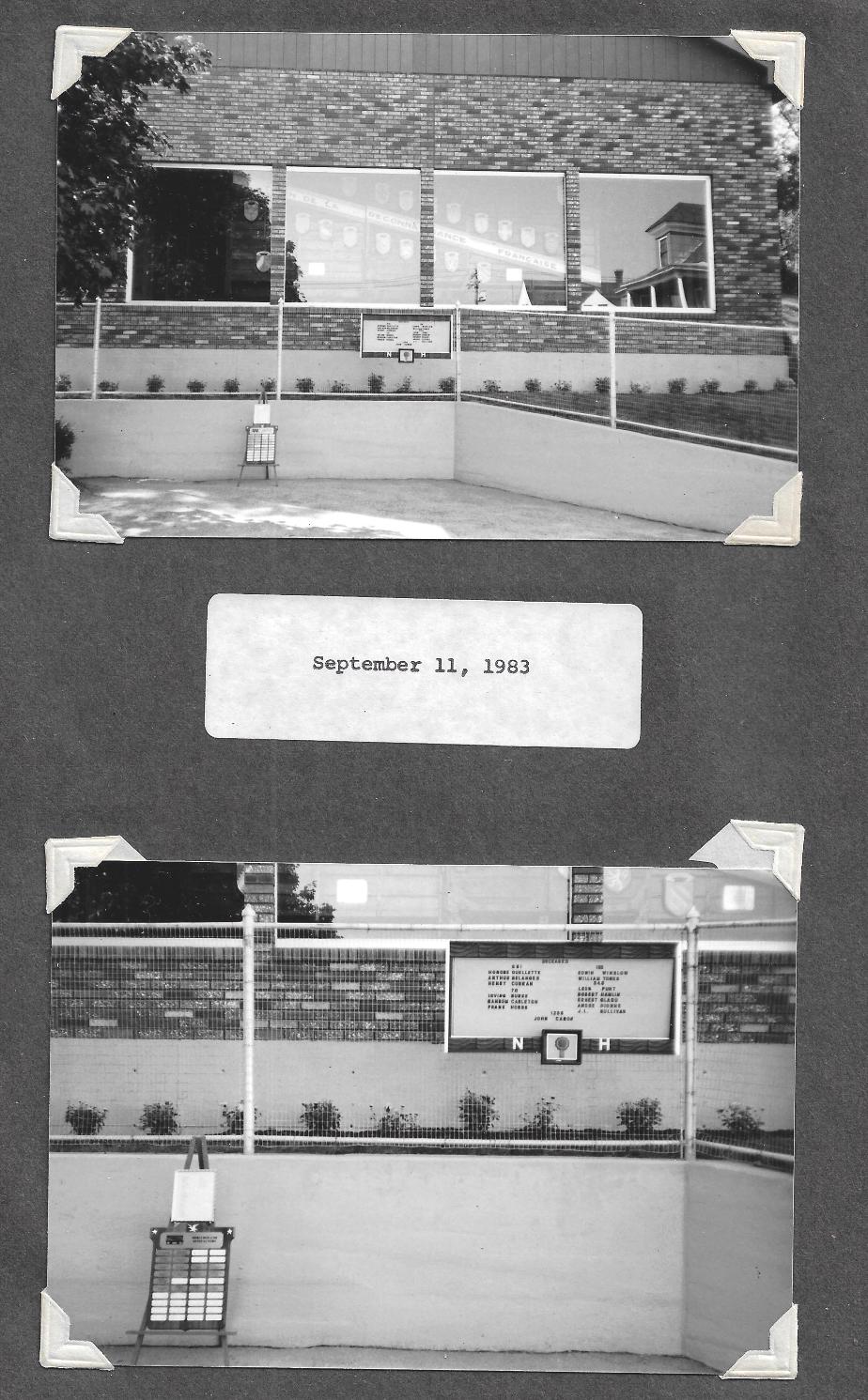
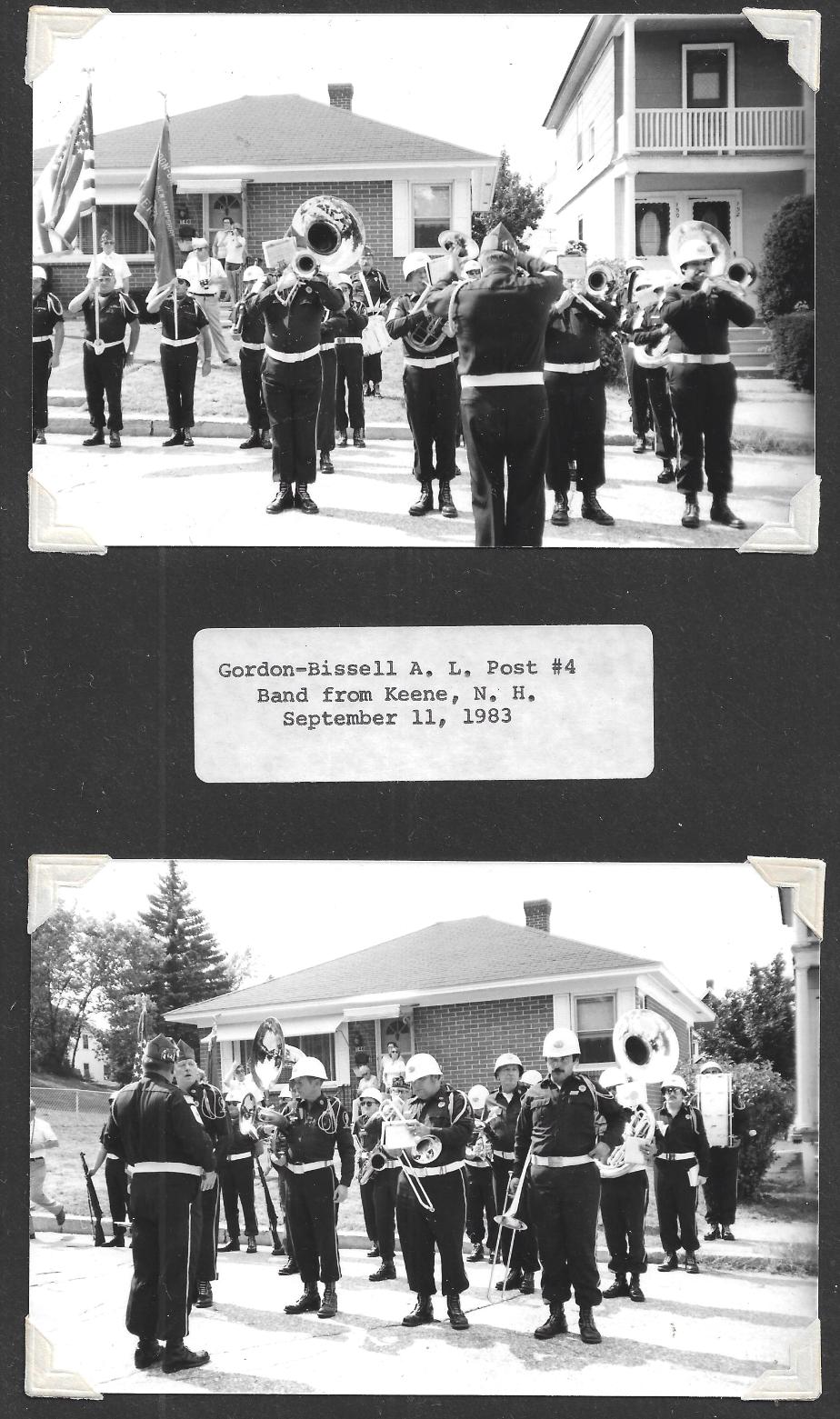
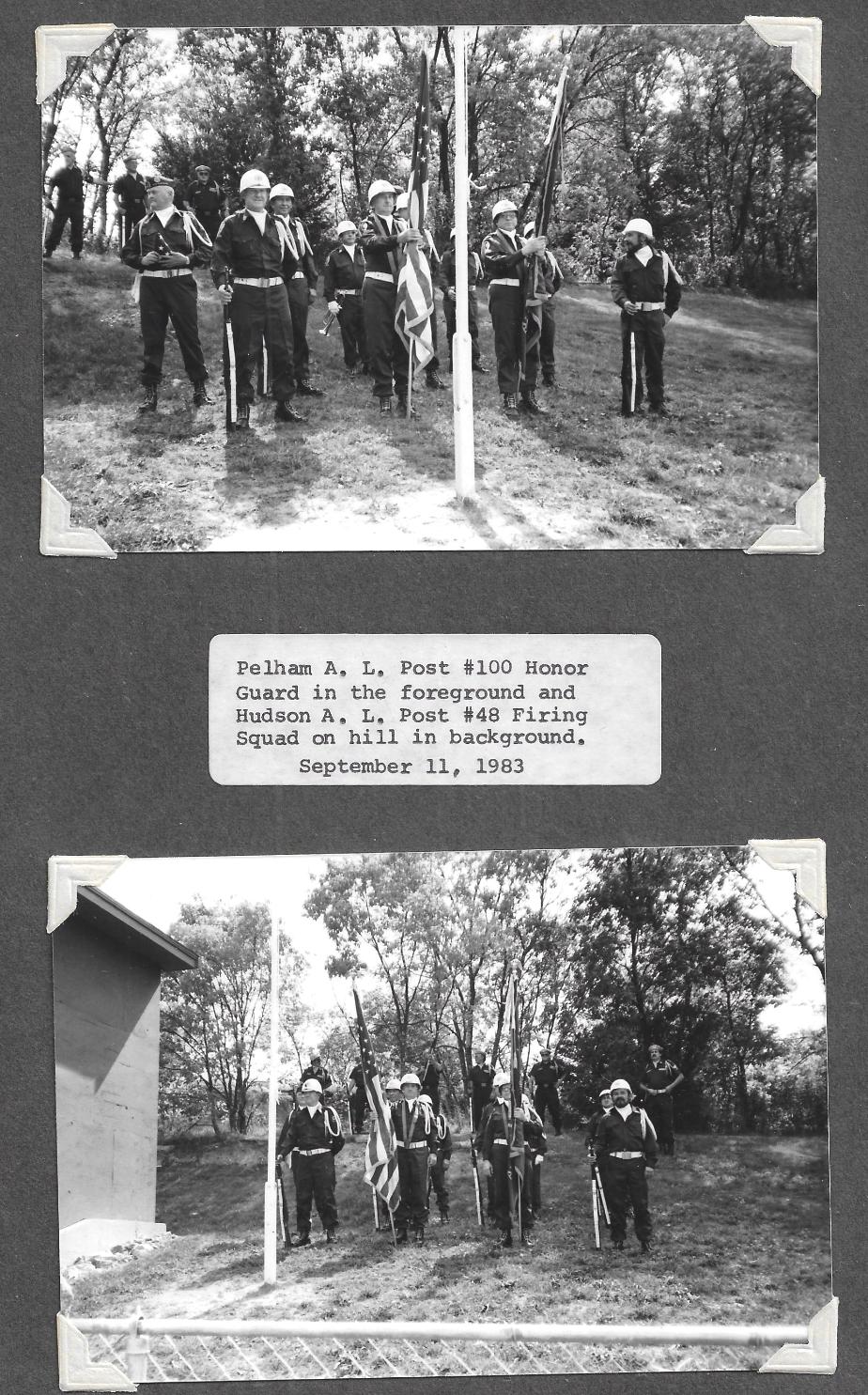
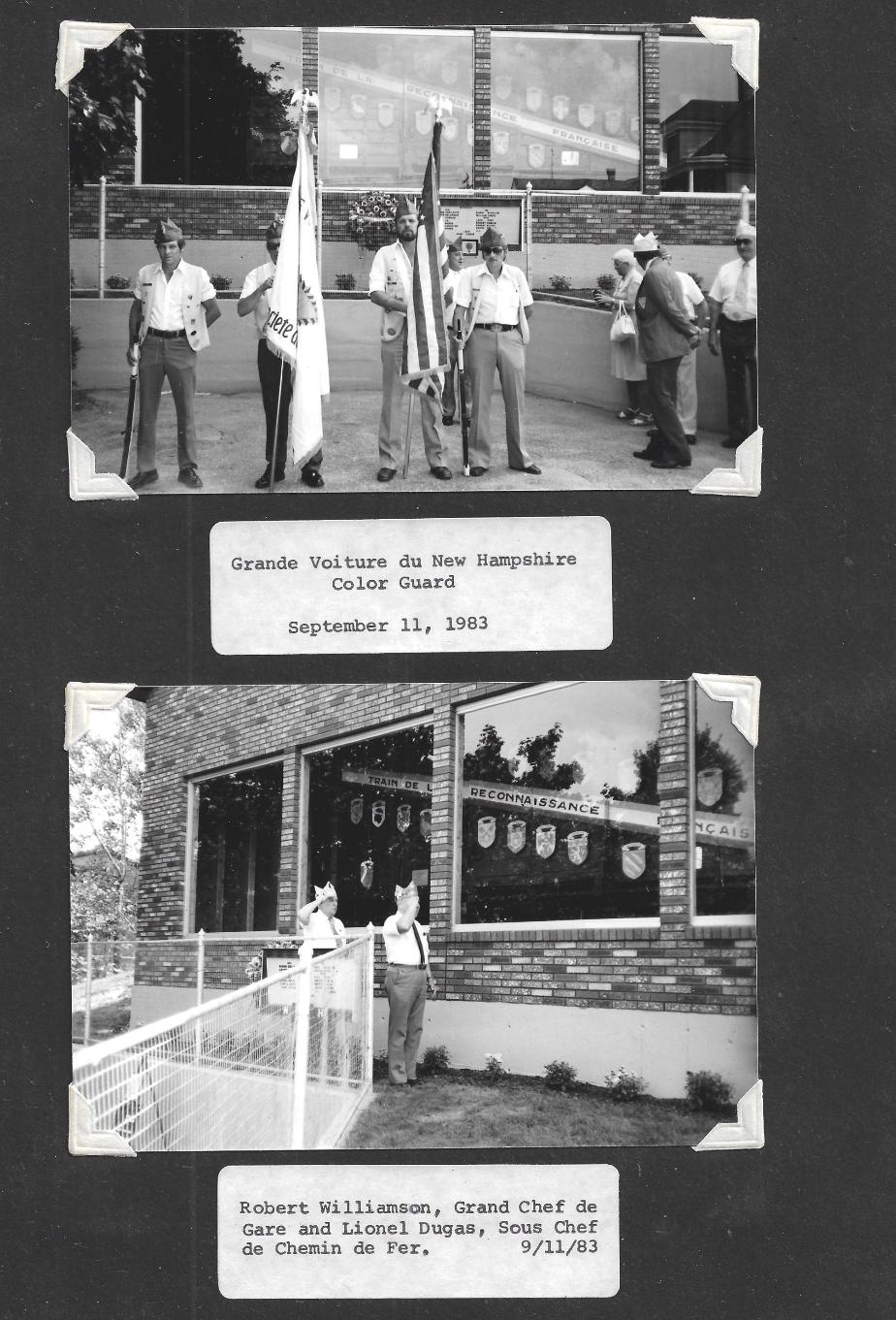
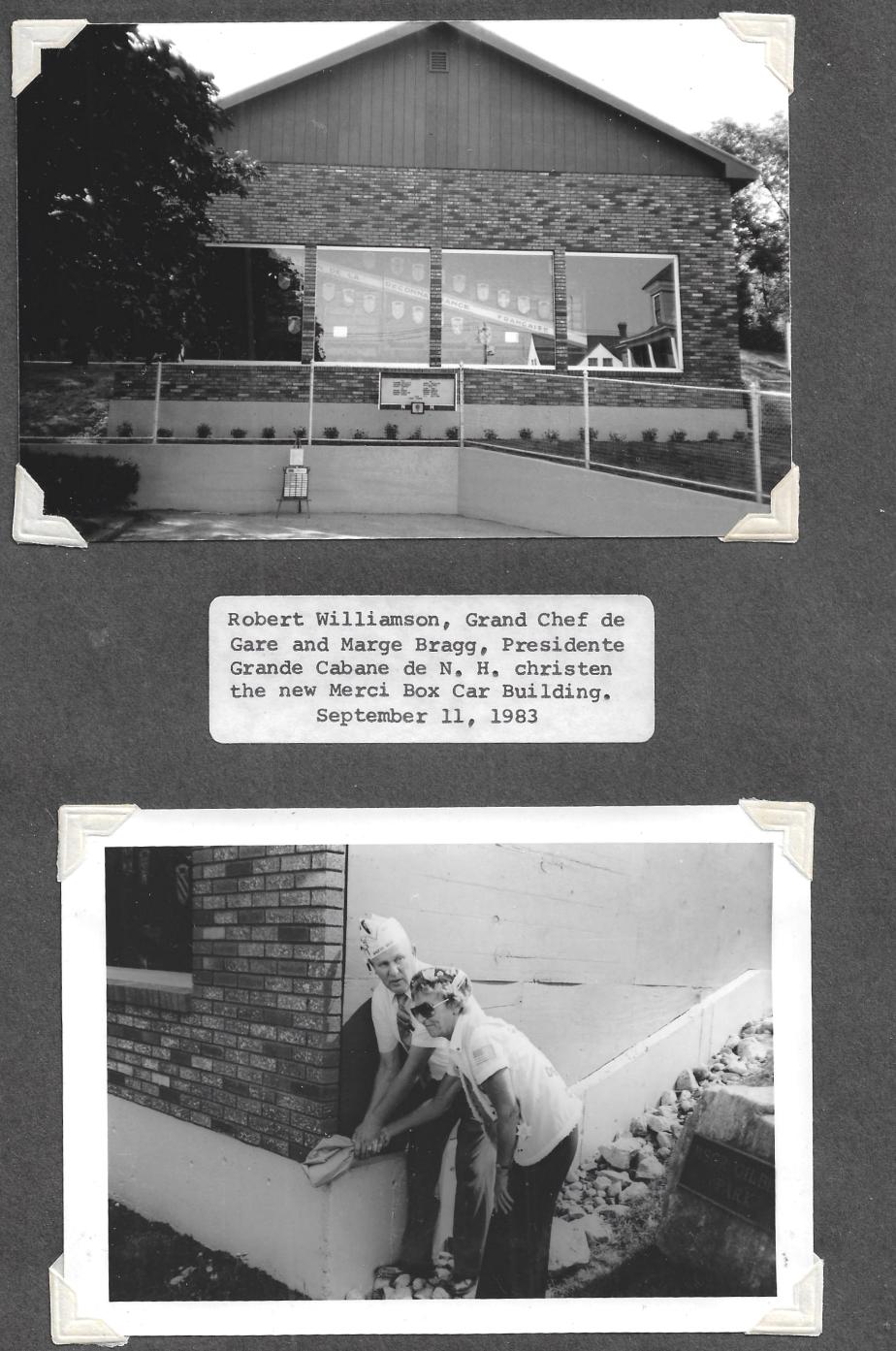
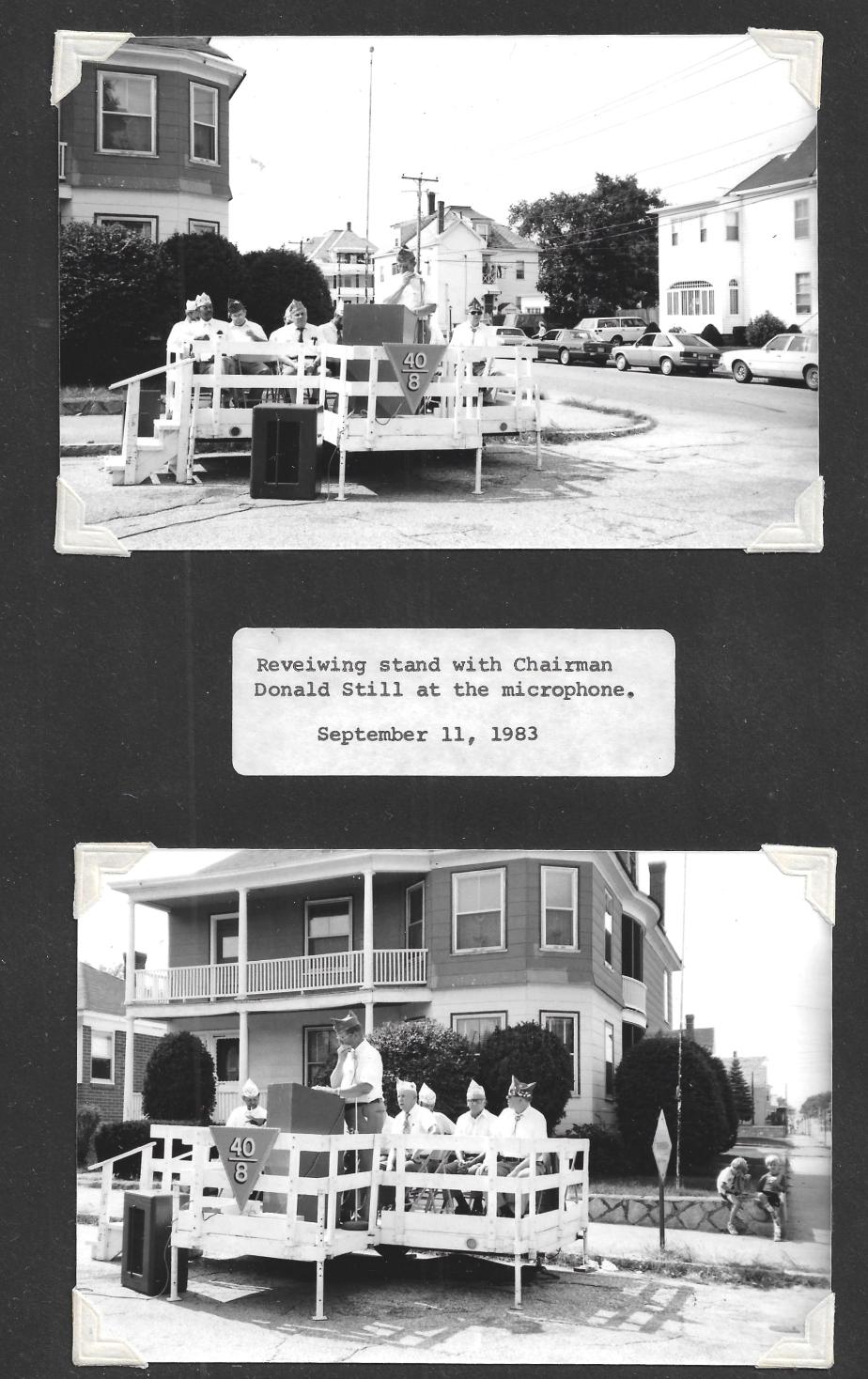
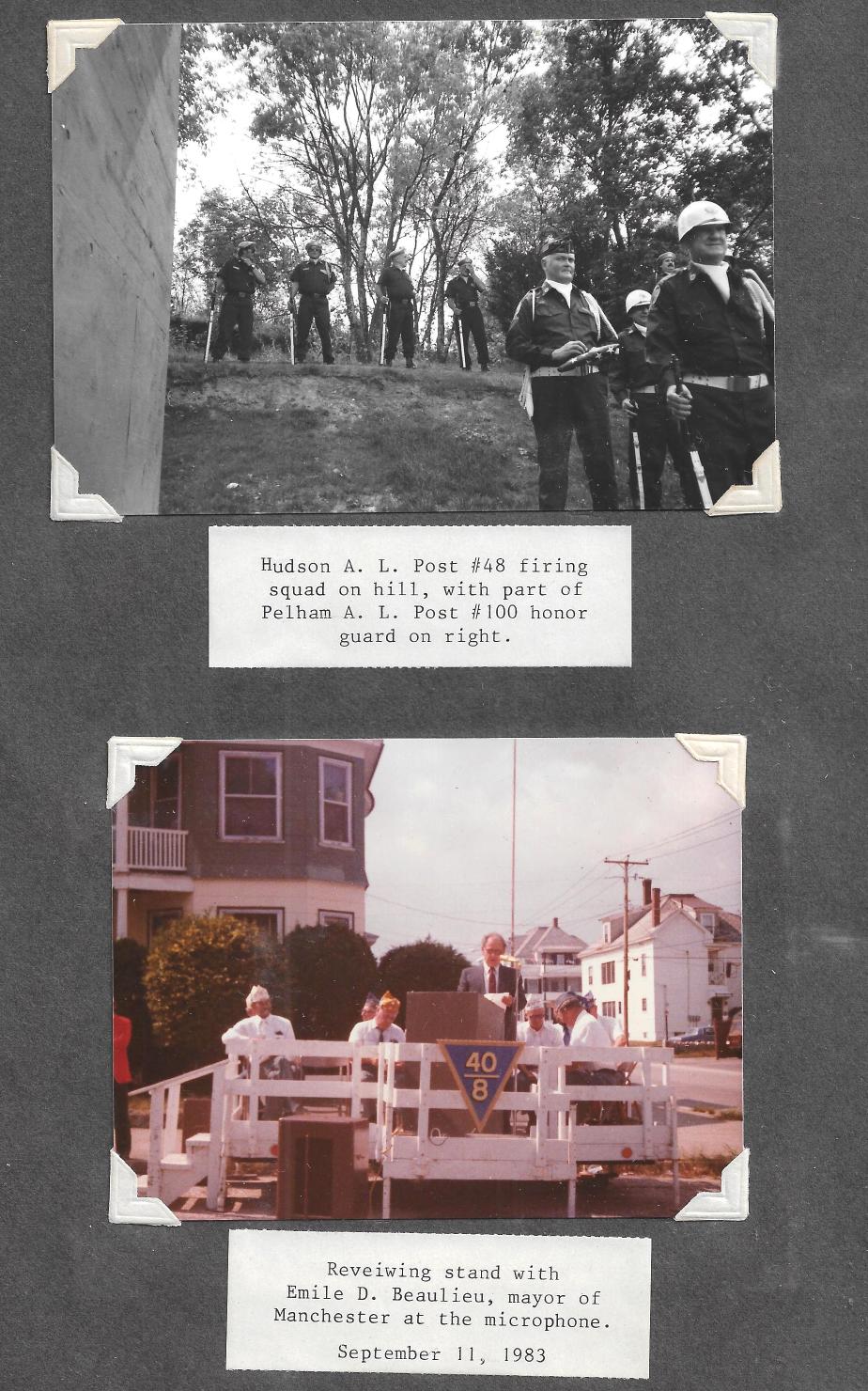
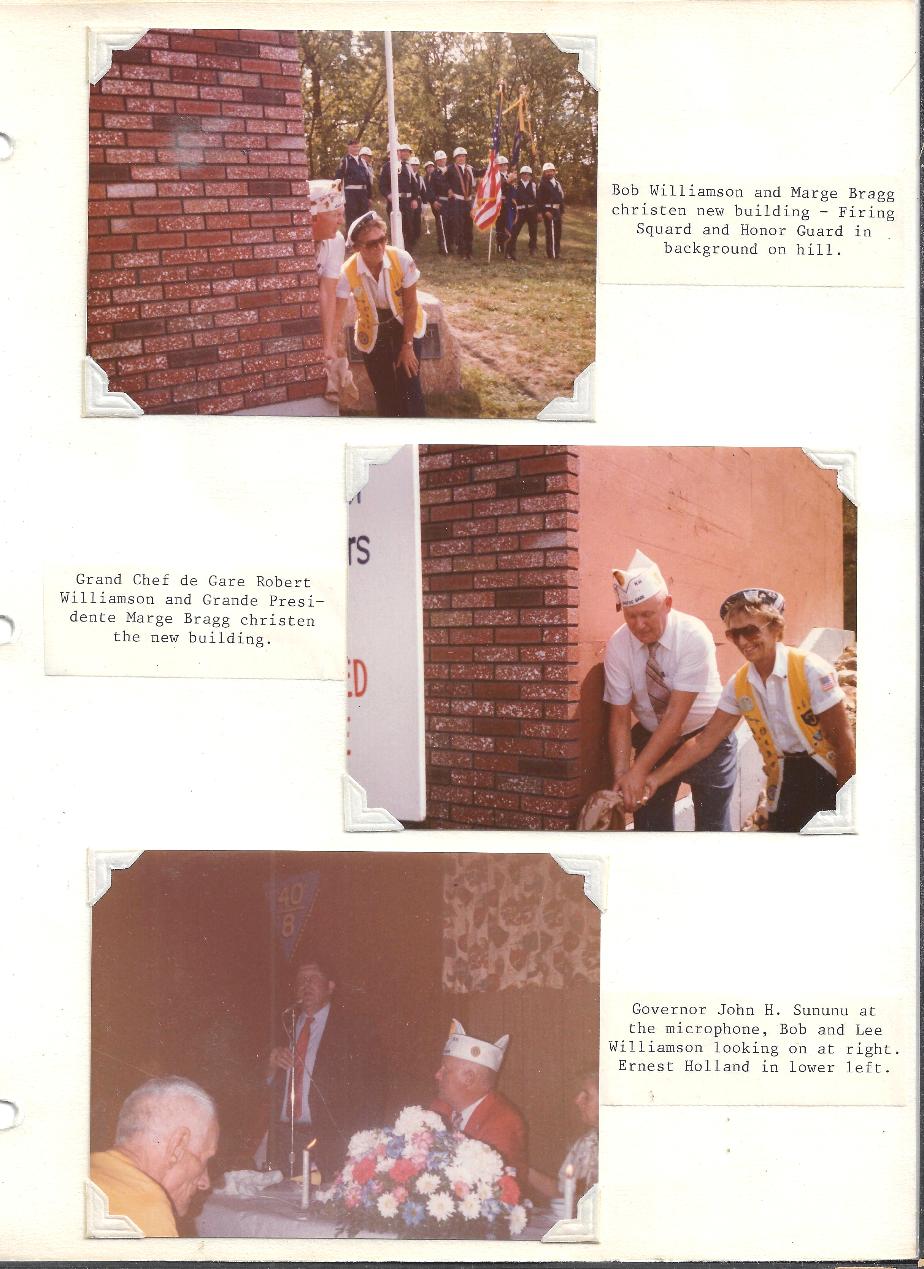
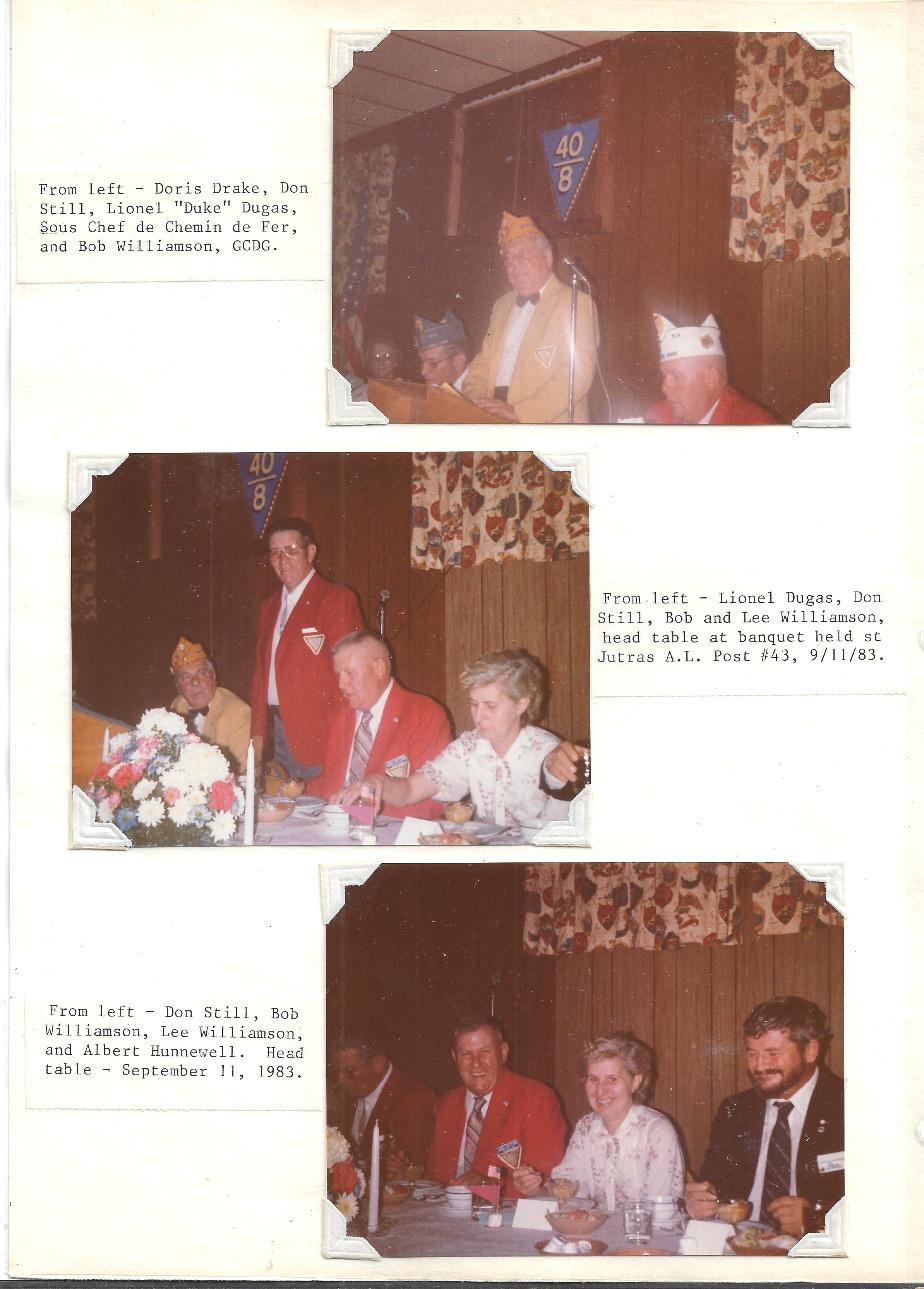
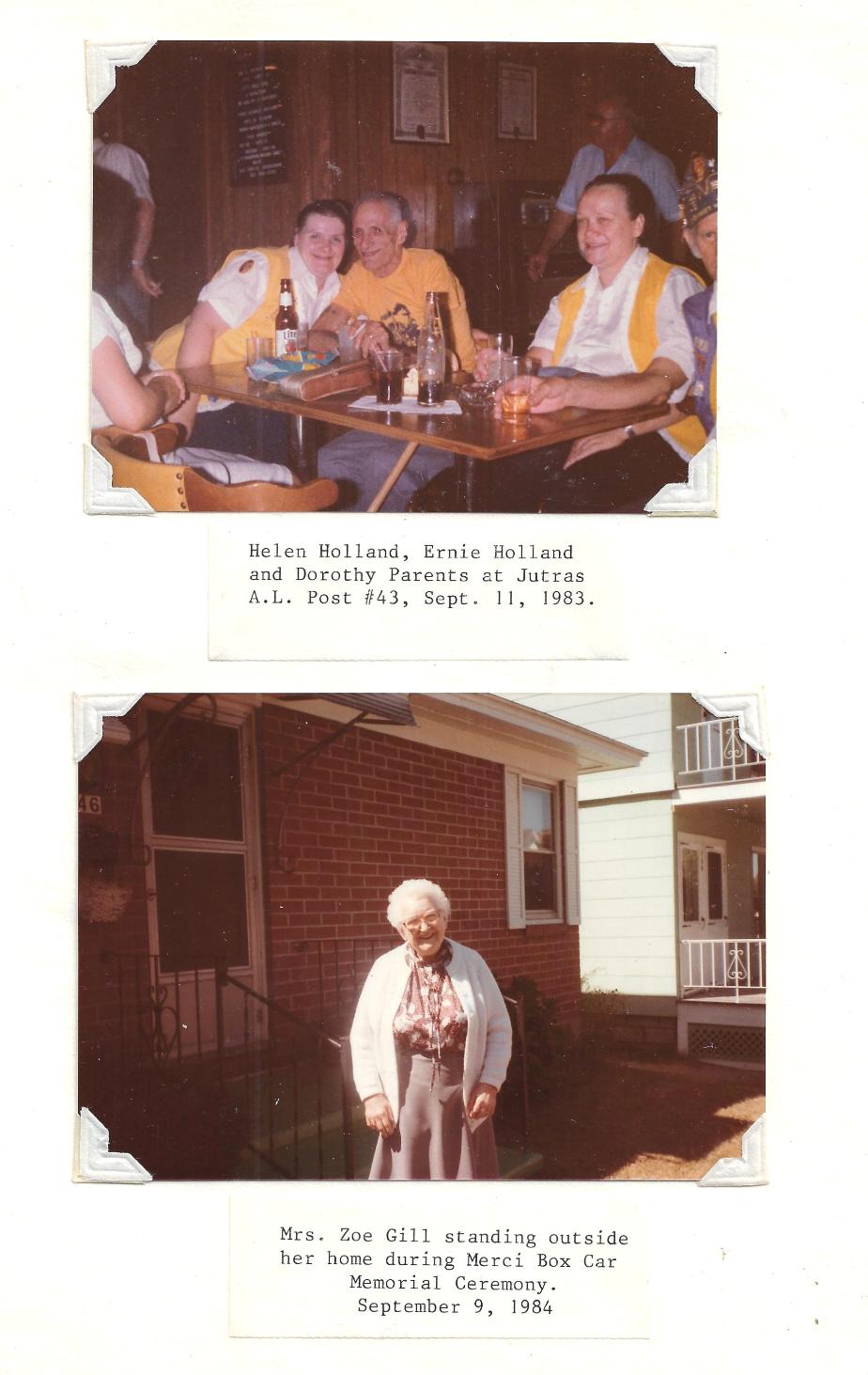
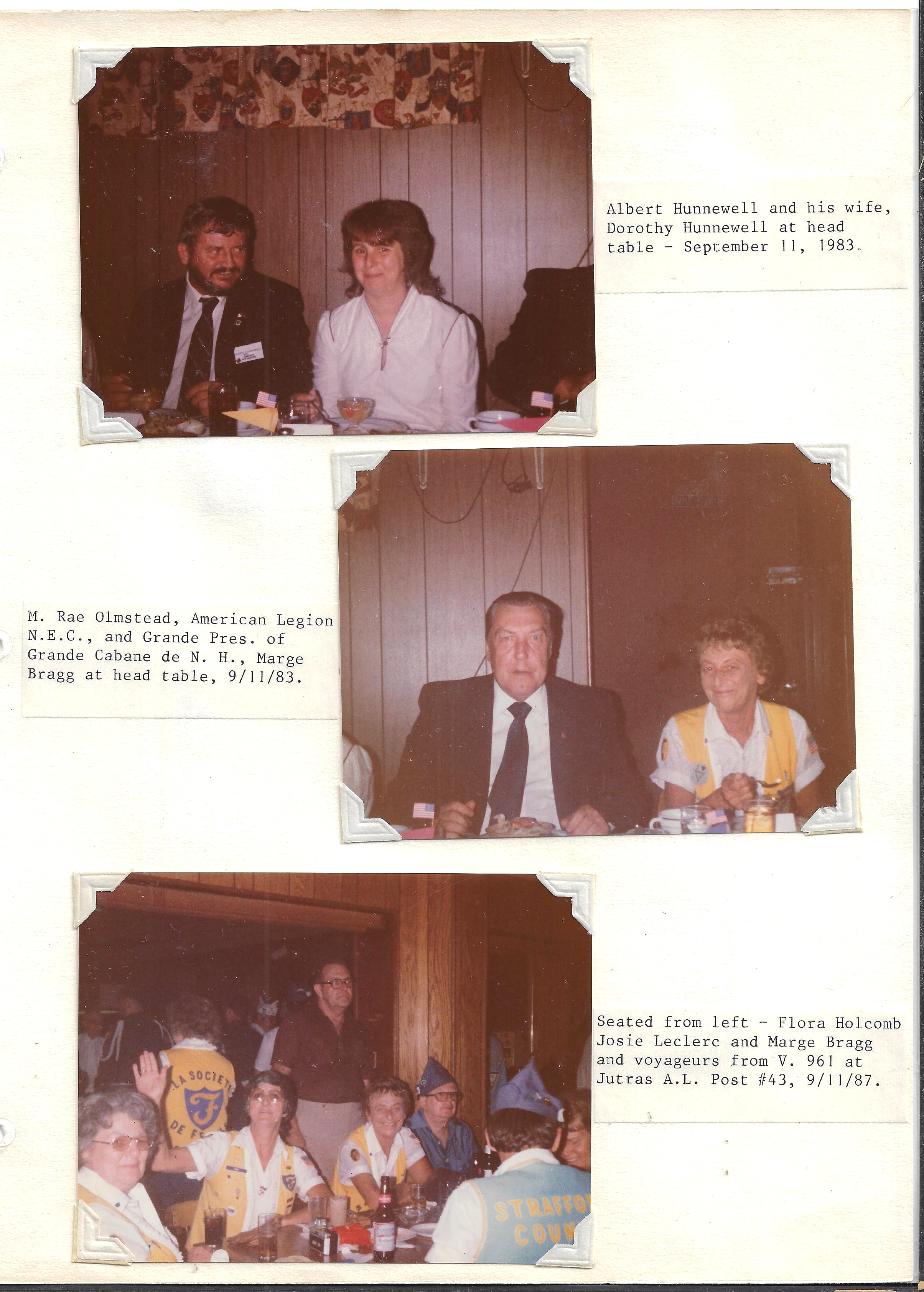
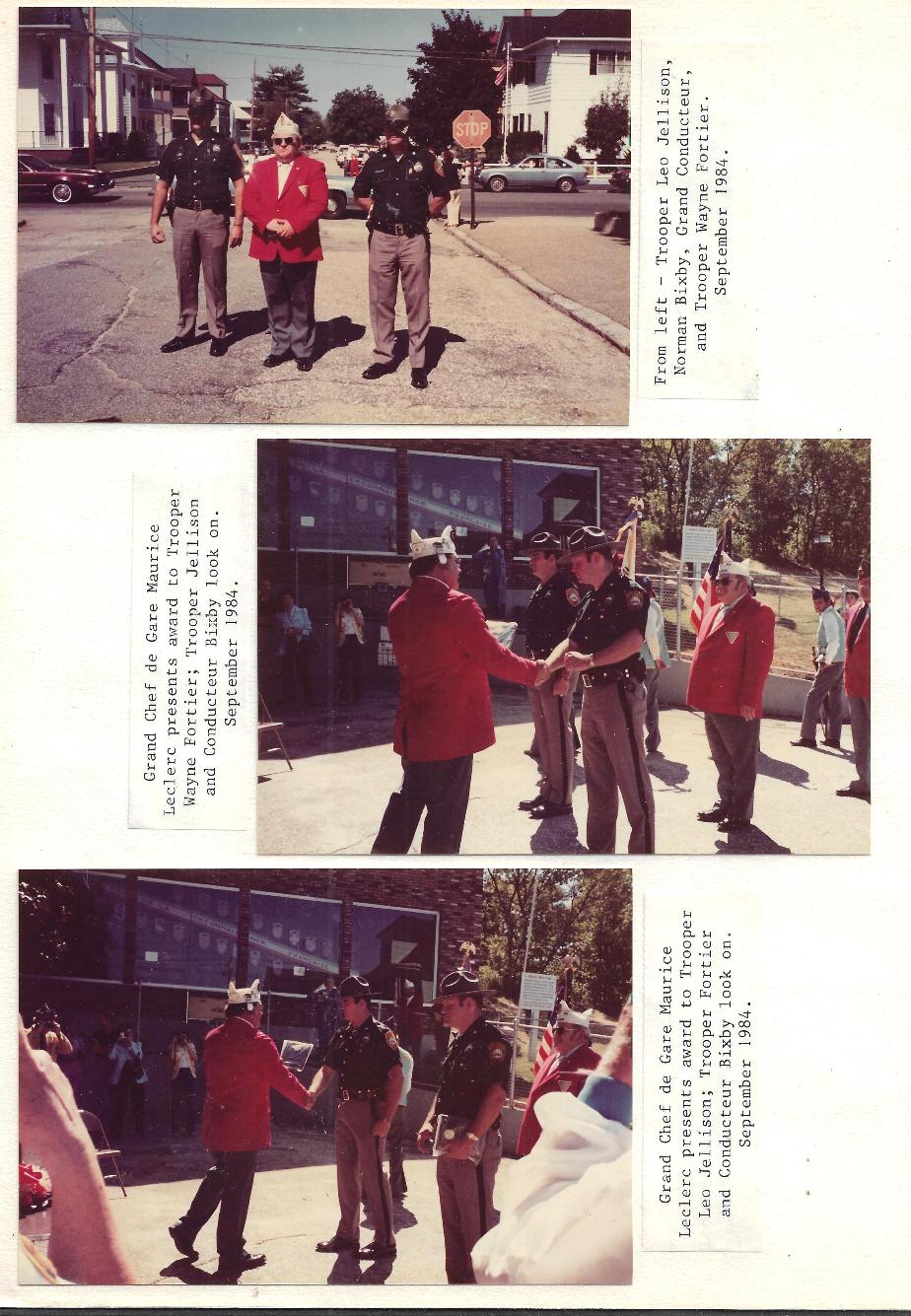
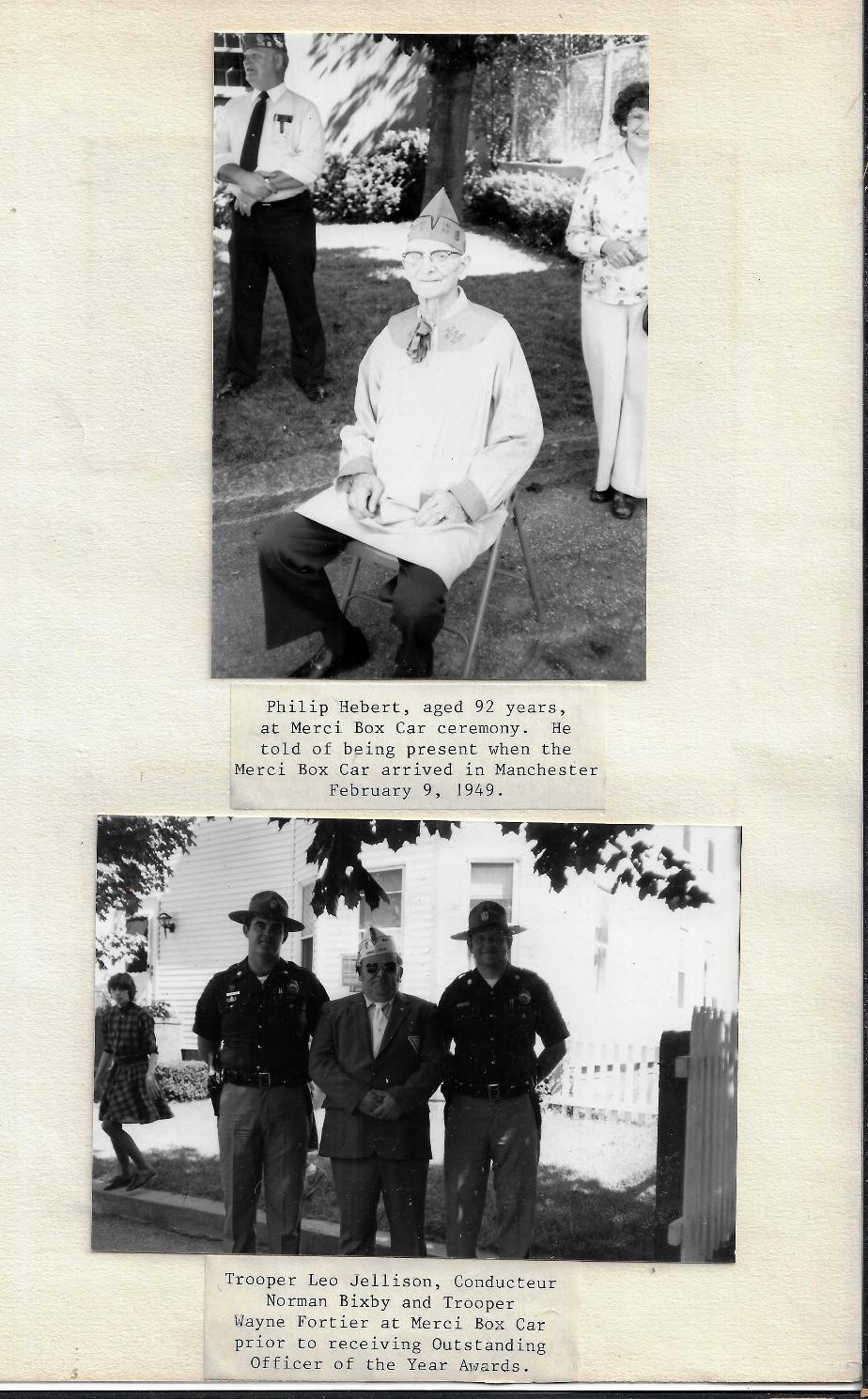
40 & 8 Merci Train - 136 Reed Street - Manchester, New Hampshire
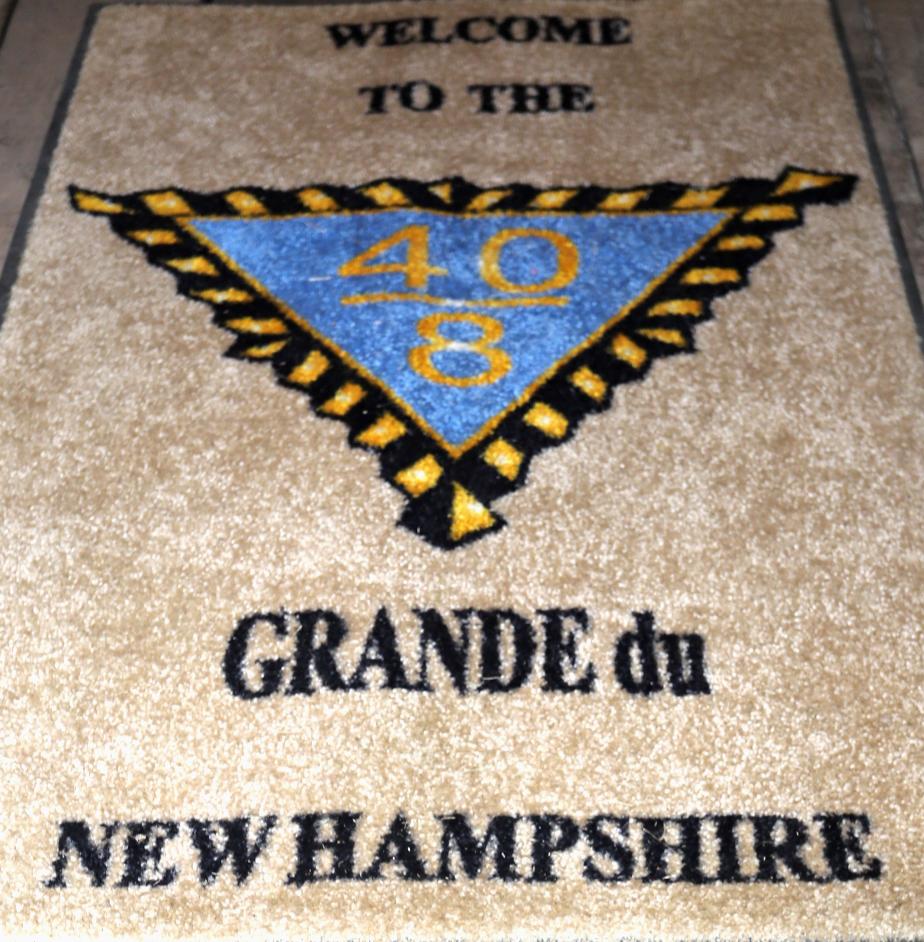
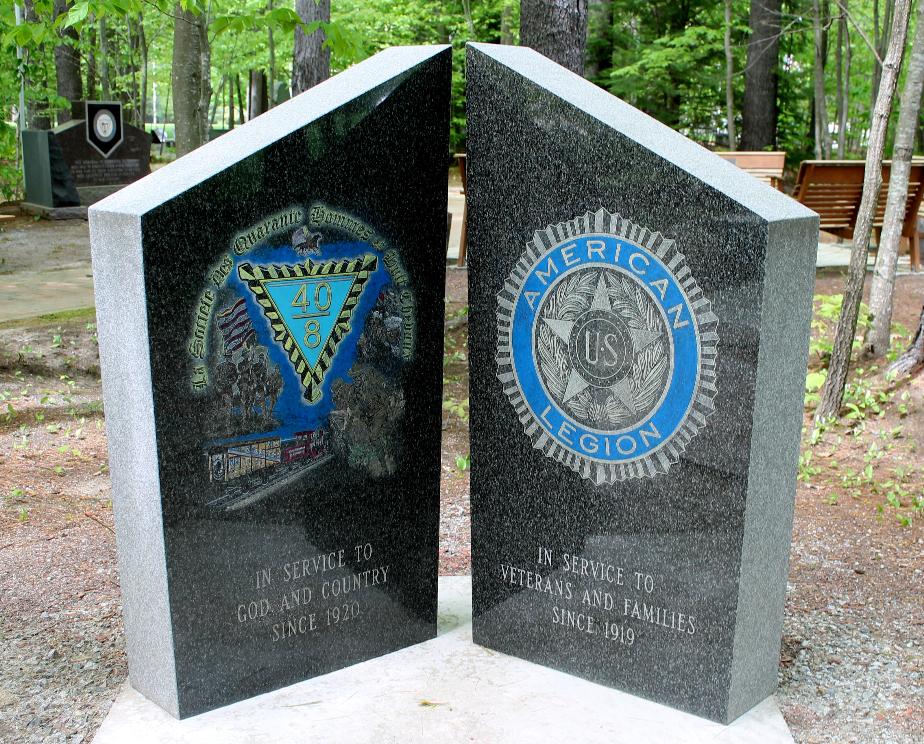
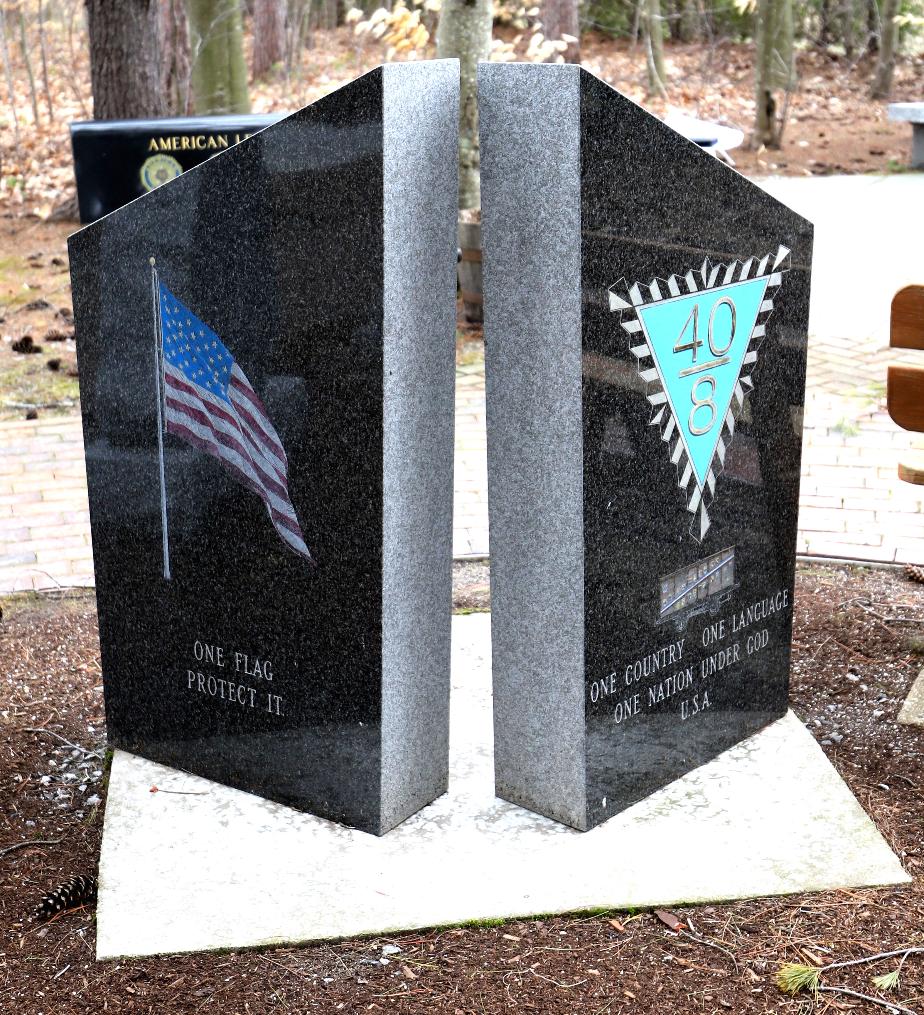
40 & 8 American Legion Monument at the New Hampshire State Veterans Cemetery
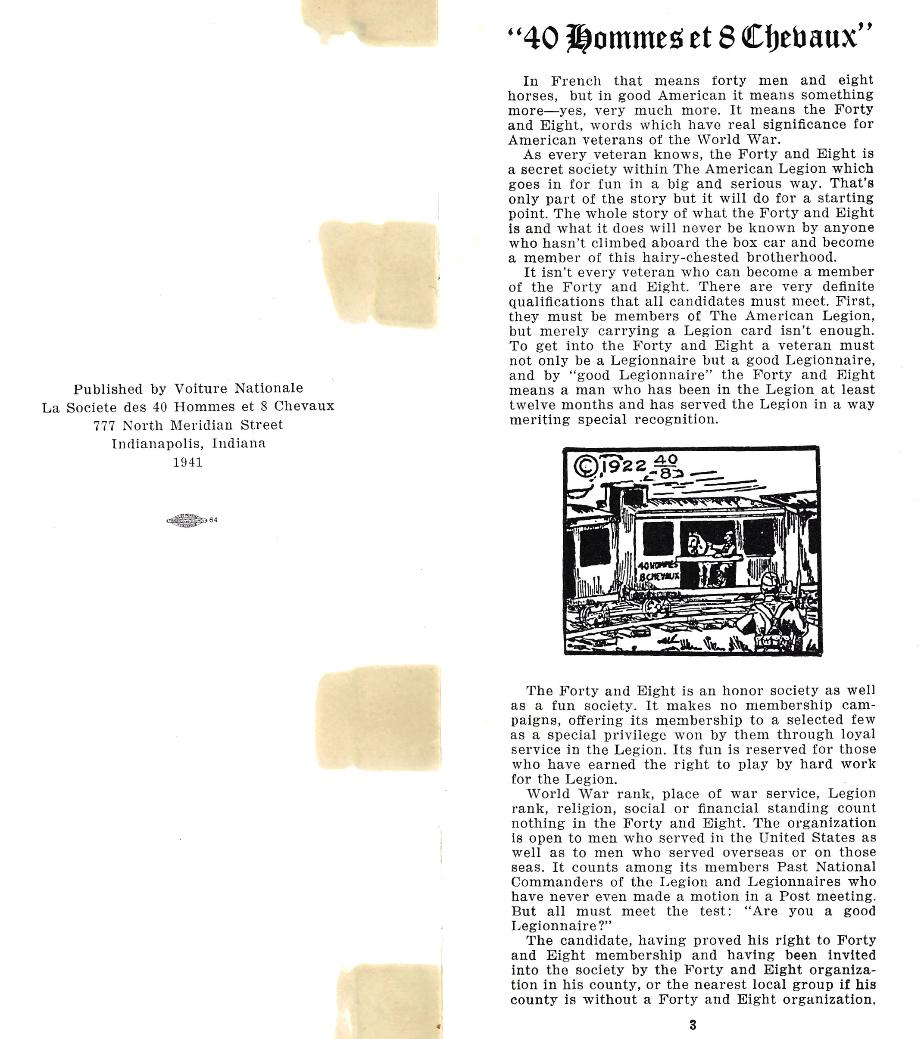
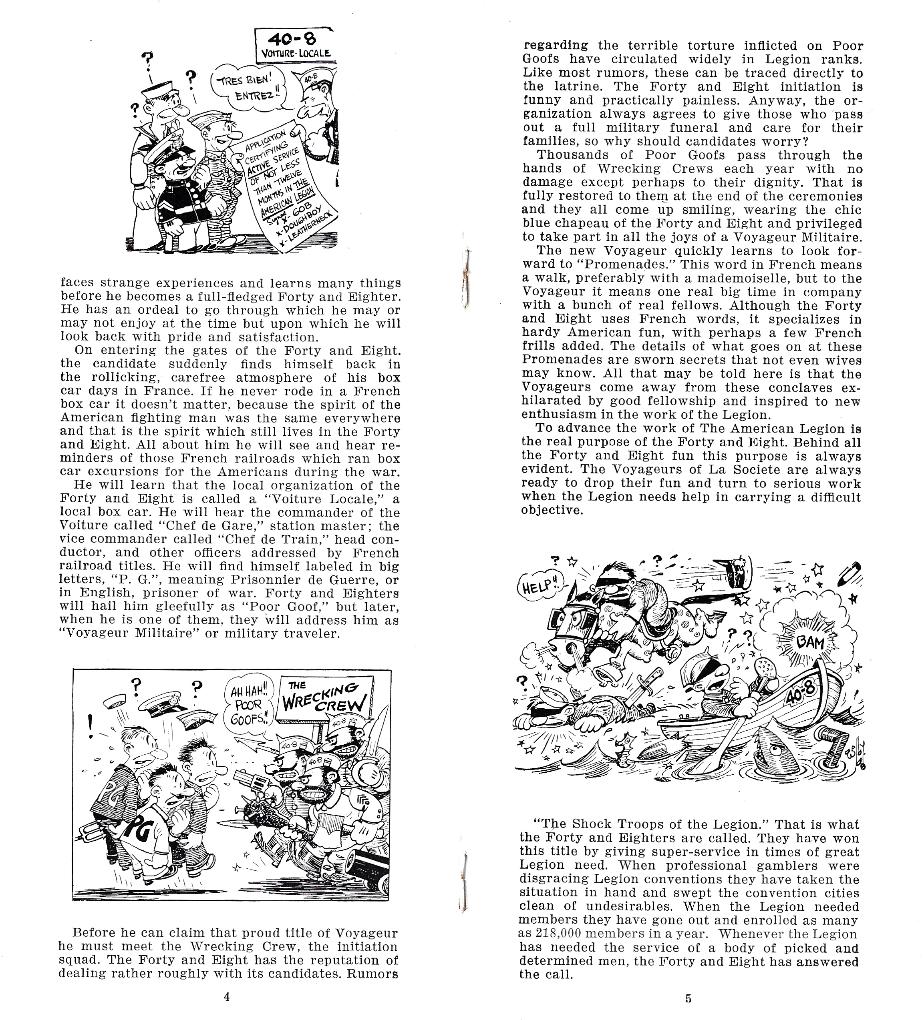
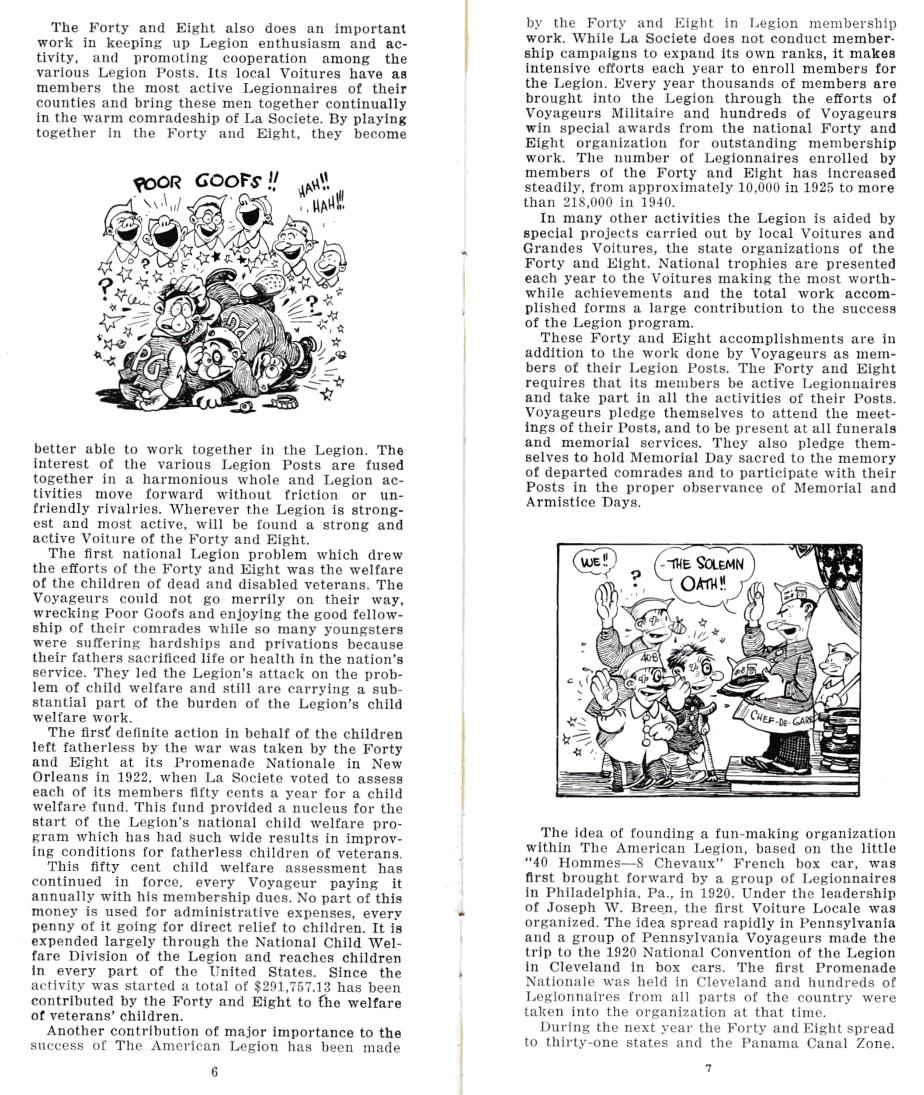
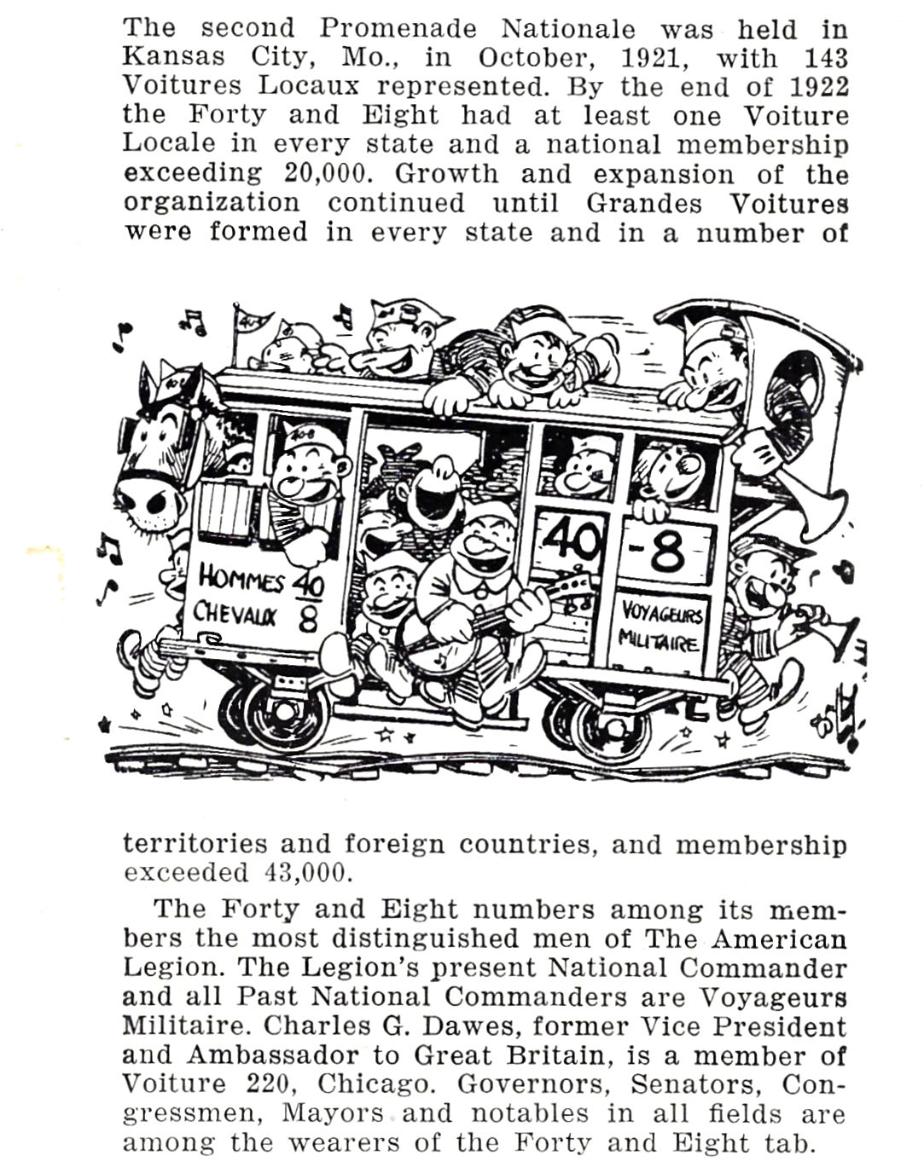
40 & 8 American Legion Information Brochure - 1941
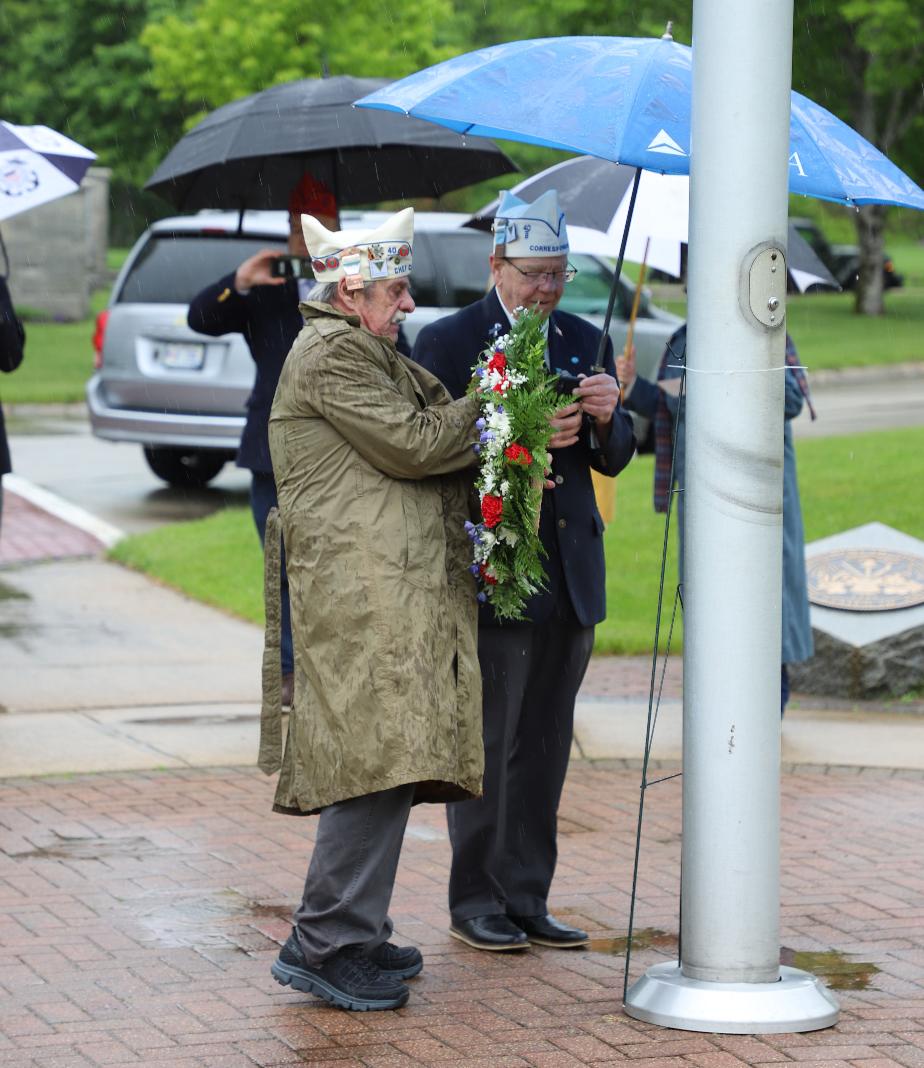
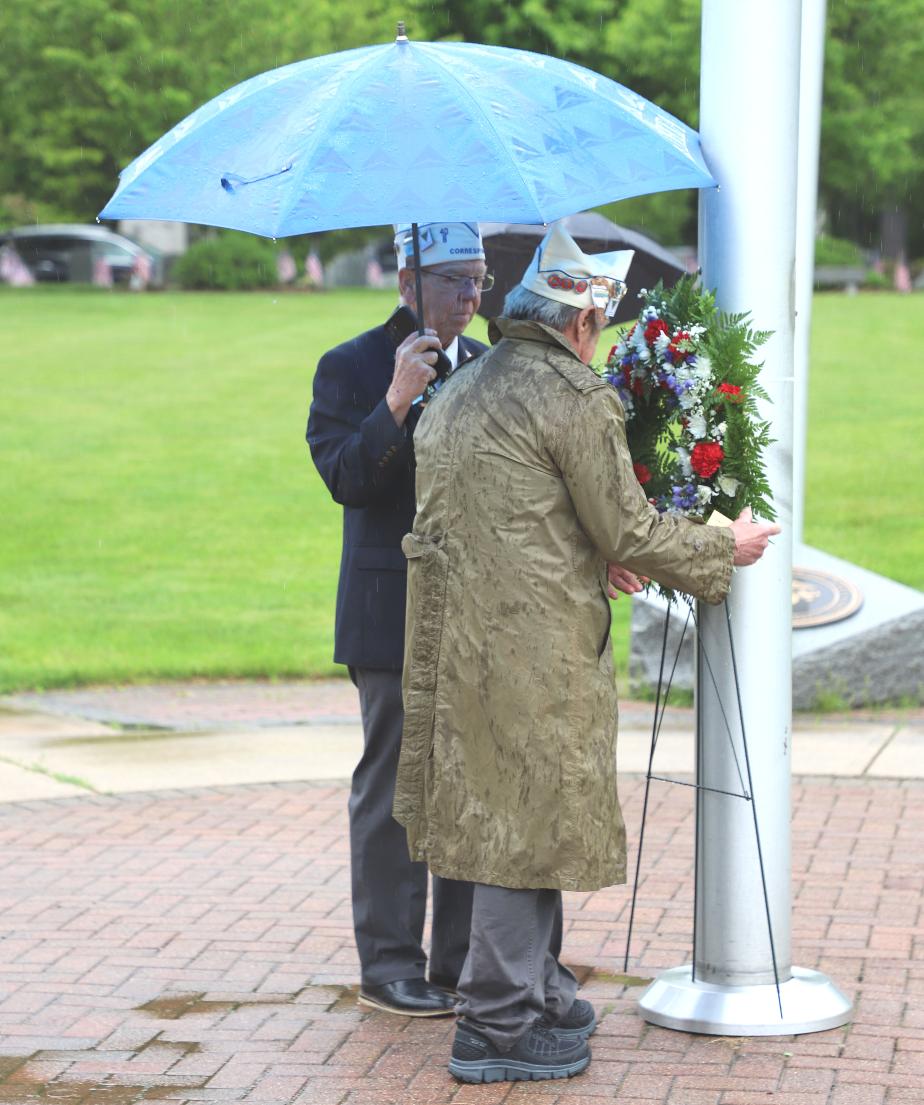
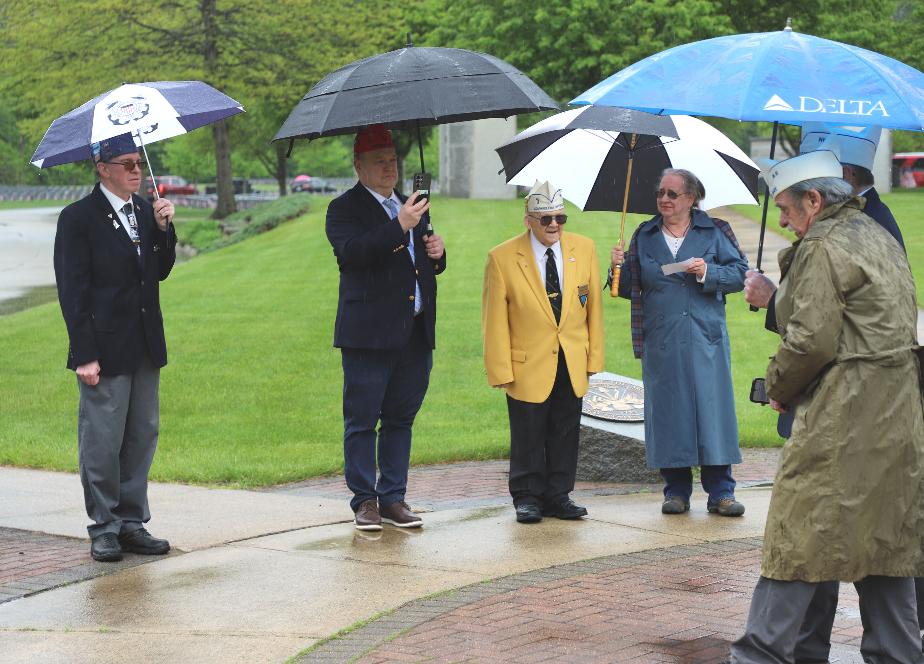
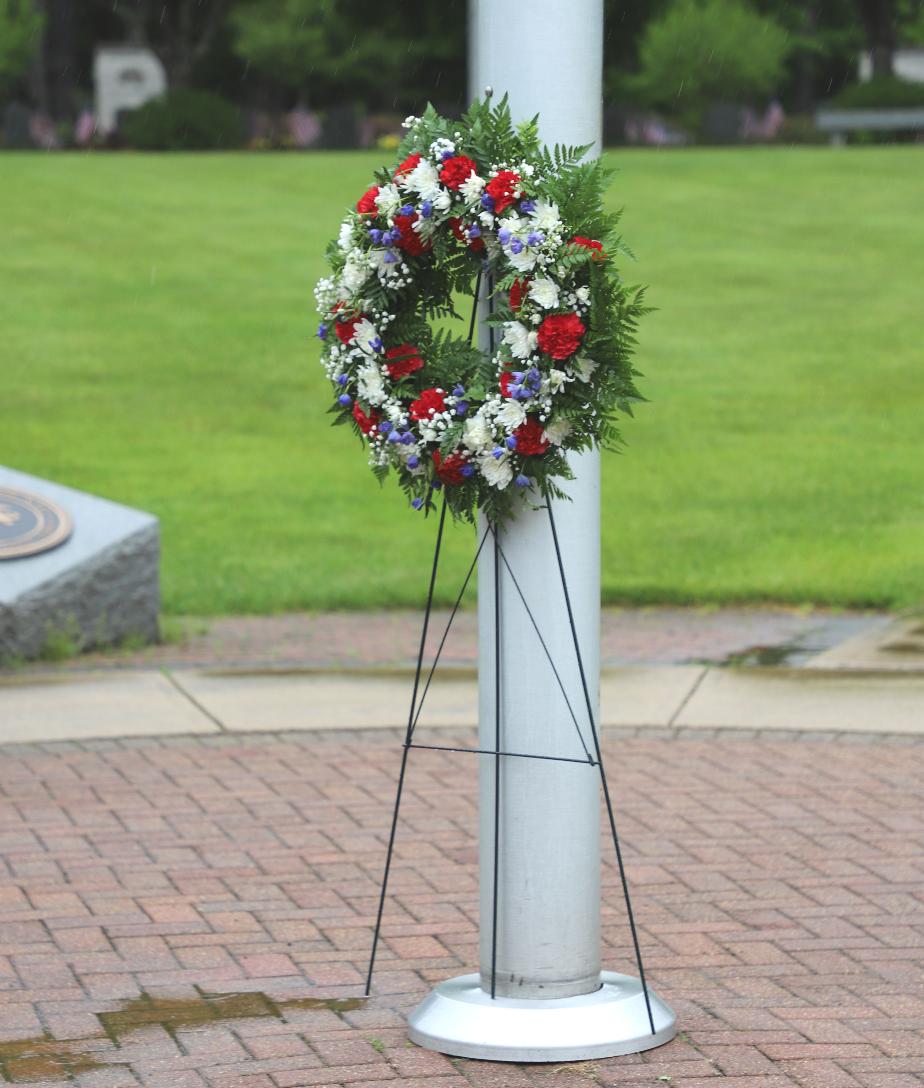
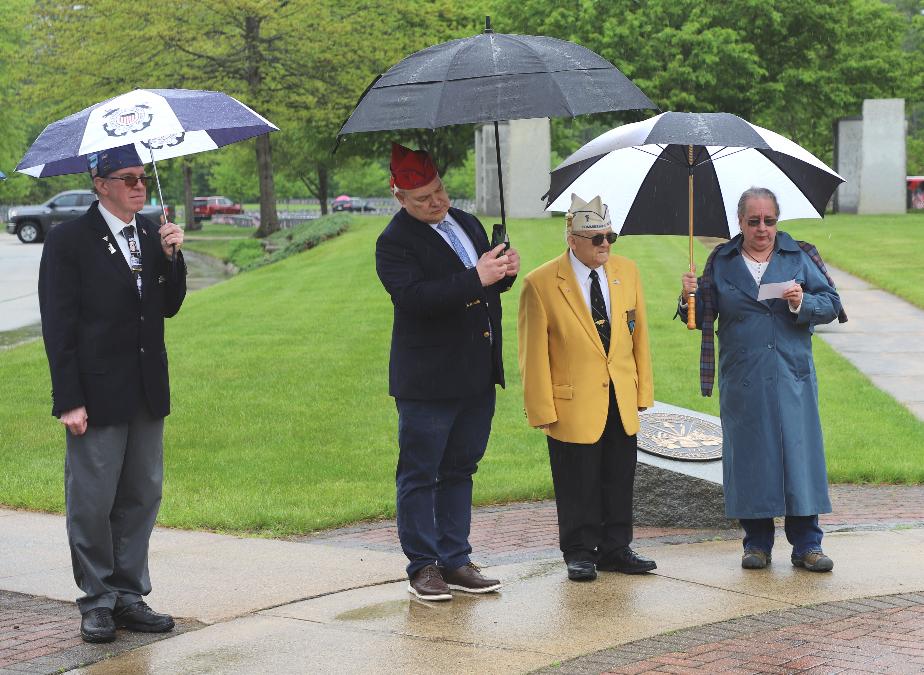
Memorial Day Observation at the New Hampshire State Veterans Cemetery -May 24, 2026
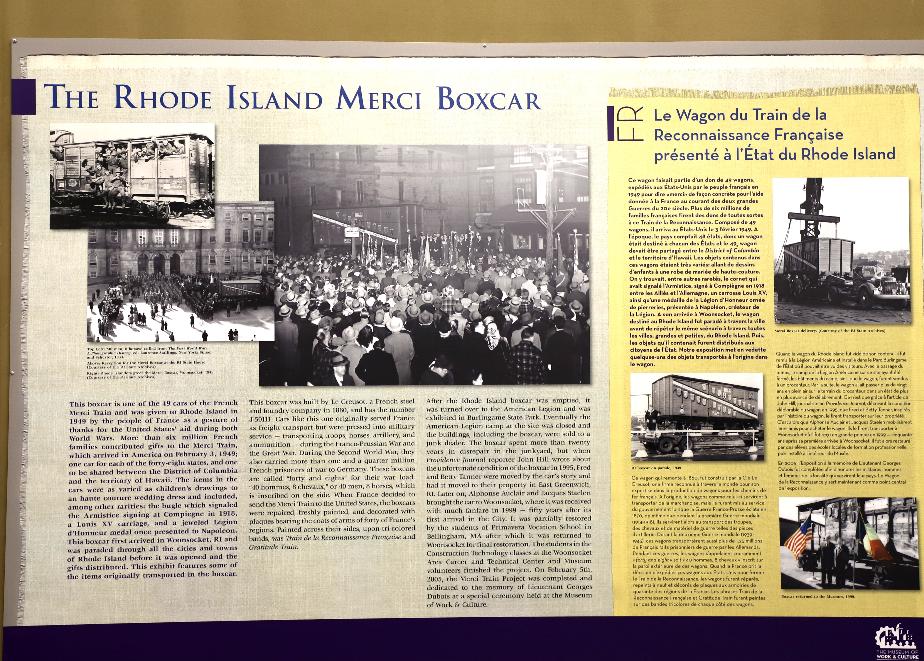
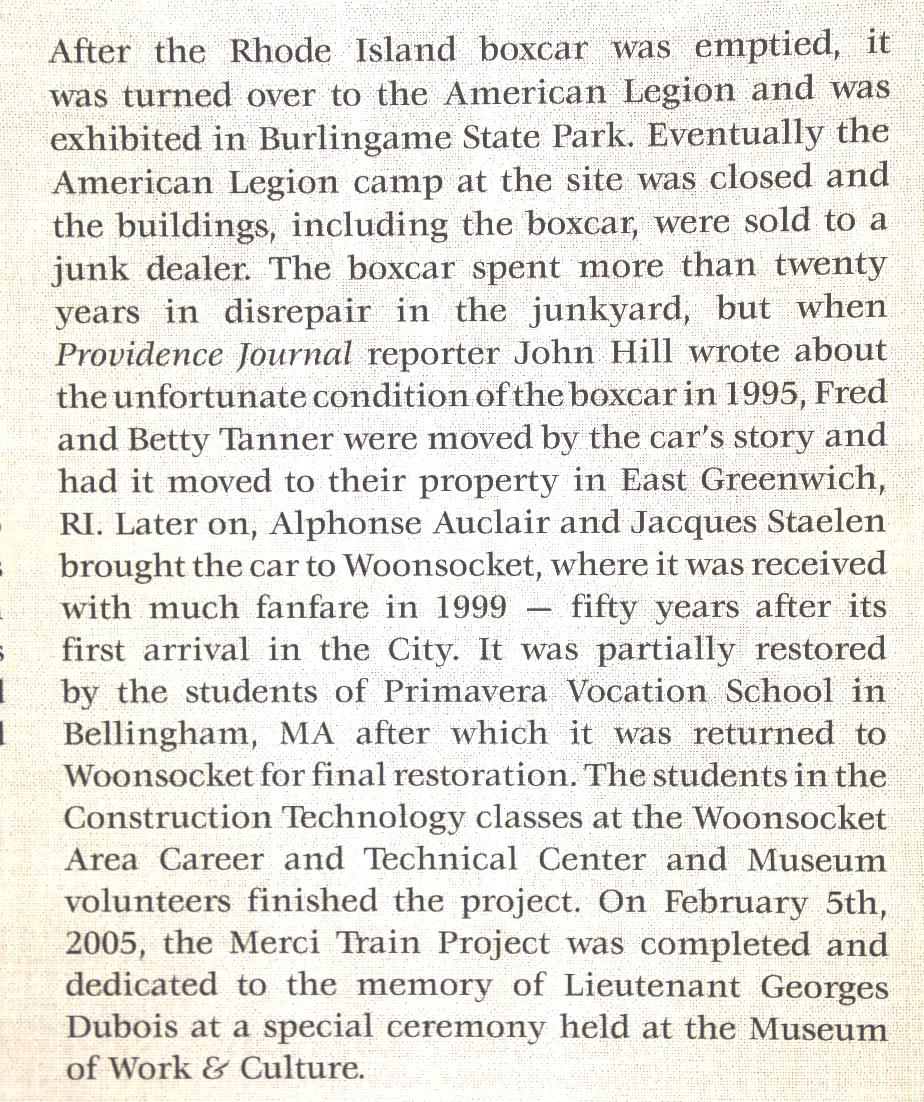
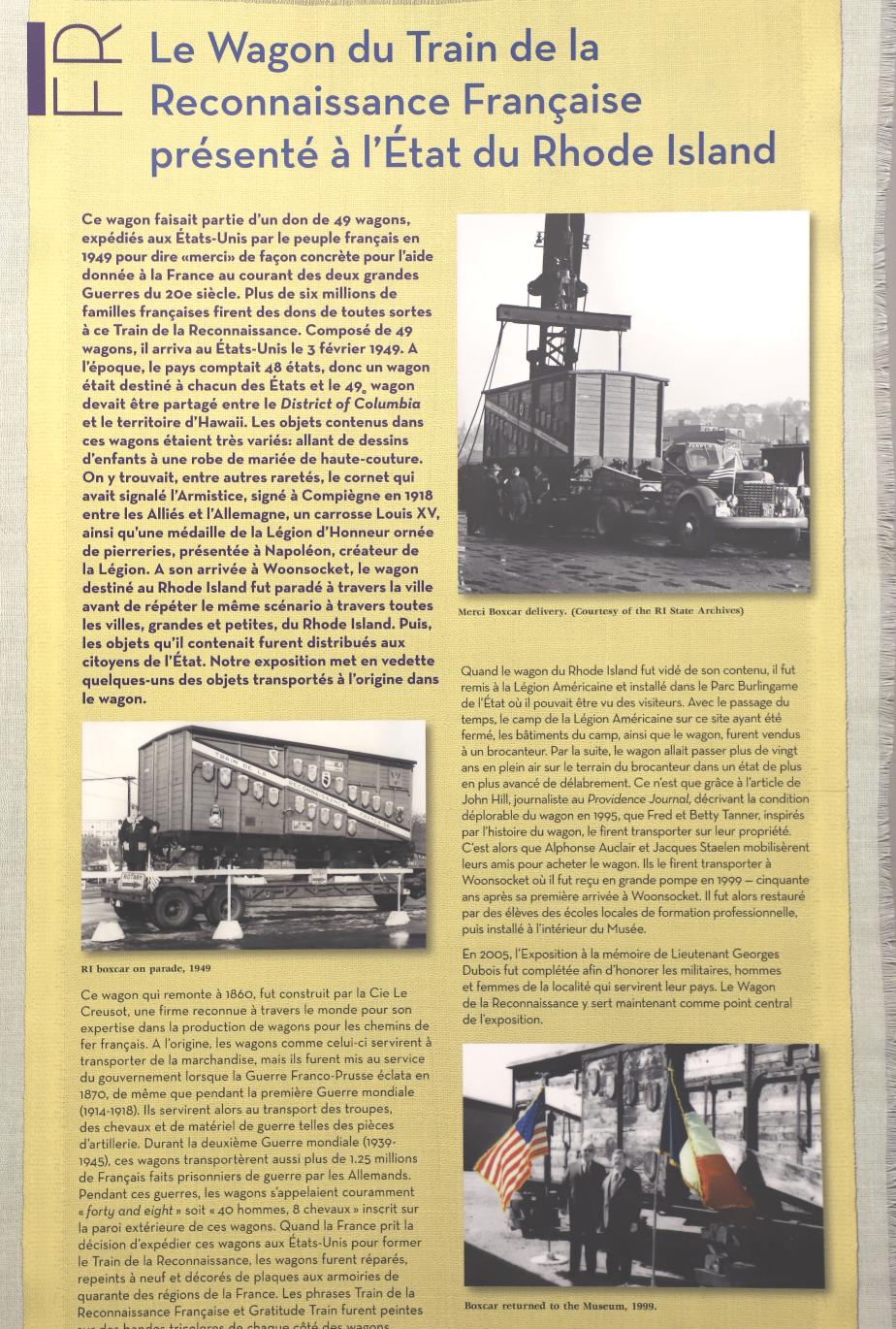
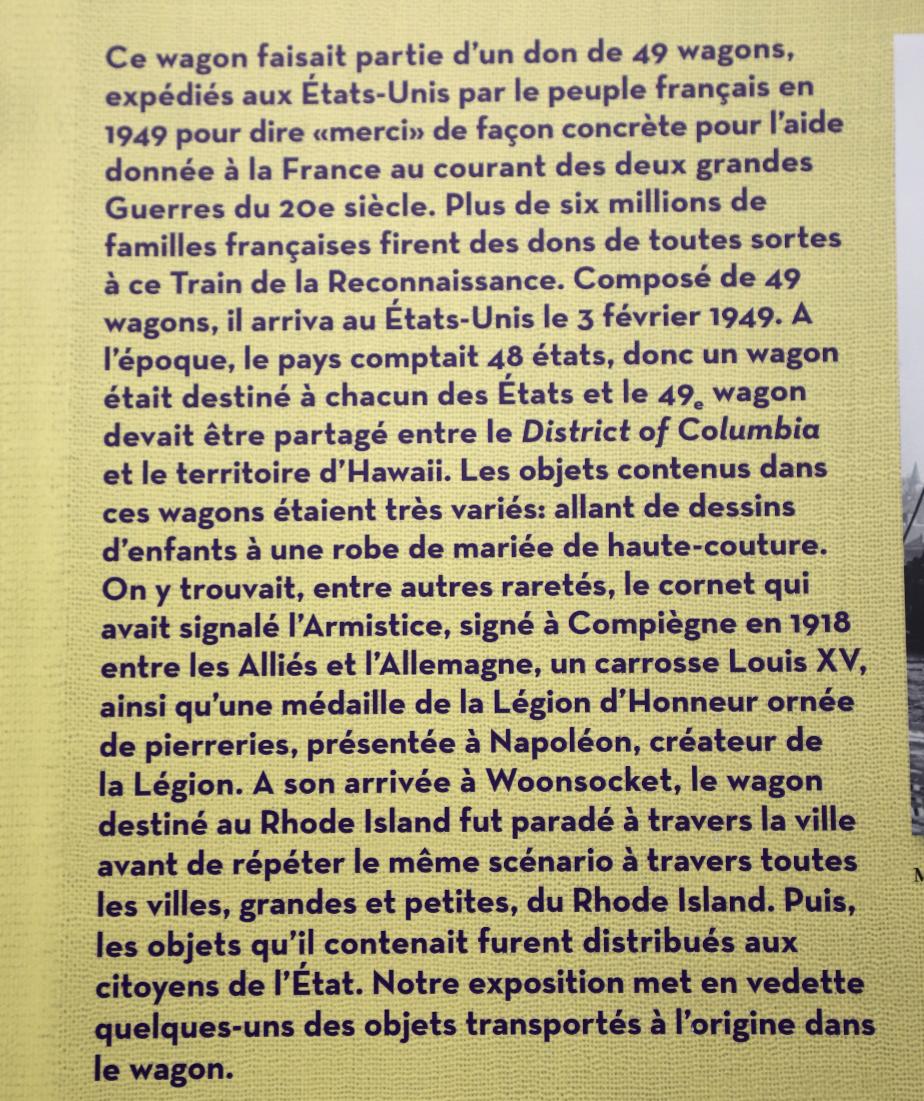
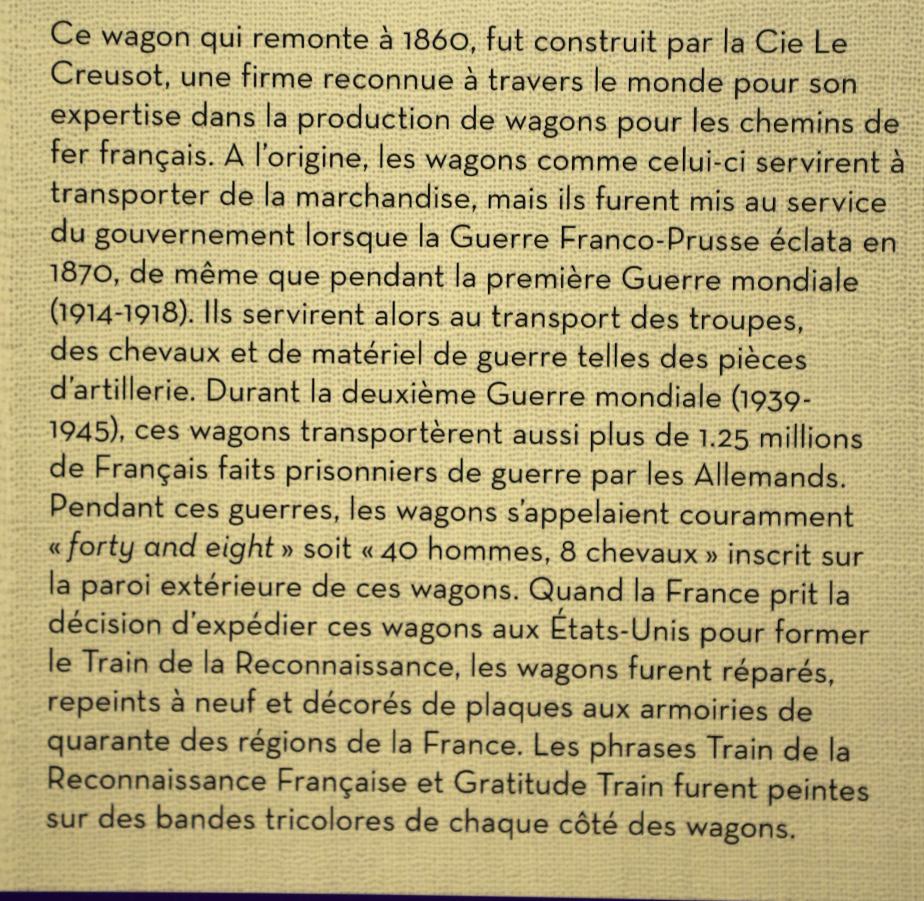
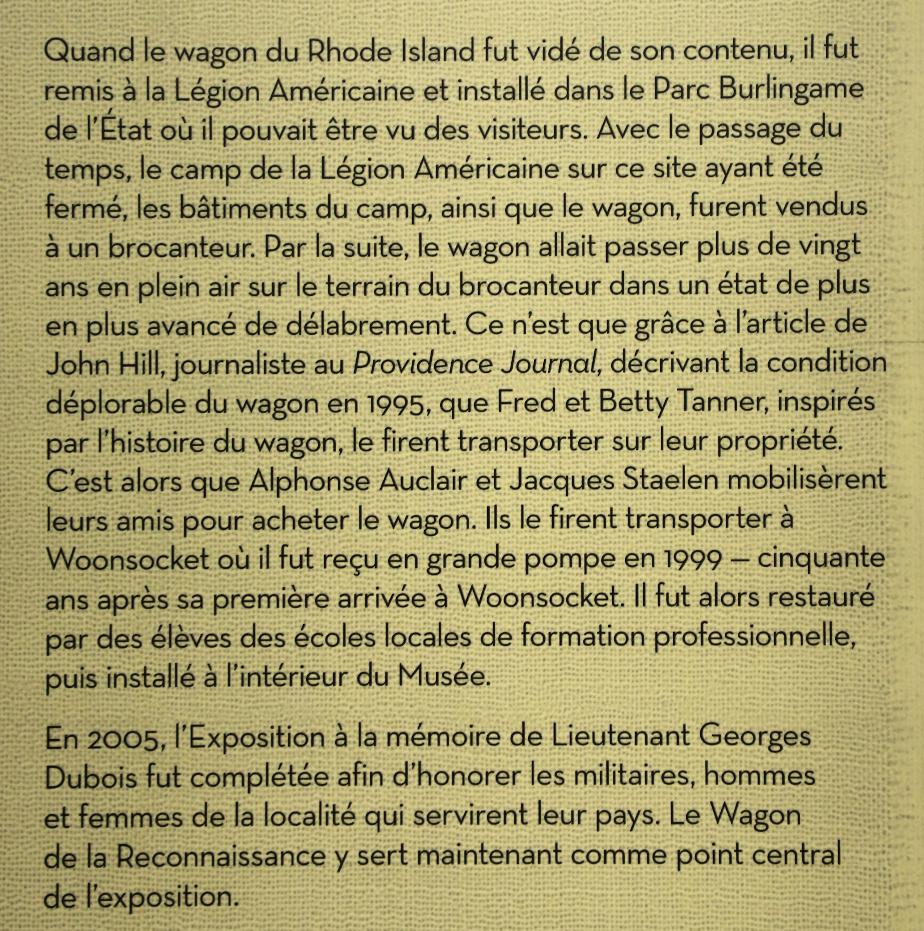
Rhode Island Merci Boxcar - Museum of Work and Culture - Woonsocket, Rhode Island